Transitions across multi-worlds: Experiences of Chinese international doctoral students in STEM fields

Yang, Y., & MacCallum, J. (2022). Transitions across multi-worlds: Experiences of Chinese international doctoral students in STEM fields. Journal of Studies in International Education, 26(5), 535–552. https://doi.org/10.1177/10283153211016266 

Introduction 

Every year Chinese international doctoral students (CIDS) in science, technology, engineering, and mathematics (STEM) make transitions across different worlds in ways that supports achievement in their host community.  

This article reports findings from a longitudinal study investigating holistic experiences of the contemporary generation of STEM CIDS in Australia. Endeavor to reveal both heterogeneity and commonality, this study examined their diverse and challenging experiences to identify factors that facilitate or constrain their successful completion of a PhD abroad. 

The Three-Dimensional Multi-World Conceptual Framework 

For this study, we developed a conceptual framework to accommodate the features of complexity and to allow a holistic understanding of the nature of doing a PhD abroad. In this framework (Figure 1), first we formed a three-dimensional space to accommodate student experiences. Along the three axles are Continuity, Interaction, and Situation. International doctoral students’ experiences were conceptualized as developmental over time, taking things from the past and modifying the quality of the future; interactive, assigning equal rights to both objective and internal conditions in interactions; and situated within the disciplinary, working, and living contexts. 
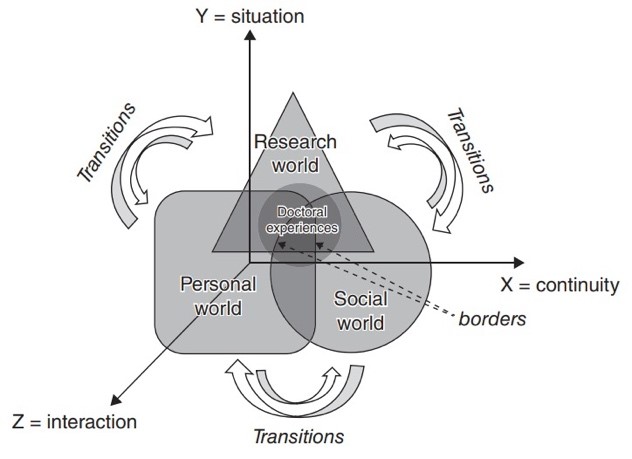
Figure 1. The three-dimensional multi-world conceptual framework 

Within this space we established the students’ multi-world model, including students’ research, personal, and social worlds. The three worlds are interconnected and interplay to co-construct study abroad experiences. Between the worlds, there are overlapping areas as experiential interfaces for transitions across each world to occur and lines in-between as borders that may constrain students’ transitions.  

The Project 

The CIDS Study is a narrative inquiry that involved a 4-year longitudinal study to understand Chinese STEM PhD students’ situated, continuous, and interactive experiences. We adopted narrative as a research approach because it incorporates a range of methodological stances and is agentive in demonstrating how individuals attempt to navigate their life, which suited the purpose of the study.  

There were 38 CIDS participants from STEM fields at eight universities in five states of Australia. All participants were interviewed individually or in focus groups, with 17 followed up for a second interview roughly nine months after the first interview and eight followed up for a third interview. Most of these students had completed their PhD by the conclusion of data collection. 

Congruence/Difference and Transitions Across the Worlds 

The six categories of congruence or difference, and corresponding transitions identified through data analysis were used to structure the findings, though we combined the last two categories to highlight the final complications resulting in a doctoral withdrawal. 

Congruent Worlds and Smooth Transitions 

In this pattern (n=9), students reported their supervisory team and other social relationships as congruent based on the match of key expectations, values, and beliefs across their multi-worlds. The borders between their multi-worlds were almost imperceivable so that they could make transitions with ease. These students were generally satisfied with their study abroad experience by achieving academic success and enjoying social life while doing the PhD abroad. However, experiencing congruence and smoothness did not mean these students had not experienced difficulties, stress, highs, and lows in the PhD; rather, it meant immense bilateral or multilateral investment of time, effort, care, and patience in facilitating transitions, particularly at certain critical turning points, to enable students’ achievement and development. 

Different Worlds and Smooth Transitions 

In this second pattern (n=8), regardless of some critical differences in motivations, expectations, values, and beliefs between students’ multi-worlds, they reported easy transitions across and over time. The differences that created borders between the worlds were distinctive based on individual situations. Nevertheless, it was the empathy to accommodate differences and the respect to the existence of differences from the agents of their multi-worlds that enabled their smooth transitions. 

Congruent Worlds and Border Crossings Managed 

In this pattern (n=9), motivations, expectations, values, beliefs, and actions appeared mostly congruent between an individual’s multi-worlds, but this congruence was created with strong evidence of the performance of personal agency, strategies, skills, and initiatives in managing transitions across perceivable borders. Different from the first pattern that congruence was achieved with smooth transitions or the second pattern that difference remained, students of this third group, facilitated with strong and timely supervisory and peer support, managed to create a shared time and space between their multi-worlds. This sustained them through vicissitudes, sometimes crucial moments, in their PhD abroad. 

Different Worlds and Border Crossings Managed 

In this category (n=9), motivations, expectations, values, beliefs, and actions between students’ research, personal, and social worlds had critical differences, which had profound impact and led to conflicting ideas, attitudes, and behaviors that constrained students’ PhD progress. However, in general, the conflicts were able to be put under control, and the transitions were managed to achieve the PhD. Students of this group were agentic to act, persistent to achieve, resilient and strategic in expanding their small research context to a broader scope. 

Different Worlds and Border Crossings Difficult or Resisted 

In both categories (n=2 and n=1), there were some critical differences in motivations, expectations, values, beliefs, and actions across students’ multi-worlds. Differences led to conflicting ideas, attitudes, and behaviors. While some conflicts remained unsolved, diminished motivations, together with poor rapport and escalated complications constrained transitions and limited students’ achievement. In the fifth category, students adapted to the differences and completed the PhD, but negative emotions and limited output, resulted in both leaving the research world. In the sixth category, the student resisted adapting and dropped out of the PhD program. 

Discussion and conclusion 

Drawing on the three-dimensional multi-world framework, this study found that achieving a PhD abroad was challenging for each participant, but it was the way they experienced the transitions across their multi-worlds that created vast differences in their experiences. The six patterns demonstrated a range of experiences, shedding light on how in some cases STEM CIDS achieved their best outcomes and how in some other cases misunderstandings, frustrations, and severe conflicts occurred. 

Besides persistence, resilience, and resources, agency to communicate, termed agentic communication, along with listening in negotiations between students and their supervisors, was key in supporting or undermining the PhD over time. This study highlights the effectiveness of agentic communication in making or breaking the rapport, trust, and respect in the most significant relationship in an individual’s multi-worlds during the PhD abroad. 

This study revealed that culture might too easily become the scapegoat when we interpret miscommunication or under-communication situations. When doing a PhD abroad, the focus of these students was on achieving the degree and establishing their professional identity, rather than social or cultural integration with the host community. The conflicts or factors that constrained students’ transitions across multi-worlds were often related to their doctoral research rather than culture-related issues per se. When the communication about scientific research went smoothly, positive transitions ensued, or the reverse. 

Given this study identified six patterns of PhD abroad experiences, further research could investigate how different experiences influence students’ post-PhD life and career trajectories and how these students contribute to the society, home, host, or elsewhere in the world, in return for their education received abroad. 

Other works related to this project: 

Yang, Y., & MacCallum, J. (2023). Chinese Students and the Experience of International Doctoral Study in STEM: Using a Multi-World Model to Understand Challenges and Success. Routledge. https://doi.org/10.4324/9781003258841 

Yang, Y., & MacCallum, J. (2022). A three-dimensional multi-world framework for examining cross-cultural experiences of international doctoral students. Studies in Continuing Education, 44(3), 493-509 doi:10.1080/0158037X.2021.1890569 

Yang, Y., Volet, S., & Mansfield, C. (2018). Motivations and influences in Chinese international doctoral students’ decision for STEM study abroad. Educational Studies, 44(3), 264-278. doi:10.1080/03055698.2017.1347498 

Authors’ Bio 
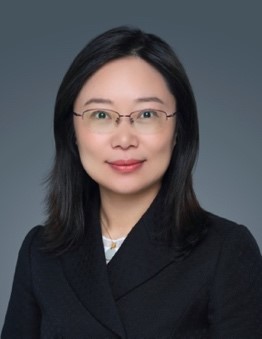
Yibo Yang, Associate Professor, PhD, Deputy Dean for the International Organizations and Global Governance, School of International Studies, Harbin Institute of Technology, China. Her current research interests focus on internationalisation in higher education, international organizations, research methodologies, and academic writing.  

Judith MacCallum, Professor Emerita, PhD, College of Health and Education, Murdoch University, Australia. Her research and teaching interests focus on social interaction for learning and development, with emphasis on motivation, mentoring and professional learning.   

Managing Editor: Xin Fan

Understanding Education Agent Engagement in China

Research highlighted

Dr Pii-Tuulia Nikula (Eastern Institute of Technology)

Education agents play a significant role in facilitating outbound student mobility from China. A new book Student Recruitment Agents in International Higher Education: A Multi-Stakeholder Perspective on Challenges and Best Practices explores the education agent phenomenon. It discusses the many complexities of agent engagement across the globe. The book features 19 chapters of which five are investigating the Chinese context. These contributions offer valuable insights into the views of students and parents as well as evidence of the impact of agents, evaluation of the Chinese regulative landscape and the role of agent key bodies that operate in China.

Two of the chapters in the Student Views section present primary data on Chinese students’ views and experiences. Ying Yang, Jenna Mittelmeier and Miguel Antonio Lim in their chapter “Giving Voices to Chinese International Students using Interpretative Phenomenological Analysis” explore the lived experiences of Chinese postgraduate students when applying to study in the UK, highlighting the value that agents can provide when students navigate the university selection and application processes. The chapter by Yi Leaf Zhang, Meng Xiao and Linda Serra Hagedorn, “Pursuing Higher Education Dreams in the US” presents data from Chinese undergraduate students and their parents when considering opportunities in the United States. They emphasise the critical role that parents play in the selection of an agent/agency. Both chapters discuss the benefits of agent engagement, but also identify various issues, such as student expectations not being met, limited transparency or agents trying to steer students to specific study opportunities. Hence, these chapters improve our understanding of students’ experiences and how agents can both provide and destruct value.

In the Agents’ Value Propositions and Impact section the chapter by Meng Xiao and Linda Serra Hagedorn “Agents and Test Preparation” sheds light into the inner workings of a large education agency offering English language tutoring services in China. A number of education agencies provide a wide array of service of which most focus is usually placed on the counselling and application processes. The chapter adds to this knowledge by offering insights into the organisation of language tutoring services by education agencies. It also presents data to demonstrate the impact of the language tutoring service offered by comparing participants’ English language test scores pre- and post-participation.

In the Government and Regulator Perspectives and Country Studies section two chapters explore the Chinese context. First, Siyan Feng in his chapter “Regulation, Deregulation, and Self-Regulation” evaluates the history and status quo of agent regulation in China. Feng’s chapter discusses the emergence of the special permit system regulating education agencies in 1998, and how it over time became dysfunctional and was discontinued. Feng discusses the new mechanisms of self-regulation and argues that to improve regulation in this area, key stakeholders, such as Chinese policymakers, should improve their knowledge of agents and how they operate. Second, Jon Santangelo in “Client-Agent Dispute Cases” discusses the role of Beijing Overseas Study Service Association (BOSSA) as a professional association of education agencies in China. This chapter provides case study various examples of complaints received from students who have been unsatisfied with their contracted agents’ services and BOSSA’s recommendations. The chapter prompts all students and their families to conduct their own due diligence. It is also recommended that both parties have a clear understanding of their responsibilities and accountabilities.

These chapters allow readers to improve their understanding of the work and impact of agents, how students and parents perceive the value provided by agents, and the past and current status quo of regulation in the Chinese context. Those interested in advancing their knowledge of agents will also benefit from reading chapters discussing other country contexts, including how higher education institutions (HEI) in various countries engage and work with agents. HEI perspectives and practices are critical to understand how HEI contracted agents operating in China are governed, incentivised and managed by their institutional partners. The views of HEI/agent management are equally valuable considering the ambitions of China to become a key destination for international students.

Student Recruitment Agents in International Higher Education: A Multi-Stakeholder Perspective on Challenges and Best Practices discusses a number of benefits and challenges associated with agent engagement. It provides theoretical perspectives and practical applications allowing readers to develop their understanding of the key conceptual issues and emerging trends, such as as the difficulties in defining ‘agents’ and the increasing reliance of mega-aggregators. Hence, the book contributes to a better understanding of wider agent related questions. It provides a good overview of the Chinese education agent context alongside a number of other recent publications (e.g., Yang et al., 2022;  Zhang, 2023). However, further research is needed to explore critical, but under-explored stakeholder views, such as those of policymakers, agent associations and universities/higher education institutions in China.

References

Nikula, P-T., Raimo, V. & West, E. (2023). Student Recruitment Agents in International Higher Education: A Multi-Stakeholder Perspective on Challenges and Best Practices. Routledge. https://www.routledge.com/Student-Recruitment-Agents-in-International-Higher-Education-A-Multi-Stakeholder/Nikula-Raimo-West/p/book/9781032136059#

Yang, Y., Lomer, S., Lim, M. A., & Mittelmeier, J. (2022). A study of Chinese students’ application to UK universities in uncertain times: from the perspective of education agents. Journal of International Students, 12(3), 565-586. https://doi.org/10.32674/jis.v12i3.3777

Zhang, C. (2023). The Legitimacy of Chinese Educational Recruitment Agencies (CERAs): Landscape evolution, policy environment, operating models, identities. Doctoral dissertation. UCL (University College London).

Author’s Bio

Dr Pii-Tuulia Nikula, Eastern Institute of Technology

Dr Pii-Tuulia Nikula is a Principal Academic at Eastern Institute of Technology/Te Pūkenga in New Zealand. Pii-Tuulia’s research covers international education, higher education and organisational sustainability. One of her areas of expertise is education agents. Pii-Tuulia’s articles on education agent management and governance have been published in leading international education and higher education journals. Pii-Tuulia holds editorial roles in Journal of International Students, Higher Education Research & Development, and Higher Education Quarterly. She holds a PhD in Politics and International Relations from the University of Auckland and Master in Social Sciences from the University of Helsinki.

https://www.researchgate.net/profile/Pii-Tuulia-Nikula

Managing Editor: Tong Meng

Governing through ambiguity in the normalizing society: The lesson from Chinese transnational higher education regulation

Research highlighted

Han, X. (2023). Governing through ambiguity in the normalizing society: The lesson from Chinese transnational higher education regulation.  Journal of Education Policy, Online First. DOI: https://doi.org/10.1080/02680939.2023.2210094

The traditional technocratic model in policy analysis features in three dimensions: first, it takes language as the transparent vehicle to facilitate communications between writers and various readers; second, it follows the problem-solving route, considering policy documents as the political responses empirically based upon factual data to existing social problems; third, it considers the participants as disinterested individuals immunizing from the policy impact. Following this empiricist-idealist view of language, scholars are expected to provide neutral data/information for policy-makers to develop/revise solutions to the pre-identified problems, seek authorial intentions hidden behind the policy texts, and proffer interpretations which could generate commensurable meaning among readers. In other words, it equalizes language to a static set of perfect signifiers about the externally constituted world of things, and by so doing sidesteps the contingencies, intricacies, and indeterminacies of policies.

The progress in socio-linguistics directs scholars’ attention to the discourse property of language, and also, policy documents. Discourse, especially for Foucault-inspired critical policy analysts, does more than designate things: it delimits what can be said and thought; it constitutes, produces, and creates, rather than enumerating and describing subjects, objects, and places; it sets the norms to fabricate individuals into the social order, elicits their self-governance as an act of free will, and thus yields human beings into made subjects.

While existing critical studies on making politics visible are cornucopian in demonstrating how power penetrates into every aspect of social life, to institute disciplinary technologies and thus conduct individuals’ conduct, Foucault’s own slide from the terminal stage of discourse—the linguistic elements, may whittle the theory’s potency in explaining the reality, especially when referring to policy research in the broader social science fields including public administration, politics and international relations: if policy discourse functions to convey norms in shaping desirable subjects, its expression should be as precise as possible to be followed. Why could policymakers endure and even encourage equivocalness in policy texts instead of trying to reduce it?

Empirically based upon China’s regulation over transnational higher education (TNHE),  this article draws interdisciplinary prism to highlight the persistent existence of ambiguity in policy documents and its impact on the enacting process. For instance, in authoritarian China, linguistic ambiguity could demonstrate its positive effects: within the context of severe discursive conflict, the equivocal expressions not only mask the incompatible norms setting but also leave negotiation room for creative policy enactment. Specifically, Chinese national policies about TNHE embodies the “curious hybrid of command and market”: on one hand, the introduction of neoliberalism permits the penetration of market logic into the previously state-controlled domain of education when China decides to modernize itself by internationalizing its higher education (HE) system. As a vital and integral part of HE internationalization, TNHE thus gains permission (and encouragement) to develop within Chinese territory; on the other hand, although TNHE itself instantiates the imposition of neoliberal discourse, the authoritarian concern of China to take “the total administration of life”, and its ideological reliance on socialism for moral legitimacy prevent its full embrace of market logic. To ensure the state’s interference into every social aspect, the local officials are  expected to simultaneously facilitate and prevent the penetration of market forces into the TNHE.

It is within this context that clarification in policy documents is considered “managerially sound” but “politically irrational”. The deliberate adoption of ambiguous expressions could not only help to convince readers but also leave negotiating room for policy practitioners to achieve contradictory ends. This is the “positive effect of ambiguity” highlighted by Matland (1995, 158). For example, to mask the market -based inequality in China’s socialist society, the national policies adopt rather ambiguous expressions in regulating the tuition fee setting, which is required to consider the affordability of the students” and to achieve the balance between the charges in public and private universities. So while the tuition fee is calculated and decided by the universities, it must gain approval from local governments before coming into effect.

However, the criteria is riddled with ambiguity, clarifying neither the authoritarian/socialist nor neoliberal norm: the difficulty (or more precisely, impossibility) of quantifying the “affordability” of potential students; the fuzzy measurement of “balancing between public and private universities”—especially when considering what the Deputy Director from Y Provincial Government frankly states: “TNHE in China is legally regulated by the Non-state (private) Education Promotion Law, so it is unclear how to balance the charge…”; and the obscuring gauge in calculating the cultivating cost of students, “there is no simple criteria in deciding the faculty salaries in TNHE (compared with Chinese public universities)…most of the time they have to make a better offer (based on the qualification and the faculty’s former pay level) for introducing talents” (2017). These ambiguous statements, on the other hand, permit flexibility for local officials when enacting national policies. As he continues to say candidly: “The tuition fee set by the TNHE (especially Sino-foreign cooperation universities) is relatively autonomous, and we always permit their application for the charge”. Such support and permission are based on the local officials’ understanding of market logic, as he explains: “They are running the TNHE in the market… students have a lot of choices—studying physically abroad, applying to other programs/colleges/universities, or enrolling in other Chinese universities…the setting of charge has already been monitored and modified by the market” (2019).

When the imposition of law in population regulation has been gradually replaced by its calculated practice of directing categories of social agents, the individuals are seemingly permitted to act “freely and proactively”. However, the Chinese local officials’ creativity and innovation in flexibly enacting national policies have never been “in a position of exteriority to power”, but ending up enforcing and intensifying the existing power relations—the authoritarian control in China as they boost the development of TNHE and thus prove the “rightness” of China’s political control. This strategic and invisible operation of power deserves scholarly attention for how it objectifies and subjectifies human beings.

Authors’ Bio

Dr. Xiao Han,
Tianjin University

Dr Xiao HAN earned her B.A. (Economics) from Jilin University and Ph.D (Education) from the Education University of Hong Kong. She worked for two years as a postdoctoral fellow at Lingnan University and then took the position of Beiyang associate professor at the School of Education, Tianjin University. She will take the position of assistant professor at the Department of International Education, Education University of Hong Kong soon. Her research is trans-disciplinary-based, focusing on critical policy analysis, international/transnational higher education, and Foucault/Bourdieu studies. Her works have been published in international journals such as Journal of Education Policy, Higher Education, and Policy and Society. She can be contacted at: hanxiao0309@hotmail.com.

Managing editor: Xin Fan

Mobility Repertoires: How Chinese Overseas Students Overcame Pandemic-Induced Immobility

Liu, Jiaqi M., and Rui Jie Peng. 2023. “Mobility Repertoires: How Chinese Overseas Students Overcame Pandemic-Induced Immobility.” International Migration Review, Online First. https://doi.org/10.1177/01979183231170835.

The COVID-19 pandemic brought the world to a near standstill. The burgeoning field of immobility studies provides a fitting framework to account for this mode of involuntary immobility caused by diminished migration capabilities. But we found that immobility studies often focus on a given (im)mobility status, paying insufficient attention to how people traverse different (im)mobility categories. Moreover, the empirical scope of immobility studies is often confined within sending societies, overlooking migrants who have finished initial emigration but face dwindling capabilities of staying in host countries or returning to their home countries. In this recently published article at International Migration Review, we adopt the immobility lens to systematically analyze how international student mobility (ISM) may be compromised or restored.

Under the influence of the “mobilities paradigm”, ISM studies tend to highlight elements of flux and fluidity that stimulate mobility in global education, including the commercialization of Western universities, the diffusion of neoliberal labor policies, and the brokerage by commercial intermediaries. Yet this mobility-focused ISM literature risks losing sight of international students’ recurrent conditions of immobility, whether desired or involuntary. In this article, we address this deep-seated “mobility bias” in the ISM literature by examining how Chinese students in the United States became immobile during the COVID-19 pandemic and how they utilized varied repertoires to retrieve mobility.

This article pushes pushes ISM studies beyond the prevailing “mobilities paradigm” and refocuses on structural constraints that shape student immobility, especially the oft-neglected role of homeland state policies. ISM policies, as we show, are not only characterized by neoliberalism and de-regulation but can also exert far-reaching immobilizing impacts on international students and guard nation-states’ membership and sovereignty boundaries.

Methods

We conducted a case study of Chinese students in the United States during the COVID-19 pandemic. First, we examine migration policies and public discourses in both China and the United States to highlight the immobilizing mechanisms that shaped student migrants’ perceptions of diminished mobility. Specifically, we extracted and examined over thirty pandemic-related policies and public statements made between January 2020 and May 2022 from eight Chinese and US government agencies, including the Civil Aviation Administration of China, the Chinese Embassy in the United States, the US State Department, and the White House.

Second, we conducted semi-structured interviews between January and February 2022 to further analyze how Chinese students abroad made sense of and responded to mobility transitions. Interviewees were Chinese overseas students who pursued bachelor’s, master’s, or Ph.D. degrees during 2020-2021 in seven public and private universities across the United States. We combined purposive sampling and snowball sampling to recruit in total 20 interviewees distributed relatively evenly across gender, degree levels, and fields of study, and socio-economic statuses.

In data analysis, we used abductive coding methods and developed three levels of codes, including sources of immobility, students’ experiences, and their specific feelings and actions. We found that interviewees tried to overcome immobility by returning to China or staying put in the United States.

Findings

Our findings are twofold. First, during the pandemic, China imposed restrictive travel policies, while the public discourses unfavorably generalized returning overseas students as ungrateful, spoiled, and even contaminated. These dynamics made it extremely difficult for Chinese overseas students to return. Furthermore, US travel and visa policies, especially those targeted at Chinese students suspected of the so-called “espionage activities”, also elevated uncertainties regarding reentering and staying in the United States. The political crossfire amid Sino-US tension, coupled with rising sinophobic violence in the United States, also made Chinese overseas students feel unwelcome in the host society and heightened their immobility restrictions. They experience the dilemma of being unable to return to the homeland and simultaneously stranded in a hostile host society, which pushed this previously highly mobile population into immobility.

Second, drawing on in-depth interviews, we discover that Chinese overseas students deployed four sets of tools – online crowdsourcing, virtual intermediary, temporal adaptation, and institutional cushioning – to reclaim mobility.  They deployed the first two mobility repertoires to navigate China’s opaque, burdensome return procedures by leveraging online social media to crowdsource knowledge and expand social networks to achieve a successful return. The latter two mobility repertoires focused on making cognitive adaptations for career and life plans and using university resources to transform immobility into active staying aimed at gaining legal status to transition into the US labor market and society and achieving long-term mobility in the host society. We thus proposed the concept of “mobility repertoires” to capture student migrants’ agential power in navigating unfavorable (im)mobility shifts and carving out new mobility tactics by mobilizing a plethora of resources, techniques, instruments, and infrastructures.

Author’s bio

Rui Jie Peng, Assistant Professor of Sociology at Lafayette College

Rui Jie Peng is an Assistant Professor of Sociology at Lafayette College, Pennsylvania. Her research interests include migration, labor, gender, race and ethnicity, and political and transnational sociology. Rui Jie’s current book project is an ethnography of the understudied ethnic Qiang women and their labor practices in a migrant-sending community in Sichuan Province, China. This work offers a new perspective on how China’s pursuit of modernization and global competitiveness capitalizes on ethnic women’s gendered labor in marginalized communities, creates and reinforces gendered and ethnicized differences, and entrenches precarity for ethnic migrants in urban labor markets.

Jiaqi Liu, Ph.D. candidate at the University of California San Diego

Jiaqi Liu is an incoming Assistant Professor of Sociology at Singapore Management University and Postdoctoral Associate at Princeton University. His research lies at the intersection of political sociology, international migration, law, human rights, digital technologies, and Global China. With a focus on China and Chinese diasporas, Liu examines how global migration reshapes the state’s political power over its territory and population. His work has received five Best Article Awards or Honorable Mentions from the American Sociological Association sections on International Migration (twice), Political Sociology, and Human Rights. Liu also holds a Juris Doctor degree from the University of Arizona and Master of International Affairs degree from Sciences Po Paris.

Managing Editor: Tong Meng

Coping Strategies of Failing International Medical Students in Two Chinese Universities: A Qualitative Study

Jiang, Q., Yuen, M., & Horta, H. (2023). Coping Strategies of Failing International Medical Students in Two Chinese Universities: A Qualitative Study. Teaching and learning in medicine, 1–11. https://doi.org/10.1080/10401334.2023.2204077

Introduction

A large number of international medical students are enrolled in Bachelor of Medicine and Bachelor of Surgery (MBBS) programmes in China. The overwhelming majority of these students are from low-income countries in Asia and Africa and are self-supported. These students expend substantial personal and financial effort to come to China to become medical doctors and to contribute to the healthcare workforce in their home countries. However, little is known about their educational success as international students attending Chinese universities. Even less is known about how international medical students who initially fail courses in Chinese medical universities manage to subsequently achieve academic success. Therefore, we explored the coping strategies adopted by international medical students after they fail exams during MBBS training. 

Research methods

This qualitative study was set in two Chinese medical universities in Jiangsu province, China. We adopted a purposive sampling method and interviewed international medical students who had a record of failing courses but successfully passing make-up exams and re-sits. A total of 21 international students from developing countries in Asia and Africa were recruited. Semi-structured face-to-face and virtual (due to the COVID-19 pandemic) interviews were conducted with these students. During the interviews, we encouraged the participants to describe the difficulties they experienced in their courses, the academic challenges they faced, and how they coped with and then overcame the experience of failing initial exams. A thematic analysis approach was adopted to analyse the interview data. 

Findings 

After failing initial exams, the international medical students in the sample adopted seven coping strategies to help them pass future examinations and recover their academic success: (i) increased help-seeking behaviours; (ii) improved learning motivation and attitudes; (iii) improved learning strategies; (iv) improved exam preparation; (v) utilised library resources; (vi) enhanced time management; and (vii) enhanced English language skills. Of these seven strategies, seeking the help of friends, peers, seniors, and teachers was the strategy reported most frequently. 

Discussion

We found that failing international medical students are not necessarily passive or lazy learners (as they may commonly be perceived); in fact, they demonstrated resilience and agency to cope with failure. The coping strategies applied by the participants in our study were consistent with the findings of others studies: effective learning strategies and exam preparation (Bin Abdulrahman et al., 2021), social support (Todres et al., 2012), intrinsic learning motivation (Hayat et al., 2018; Wu et al., 2020), the utilisation of campus resources (Banjong, 2015), efficient time management (Foong et al., 2022), and adequate English skills (Su & Harrison, 2016). 

However, unlike other studies that found that failing medical students often fail to seek help from their institutions or peers, the participants in our study reported proactively initiating help-seeking behaviours after failing exams. There are several possible reasons for these different findings. First, the university staff in the establishments in this study may be approachable and willing to help the students. The participants did not mention institutional efforts to proactively support relationship formation and mentorship or institutional support to overcome exam failure, but some mentioned that a few teachers tried to help them as much as possible. Another explanation for the students’ proactive help-seeking behaviour may be the international students’ own cultures. Many South Asian, Southeast Asian, and African cultures are strongly rooted in close social mutual support and interaction (Rabbi & Canagorajah, 2021), and this may have played a positive role in promoting proactive help-seeking behaviours and positive responses from peers, teachers, and seniors. The help-seeking behaviours may also be due in part to the fact that in China, international students in MBBS programmes live and study together in collective learning communities for up to 6 years. Daily interactions with peers, seniors, teachers, and student administrators may foster trust and support among them, making students more willing to seek support and help from these sources. This setup may create a strong sense of community, where teachers, seniors, students perceived as academically successful, and others may serve as role models and mentors for international students, advising and actively supporting them in overcoming exam failure (Arthur, 2017). Another possible reason is that intense academic or career competition may not occur among these students, as they will ultimately leave China and return to their home countries to take local licensing exams or even migrate to a third country.

Social support, particularly seeking help from immediate friends, was stressed by the participants as an aspect of all seven of the coping strategies identified in this study. This highlights the vital role that social support plays in helping international medical students (and likely other international students) with their academic performance (Sandars et al., 2014). A supportive environment that fosters students’ relationships with their peers and teachers can be a positive ‘hidden curriculum’ that is conducive to learning (Sandars et al., 2014). An important finding is the medical students’ use of peer-assisted learning in the form of group study, along with occasional individual tutoring, which has been recognised in the literature as a useful method adopted by students to overcome academic problems (Brierley et al. 2022).

Conclusion

Chinese medical institutions may wish to recognise the resilience and agency of failing international medical students and make positive changes to help them achieve academic success. Institutional efforts could be made to develop contextualised intervention plans that stimulate students’ learning motivation and encourage them to adopt self-help strategies by making useful resources (e.g., help from peers, seniors, and teachers) available. To pre-empt the problem, enrolment could become more selective and could integrate specific English language proficiency criteria, interviews, and entrance exams. Although many international medical students demonstrate resilience and agency, some failing students may require academic remediation.

References

Arthur, N. (2017). Supporting international students through strengthening their social resources. Studies in Higher Education42(5), 887–894. https://doi.org/10.1080/03075079.2017.1293876

Banjong, D. N. (2015). International students’ enhanced academic performance: Effects of campus resources. Journal of International Students5(2), 132–142. https://doi.org/10.32674/jis.v5i2.430

Bin Abdulrahman, K. A., Khalaf, A. M., Bin Abbas, F. B., & Alanazi, O. T. (2021). Study habits of highly effective medical students. Advances in Medical Education and Practice12, 627–633. https://doi.org/10.2147/AMEP.S309535

Brierley, C., Ellis, L., & Reid, E. R. (2022). Peer-assisted learning in medical education: A systematic review and meta-analysis. Medical Education56(4), 365–373. https://doi.org/10.1111/medu.14672

Foong, C. C., Bashir Ghouse, N. L., Lye, A. J., Pallath, V., Hong, W.-H., & Vadivelu, J. (2022). Differences between high- and low-achieving pre-clinical medical students: a qualitative instrumental case study from a theory of action perspective. Annals of Medicine54(1), 195–210. https://doi.org/10.1080/07853890.2021.1967440

Hayat, A. A., Salehi, A., & Kojuri, J. (2018). Medical student’s academic performance: The role of academic emotions and motivation. Journal of Advances in Medical Education & Professionalism6(4), 168–175.

Rabbi, S., & Canagarajah, S. (2021). Cosmopolitanism and plurilingual traditions: Learning from South Asian and Southern African practices of intercultural communication. In The Routledge Handbook of Plurilingual Language Education (pp. 82-95). Taylor and Francis. https://doi.org/10.4324/9781351002783-6

Sandars, J., Patel, R., Steele, H., McAreavey, M., & Association for Medical Education Europe. (2014). Developmental student support in undergraduate medical education: AMEE Guide No. 92. Medical Teacher36(12), 1015–1026. https://doi.org/10.3109/0142159X.2014.917166

Su, M., & Harrison, L. M. (2016). Being wholesaled: An investigation of Chinese international students’ higher education experiences. Journal of International Students6(4), 905–919. https://doi.org/10.32674/jis.v6i4.325

Todres, M., Tsimtsiou, Z., Sidhu, K., Stephenson, A., & Jones, R. (2012). Medical students’ perceptions of the factors influencing their academic performance: an exploratory interview study with high-achieving and re-sitting medical students. Medical Teacher34(5), e325-31. https://doi.org/10.3109/0142159X.2012.668626

Wu, H., Li, S., Zheng, J., & Guo, J. (2020). Medical students’ motivation and academic performance: the mediating roles of self-efficacy and learning engagement. Medical Education Online, 25(1), 1742964. https://doi.org/10.1080/10872981.2020.1742964

Authors’ bio

Dr Qinxu Jiang holds a doctoral degree from the Faculty of Education, the University of Hong Kong. Her research focuses on academic success, life satisfaction, student mobility of international medical students, and medical faculty development. E-mail: jiangqx@hku.hk

Dr Hugo Horta is an Associate Professor, Director of the Consortium for Higher Education Research in Asia (CHERA), and Director of the MeD programme at the Faculty of Education of the University of Hong Kong. He is also the Chairperson of the Consortium of Higher Education Researchers (CHER) and Coordinating-editor of the journal Higher Education. His main topics of interest are academic research processes, outputs and outcomes (including strategic research agendas), academic mobility and academic inbreeding, and career trajectories of PhD holders. E-mail: horta@hku.hk

Managing editor: Lisa (Zhiyun Bian)