Different paths, same destination? Mobility trajectories of Mainland PhD students during the COVID-19 pandemic at a Hong Kong University

Wang, L., & Yang, R. (2023). Different paths, same destination? Mobility trajectories of Mainland PhD students during the COVID-19 pandemic at a Hong Kong UniversityEducational Philosophy and Theory, 1-13. DOI: 10.1080/00131857.2023.2284104

Existing studies on student mobility are plentiful. They have predominantly focused on the push and pull factors that drive linear student mobilities from less developed regions to regions with more advanced systems of education; the identity formation of students during their transnational or transborder journeys; and the policy rationales, developments, and implications of students’ transnational mobilities (Gümüş et al., 2020; Hong, 2022; Tran, 2016; Xu, 2018; Wen & Hu, 2019). However, few studies have investigated mobility trajectories characterized by different durations of stay and directions of movement that individual students navigate at different points in their academic lives. Additionally, the impact of the outbreak of COVID-19—the global pandemic that significantly decreased global movement but made virtual mobilities (e.g., online learning) prevalent—on students’ academic mobilities remains unexplored.

Another important strand of research has revealed that Hong Kong (HK), the regional education hub characterized by a hybrid culture and sociopolitical tensions between HK local and Mainland China (MC) students, has attracted students from MC for numerous decades (e.g., Li & Bray, 2007, Xu, 2018). However, few studies have examined the academic experiences of students who relocated to HK in the midst of the COVID-19 pandemic, how these students perceive their academic experience in HK, and whether their mobility plans have changed since coming to HK. Given the research gaps identified, the study has two aims: to investigate diverse academic mobility trajectories among MC students who have relocated to HK for doctoral studies and to explore the factors that shape mobility trajectories. 

This study conceptualizes student mobility through the lens of power by combining and adapting the work of Hong (2022) and Holyk (2011). Hong (2022) synthesizes the work of He and Wilkins (2019), Tran and Vu (2018), and Bae and Lee (2020) on the soft power of national cultural or education programs and considers three types of soft power produced by student mobility: social capital soft power, cultural soft power, and participatory capital soft power. Taking into consideration the fact that financial support and HK’s geopolitical proximity to MC are significant factors to attract MC students (Li & Bray, 2007), this study also includes economic hard power—geographical advantages and financial support as emphasized by Holyk (2011, p. 229) in our framework. Based on this framework, we argue that multiple student mobility trajectories exist in universities due to the combined impact of soft power and hard power. Universities serve as convergence points for diverse ideas, values, and cultures. Students, whose identities embody dynamic hybridity, find themselves embedded in interconnected social networks influenced by various forms of power that are distributed unevenly in terms of size and influence. The onset of the COVID-19 pandemic has introduced a distinctive spatial-temporal context, leading students to respond differently to various manifestations of power. As a result, distinct mobility trajectories have surfaced.

Our research data include semi-structured interviews with 20 full-time PhD students from a prestigious university (University A) supplemented by university documents on student mobility projects, COVID-19 policies, and university development plans. Ethical clearance was obtained before research. All the interviewees were recruited through a purposeful sampling strategy and had previously studied at top Western universities and navigated multiple mobility trajectories. Their cross-cultural experiences offered valuable insights into the intricate and multifaceted processes that influence the formation of various mobility patterns and their underlying factors. Data were analyzed deductively and inductively following the method of Saldaña (2016).

Our findings reveal two forms of cross-border mobilities: 1) degree mobilities from Western societies to HK and 2) international academic mobilities that involved HK as a place of both departure and return. What motivated interviewees to choose HK as a study destination was the combined effect of economic hard power (the availability of generous scholarships and HK’s geopolitical proximity to MC), one aspect of social capital power (having desirable doctoral supervisors), and the global pandemic that restricted travel restrictions. Aspects of cultural soft power closely connected to a university’s core missions of research and teaching seemed to exert minimal influence on the decisions of these students to choose HK. The power imbalance between University A and prominent Western universities was evident because of University A’s lack of international exchange programs and visiting opportunities with top-tier Western universities.

The intracity academic mobilities of students in this study were characterized by disengaged virtual spaces and confined physical spaces, both contributing to decreased academic mobilities. Although online learning helped overcome spatial barriers, it posed challenges related to student engagement and teaching quality, as illustrated by previous studies (Mok et al., 2021). Moreover, the subpar quality of teaching, combined with a highly competitive research environment where students struggled to establish meaningful connections with peers and academics, left them disempowered to build the social capital necessary for fostering a supportive learning environment. Consequently, their intracity academic mobility trajectories were limited.

The interviewees’ reflections on HK as both a safe and unsafe place, a finding that emerged from the interview data, were based on their intra- and intercity physical mobility experiences, which were influenced by various factors including the COVID-19 policies of HK and MC, Mandarin discrimination, and HK’s political movements. As a result, very few interviewees were able to cultivate a sense of belonging in HK. Their identities as bystanders in HK gave support to the statement that ‘ways of being’ and ‘ways of belonging’ are different (Levitt & Schiller, 2004, p. 1008) and academic involvement and social engagement are important dimensions of belonging (Ahn & Davis, 2020).

Limitations of the study include the small sample size and the lack of representativeness of our participants. Despite these limitations, various types of power, each with different levels of influence, shape the directions and durations of student mobilities, offering a novel perspective into student mobility trajectories. Our findings also emphasize the significance of students’ sociocultural development through meaningful interactions and the importance of a campus that fosters intellectual exchanges and respectful dialogue in a space of equality.

Author’s bio

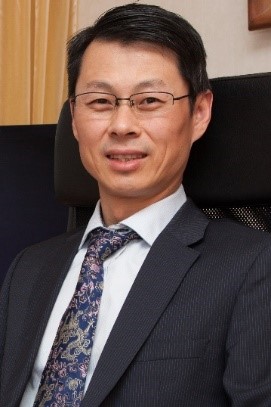
Ling Wang is a PhD candidate at the Faculty of Education, University of Hong Kong. Her research focuses on power and leadership in higher education, academic career, and doctoral education.

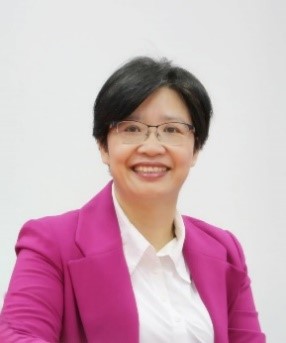
Rui Yang is a Professor and Dean in the Faculty of Education at The University of Hong Kong. With three and a half decades in China, Australia and Hong Kong, he has established his reputation among scholars in English and Chinese languages in the fields of comparative and international education and Chinese higher education. His research interests include education policy sociology, comparative and cross-cultural studies in education, international higher education, educational development in Chinese societies, and international politics in educational research.

References

Ahn, M. Y., & Davis, H. H. (2020). Four domains of students’ sense of belonging to university. Studies in Higher Education, 45(3), 622–634. https://doi.org/10.1080/03075079.2018.1564902

Bae, Y., & Lee, Y. W. (2020). Socialized soft power: Recasting analytical path and public diplomacy. Journal of International Relations and Development, 23(4), 871–898. https://doi.org/10.1057/s41268-019-00169-5

Gümüş, S., Gök, E., & Esen, M. (2020). A Review of Research on International Student Mobility: Science Mapping the Existing Knowledge Base. Journal of Studies in International Education, 24(5), 495–517. https://doi.org/10.1177/1028315319893651

He, L., & Wilkins, S. (2019). The Return of China’s Soft Power in South East Asia: An Analysis of the International Branch Campuses Established by Three Chinese Universities. Higher Education Policy, 32(3), 321–337. https://doi.org/10.1057/s41307-018-0084-x

Hong, M. (2022). Evaluating the soft power of outbound student mobility: An analysis of Australia’s New Colombo Plan. Higher Education Research & Development, 41(3), 743–758.

Holyk, G. G. (2011). Paper Tiger? Chinese Soft Power in East Asia. Political Science Quarterly, 126(2), 223–254. https://doi.org/10.1002/j.1538-165X.2011.tb00700.x

Tran, L. T. (2016). Mobility as ‘becoming’: A Bourdieuian analysis of the factors shaping international student mobility. British Journal of Sociology of Education, 37(8), 1268–1289. https://doi.org/10.1080/01425692.2015.1044070

Levitt, P., & Schiller, N. G. (2004). Conceptualizing Simultaneity: A Transnational Social Field Perspective on Society1. International Migration Review, 38(3), 1002–1039. https://doi.org/10.1111/j.1747-7379.2004.tb00227.x

Li, M., & Bray, M. (2007). Cross-Border Flows of Students for Higher Education: Push-Pull Factors and Motivations of Mainland Chinese Students in Hong Kong and Macau. Higher Education, 53(6), 791–818.

Mok, K. H., Xiong, W., & Bin Aedy Rahman, H. N. (2021). COVID-19 pandemic’s disruption on university teaching and learning and competence cultivation: Student evaluation of online learning experiences in Hong Kong. International Journal of Chinese Education, 10(1), 22125868211007011. https://doi.org/10.1177/22125868211007011

Saldaña, J. (2016). The coding manual for qualitative researcher (3rd ed.). Sage.

Tran, L. T., & Vu, T. T. P. (2018). Beyond the ‘normal’ to the ‘new possibles’: Australian students’ experiences in Asia and their roles in making connections with the region via the New Colombo Plan. Higher Education Quarterly, 72(3), 194–207. https://doi.org/10.1111/hequ.12166

Xu, C. L. (2018). Transborder habitus in a within-country mobility context: A Bourdieusian analysis of mainland Chinese students in Hong Kong. The Sociological Review, 66(6), 1128–1144. https://doi.org/10.1177/0038026117732669

Managing Editor: Tong Meng
Invitation for applications to join the editorial board of the British Journal of Sociology of Education

Applicants can be at any stage of career but must have:

· a good understanding of the nature, aims and scope of the journal;
· a PhD in – or closely related to – the sociology of education;
· an affiliation to a university or an established research organisation;
· published at least three peer-reviewed articles, at least one of which should be in BJSE or a journal with similar scope and standing;
· experience as a peer reviewer.

The executive editors are particularly keen to receive applications from sociologists of education who identify as being from minoritized or marginalised communities, those whose expertise includes advanced quantitative methods, and those whose interests and expertise encompass familiarity with educational issues, institutions and systems across the world.  Editorial board appointments are unpaid. Members are listed on the journal’s webpages. Most editorial board members review around six items per year.  Appointments are open-ended and continue indefinitely by mutual agreement.  However, they can be brought to a close at any time, either by (a) the individual editorial board member standing down, or (b) as a result of a majority decision at a formally-constituted meeting of the executive editors. Please send a letter of application as an email attachment to Rachel Brooks (r.brooks@surrey.ac.uk) by 5pm (UK time) on Tuesday, 2nd January 2024. The letter should be no more than 500 words and should state how you meet the criteria, and any particular areas of expertise you have that you feel would benefit the journal (such as particular research methods; phases or types of educational activity; topics, issues or debates; perspectives or theories; countries, continents, systems).  Letters may contain a link to a professional profile web-page, but no further attachments are required.

Managing Editor: Tong Meng

Career decision-making among Chinese doctoral engineering graduates after studying in the United States 

Research Highlighted

Huang, Q., & Jung, J. (2023). Career decision-making among Chinese doctoral engineering graduates after studying in the United States, Higher Education Quarterly, doi: 10.1111/hequ.12475    

About the study 

The article “Career decision-making among Chinese doctoral engineering graduates after studying in the United States” explores the various factors influencing the career decisions of Chinese doctoral graduates in mechanical engineering who completed their degrees in the US. Based on the intention to return to China, the study  categorizes participants into four types: fresh returnees, advanced returnees, hesitant stayers, and resolute stayers. The study also highlights the personal and contextual factors affecting their decision-making process, such as family reasons, job markets, and visa restrictions. 

The participants considered whether to return to China or stay in the US, with some deciding to work in multinational companies in China to maintain their ‘transnational’ agency. The study also notes the impact of Chinese government policies aimed at reversing the brain drain, though these have been more successful in attracting quantity over quality, with the best talents often choosing to stay in the US due to the institutional culture in China. 

Furthermore, the study discusses the graduates’ choices between academic and non-academic careers, with many showing a preference for the private sector, influenced by their work with industry during their doctoral programs. This reflects a shift from the traditional academic career trajectory, valuing practical applications and community engagement. 

The concept of agency is crucial throughout the study, with the graduates’ decisions based on strategic consideration of multiple factors. The study suggests that universities could reshape doctoral education goals to better prepare students for a range of professional job markets, considering field characteristics and the evolving nature of STEM careers. 

Literature 

Firstly, the literature identifies various push and pull factors that affect the decisions of overseas-trained doctoral graduates regarding returning to their home countries after completing their studies. Push factors include job difficulties in the host country, visa regulations, and language and cultural barriers (Pham, 2021). Pull factors are often related to emerging career opportunities in the home country’s economy, familial obligations, and social connections (Hao et al., 2016; Liu et al., 2022).  

Secondly, doctoral graduates traditionally exhibit a strong interest in academic careers, influenced by the research-focused training received during their doctoral programs (Horta & Li, 2023). Nevertheless, recent studies, such as that by Griffin et al. (2022), indicate a shift in this trend, with STEM field students expressing more interest in diverse career paths, including non-research roles. Engineering doctoral graduates, in particular, are willing to engage in various engineering-related occupations to maintain their professional identity, which is often shaped by industry experience (Jackson, 2015)​​. 

Thirdly, the concept of agency is pivotal in understanding how graduates strategically navigate their career decisions (Jager et al., 2017). Agency involves both strategic perspectives and actions aimed at important goals and is expressed through individuals’ capacity to utilize various resources for career decisions (Pham & Soltani, 2021). These experiences enable students to respond to their needs, face challenges, collaborate with peers, and work towards becoming who they aspire to be. However, it’s important to recognize that the exercise of agency can be constrained by structural and external factors such as the economic environment and labor market conditions (Tholen, 2015). Nonetheless, individuals with higher agency levels understand the critical role of personal abilities in career success despite these constraints (Griffin et al., 2022)​ 

Method 

This qualitative research involved semi-structured interviews with 16 Chinese mechanical engineering doctoral graduates from top US research universities. Each interview lasted between 40 and 70 minutes and took place via Zoom or WeChat video calls due to the COVID-19 pandemic. The interviews were conducted in Chinese and later translated into English, with the primary questions focusing on the participants’ decision-making processes regarding returning to China or staying in the US, and their choice between academic and non-academic career paths. 

The data collected were subjected to thematic analysis. Sub-themes were identified, such as feelings of being outsiders in a foreign culture, work-life balance, and self-assessment of personality. These were then categorized into primary themes that included the four types of participants based on their inclination to return to China or remain in the US, and their choice between academic and non-academic careers​​. 

Conclusion & Discussion 

The study elaborates on the nuanced decisions faced by graduates, which are influenced by a myriad of factors such as family considerations, job market realities, and government policies. The study finds that these decisions are not binary but rather reflect a strategic evaluation of various options and conditions. It also notes the graduates’ preference for non-academic careers, influenced by their practical work with industry during their doctoral programs.  

The concept of agency is central to understanding their career choices, with graduates demonstrating strategic behavior in navigating their professional paths. Despite the incentives offered by Chinese policies, the study observes that the most talented individuals often choose to stay in the US, driven by preferences for the research environment and concerns about the academic culture in China. The findings suggest the need for universities to adapt doctoral education to prepare students for diverse professional markets. The study acknowledges its limitations, such as its focus on a single discipline and the specific context of Chinese students, and calls for future research to explore these dynamics further, including longitudinal studies and comparative research across different nationalities. 

(864 words) 

References 

Hao, J., Wen, W., & Welch, A. (2016). When sojourners return: Employment opportunities and challenges facing highskilled Chinese returnees. Asian and Pacific Migration Journal, 25(1), 22–40. 

Horta, H., & Li, H. (2023). Nothing but publishing: The overriding goal of PhD students in mainland China, Hong Kong, and Macau. Studies in Higher Education, 48(2), 263–282.  

Griffin, K. A., Miller, C., & Roksa, J. (2022). Agency and career indecision among biological science graduate students. Studies in Graduate and Postdoctoral Education, 14(1), 99–113. 

Jackson, D. (2015). Employability skill development in work-integrated learning: Barriers and best practice. Studies in Higher Education, 40(2), 350–367. 

Jager, A. J., Mitchall, A., O’Meara, K., Grantham, A., Zhang, J., Eliason, J., & Cowdery, K. (2017). Push and pull: The influence of race/ethnicity on agency in doctoral student career advancement. Journal of Diversity in Higher Education, 10(3), 232–252. 

Liu, D., Xu, Y., Zhao, T., & Che, S. (2022). Academic career development of Chinese returnees with overseas Ph.D. degrees: A bioecological development perspective. Frontiers in Psychology, 13, 859240.  

Pham, T. (2021). Conceptualising the employability agency of international graduates (1st ed.). Centre for Global Higher Education Working Papers; No. 75. University of Oxford  

Pham, T., & Soltani, B. (2021). Enhancing student education transitions and employability: From theory to practice (1st ed.). Routledge 

Tholen, G. (2015). What can research into graduate employability tell us about agency and structure? British Journal of Sociology of Education, 36(5), 766–784. 

Author’s bio 

  Dr. Qian Huang

Dr. Qian Huang is a Research Fellow at the Lee Kuan Yew Centre for Innovative Cities (LKYCIC), Singapore University of Technology and Design. She obtained her EdD from the University of Hong Kong in Dec 2022. Her EdD dissertation is about the impact of studying abroad on engineering students’ employability. She examined how engineering graduates develop resources and capitals to manage their work transition after studying abroad.  

Dr. Jisun Jung

Dr. Jisun Jung is an Associate Professor in the Faculty of Education at the University of Hong Kong. Her current research focuses on the academic profession, doctoral education, employment and postgraduate studies and higher education research in Asia. She is currently co-editor of Higher Education Research & Development. 

Managing Editor: Xin Fan

Cultivating Global Scholars in international mobility: integration experiences from Chinese doctoral students at Finnish universities  

Research highlighted 

Title: Cultivating Global Scholars in international mobility: integration experiences from Chinese doctoral students at Finnish universities  

Zheng, G., Cai, Y. & Zuo, B. Cultivating Global Scholars: Delving into Chinese Doctoral Students’ Integration Experiences at Finnish Universities Through an Institutional Logics Lens. Journal of Knowledge Economy (2023). doi.org/10.1007/s13132-023-01420-8 

International mobility of doctoral students contributes substantially to the global knowledge production across borders. This requires international doctoral students have the intercultural competency in adapting to the incremental changes of cultural background in global mobility and integrate into the local academic environment. However, international doctoral students often face various challenges in integrating into the host academic system when they mobile from one country to another. Through interviews with ten Chinese doctoral students and four Finnish supervisors, this study examines the integration of Chinese international doctoral students at Finnish universities and unveils the reasons behind the challenges from an institutional logics’ perspective. Institutional logics refer to “the socially constructed, historical pattern of material practices, assumptions, values, beliefs, and rules by which individuals produce and reproduce their material subsistence, organize time and space, and provide meaning to their social reality” (Thornton & Ocasio, 1999, p. 804). 

Multiple logics underlying Chinese doctoral students’ expectations.  

The study shows at the beginning of the integration process, the Chinese international doctoral students’ expectations of doctoral studies was marked by a constellation of logics of profession, bureaucratic state, and family. Influenced by a profession logic, most interviewed doctoral students chose their future supervisors based on supervisors’ research interest and academic merits, and had high academic expectations on their supervisors. Moreover, Chinese doctoral students expected to receive some kind of “mentorship in life” from their supervisors and to join a “research family” during their doctoral study. This reflects the concept of academic parents and children in keeping with family logic in Chinese society. They also expected greater regulations on the processes and outputs of doctoral education, which reflects a bureaucratic state logic.  

Multiple logics in the context of Finnish universities  

The study shows the Finnish universities offered another important input to the institutional environment for Chinese international students’ integration: the dominant institutional logics of profession, democratic state, and corporation. Underlined by profession logic, doctoral supervisors in Finnish universities expected doctoral students to act as independent researchers. Finnish universities also expected the relations between doctoral supervisors and students to be formal and professional, reflecting a profession logic, as well as being equal, in related to a democratic state logic. In Finnish universities, doctoral students with and without contractual relations were expected to be managed under different tracks, which indicates a corporation logic.   

Conflicting logics contributing to challenges in integration 

As shown above, the two inputs of multiple logics are not fully compatible, which provided conflicting sense-making frames to the Chinese international students, contributing to the mismatches between Chinese doctoral students’ expectation and the reality in Finnish universities.  

A first mismatch was rooted in the expected role of doctoral students. Influenced by the family logic, most interviewed Chinese doctoral students considered themselves the “academic children” of their supervisors and placed themselves in a lower position. However, Finnish supervisors expected doctoral students to be independent (following profession logic) and develop a more equal and professional supervisor–supervisee relation (underlined by the democratic state logic and the profession logic). This mismatch and the conflicting logics underlying it were a source of confusion for the Chinese students at the beginning of the integration process.  

A second mismatch was reflected in the differences between Chinese doctoral students’ expectations of a regulated, monitored doctoral learning process—behind which is the bureaucratic state logic that governed their experiences in the Chinese educational system—and the advocated autonomy, endorsed by the logic of profession in the Finnish universities. Especially at the beginning of their integration process, some Chinese doctoral students did not realize that they should manage their doctoral studies autonomously. 

A third mismatch lies in the varied interpretations of roles of universities universities. Influenced by profession logic, Chinese students expected universities to act solely as academic hubs for knowledge provision and transmission by researchers. However, along with the reform of new public management in higher education, the impacts of the corporation logic in the Finnish system become prevailing, which views universities as employers to manage researchers. In the beginning of integration, interviewed doctoral students were not used to the management system in Finnish universities. Even being informed, they felt it went against their professional values.  

Nevertheless, throughout the integration process, these multiple logics continued to interact and reconcile, and they finally aligned with the underlying logics in the Finnish universities. This implies that the interviewed Chinese doctoral students were eventually integrated into the local context to a large extent, despite the challenges in the process.  

Implications of the study 

First, for international doctoral students, they should learn about the practices in the host doctoral education system in advance which can help them better align their expectations and adapt to the local environment. For the instance of Chinese doctoral students in Finnish universities, they should strengthen their professional identity as early career researchers (strengthening the underlying profession logic), lower their expectations of familial relations with supervisors and institutions (weakening the underlying family logic), and familiarize themselves with the corporate management style of Finnish universities (strengthening the underlying corporation logic). 

Second, for host universities and supervisors, they should be aware of the potential mismatches between international doctoral students’ expectations about doctoral education and the social realities of the host universities. Finnish universities can provide more guidance to both doctoral students and their supervisors, such as an orientation course tailored to international doctoral students that introduces the regulations, academic norms, values, and culture of host universities along with other useful toolkits.  

Third, the study also found the differences between Chinese doctoral students’ expectations and Finnish social reality can promote organizational innovation in host universities. One Finnish supervisor changed her supervision practices by learning from her Chinese doctoral students and adopted innovative supervision practices within her research group. Bidirectional learning between the international supervisors and doctoral students is the key to turning integration challenges into opportunities for change. In line with this thinking, if one wants to enable global and local cultures to inform each other in the development of global scholarship, bidirectional learning between actors on both sides may also be key.  

References  

Thornton, P. H., & Ocasio, W. (1999). Institutional Logics and the Historical Contingency of Power in Organizations: Executive Succession in the Higher Education Publishing Industry, 1958–1990. American Journal of Sociology, 105(3), 801-843. https://doi.org/10.1086/210361  

Bio-notes of authors  

Dr Gaoming Zheng is an assistant professor at Institute of Higher Education, Tongji University, China and an affiliated researcher at Higher Education Group, Faculty of Management and Business, Tampere University, Finland. Her research interest of higher education covers internationalization of higher education, Europe-China higher education cooperation, doctoral education, academic profession, quality assurance and institutional logics.   

Dr Yuzhuo Cai is Senior Lecturer and Adjunct Professor at the Higher Education Group, Faculty of Management and Business, Tampere University, Finland. He is the Director of Sino-Finnish Education Research Centre, JoLii, and Deputy Director of Research Centre on Transnationalism and Transformation at Tampere University. He is also Co-Editor-in-Chief of Triple Helix: A Journal of University-Industry-Government Innovation and Entrepreneurship and Co-Editor of Journal of Studies in International Education. He has 150 academic publications in the fields of higher education research and innovation studies. yuzhuo.cai@tuni.fi 

Prof Bing Zuo is a professor at Faculty of Education, Lingnan Normal University, Zhanjiang, China.  Her research interests include higher education management, university organizational culture and teacher education. She was a visiting scholar at the Ontario Institute for Studies in Education at University of Toronto in Canada, and at University of Tampere in Finland. She held a national project of Education of the National Social Science Foundation “Influence of Overseas study experience on Teachers’ Beliefs and Behavior in Chinese Regional Colleges and Universities”. 

Study-to-Work Transitions of Students-Turned-Migrants: Ongoing Struggles of Mainland Chinese Graduates in Hong Kong

Chan, A. K., & Chen, X. (2023). Study-to-work transitions of students-turned-migrants: ongoing struggles of mainland Chinese graduates in Hong KongHigher Education, 1-16.

About the study:

International students’ settlement experiences have emerged as a new focus in migration studies. Studies have shown that students-turned-migrants experience difficulties transitioning and getting jobs after graduating despite their domestic university qualifications. Researchers have identified structural and institutional factors, such as stringent immigration policies (Maury, 2020; Moskal, 2017) and ‘homophilous employment systems’ (Liu-Farrer & Shire, 2021, p.13), and the various human capital characteristics of student migrants (Wiers-Jenssen & Støren, 2020; Yang, 2020) as being significant barriers. Recent studies have further delineated the importance and unevenness of socio-cultural capital and institutional habitus in shaping international students’ post-study aspirations and transition experiences (Lee, 2021; Lee & Waters, 2022).

Few studies have examined the links between students-turned-migrants’ transition experiences and their adaptation challenges during their university years, especially their difficulties in acquiring new language skills, developing cultural understanding and making local social connections, and whether and how students-turned-migrants overcame their earlier socio-cultural adaptation difficulties after entering their host society’s labour market.

Moreover, the focus on current studies is dominated by the experiences of international students in English-speaking or Western European countries. While these countries remain popular destinations for international students, Asia is increasingly hosting these mobile talents (Collins et al., 2017). Intra-Asian educational mobility has been increasing steadily, especially among students in China, which is the most significant source country (Yang, 2020), as parents prefer their children to study in places such as Singapore (Chacko, 2021; Yang, 2014) or Hong Kong (Peng, 2019), which have similar socio-cultural contexts and geographic locations. However, whereas some scholars have argued that shorter socio-cultural distances between source and host societies help facilitate socio-cultural adjustment (Chan et al., 2016), others have identified unique barriers for Chinese international students in Asia. Despite the presence of the ethnic Chinese majority, migrant Chinese students must grapple with cultural precarity (Chacko, 2021), intra-ethnic othering (Yang, 2014) and even anti-mainlandisation sentiments (Xu, 2015).

Drawing on in-depth interviews with 30 mainland Chinese (MLC) graduates in Hong Kong, we add nuance to intra-Asian ISM studies by scrutinising their post-university settlement experiences. We ask the following questions: How do MLC students/graduates navigate and acquire social, cultural and linguistic capital (i.e., Cantonese proficiency, cultural understanding, intercultural competence and social networks)? How do MLC students-turned-migrants’ earlier socio-cultural adaptation at university influence their post-study transition and settlement experiences?

Findings and implications:

In our study, MLC students-turned-migrants experience challenges in their university years. Adaptation difficulties in their university years, including limited Cantonese proficiency, meagre cultural understanding of the host society and weak connections with locals, continue to affect their subsequent employment and social integration. Our findings underscore the importance of student migrants’ ongoing socio-cultural adaptation difficulties. These challenges were not always resolved but intensified during the post-study transition, making socio-cultural integration and inter- and intra-ethnic cohesion a thorny problem for the social agenda.

This study also deepens the discussion on intra-Asian educational mobility, especially the social interactions between intra-ethnic groups. Other than the challenges of cultural precarity, intra-ethnic othering and anti-mainlandisation sentiments (Chacko, 2021; Yang, 2014; Xu, 2015), our study revealed other barriers, including language as a demarcation device, everyday workplace microaggressions and self-segregation as an inevitable strategy in a context where sociocultural affinity was expected. The challenges and discrimination that MLC students/graduates encounter are intimately related to the broader public (discriminatory) discourses of ‘foreign talents’ (Yang, 2014, p. 236) or ‘mainland Chinese students’ (Xu, 2015, p. 28) and the complex socio-economic, political and migration environments of the host societies (Liu-Farrer & Shire, 2021). As the study-to-work transition trend grows, we argue that the specific migration contexts and workplace microaggressions experienced by skilled/students-turned-migrants should be examined adequately.

Our findings have implications for immigration policy, university student services and local companies. Many countries have developed policies to attract international students to become skilled migrants, but few have done much to help them integrate into their host societies (Scott et al., 2015; van Riemsdijk & Basford, 2022). The HKSAR government is no exception. While it has liberalised its immigration policies, it places the responsibility on individual student migrants to adapt to the socio-cultural norms of the local society. The HKSAR government should be more proactive in supporting MLC in learning the host language to better integrate with locals.

Concerning higher education, as more non-local or international students consider becoming skilled migrants after graduation, we believe universities should strengthen their related support and career services to enhance MLC students’ socio-cultural integration and future employability by helping them learn Cantonese and understand Hong Kong’s social norms, cultural practices, workplace culture and general expectations.

Finally, employers and co-workers are vital in integrating students-turned-migrants into the workplace (van Riemsdijk & Basford, 2022). Non-local migrants’ difficulties and unwillingness to learn and speak the host language in addition to intermingling and forming ties with local colleagues are sometimes related to the responses they received at university and in the workplace. While the government must counter various forms of discrimination using policies and public education, local companies should also cultivate staff with multicultural competency, organise training against microaggressions and actively promote intercultural learning and interactions in their workplace.

References

Chan, K., Huxley, P. J., Chiu, M. Y.-L., Evans, S., & Ma, Y. (2016). Social inclusion and health conditions among Chinese immigrants in Hong Kong and the United Kingdom: an exploratory study. Social Indicators Research, 126, 657–672.

Chacko, E. (2021). Emerging precarity among international students in Singapore: experiences, understandings and responses. Journal of Ethnic and Migration Studies, 47(20), 4741–4757.

Collins, F. L., Ho, K. C., Ishikawa, M., & Ma, A. H. S. (2017). International student mobility and after study lives: the portability and prospects of overseas education in Asia. Population, Space and Place, 23, e2029.

Liu-Farrer, G., & Shire, K. (2021). Who are the fittest? The question of skills in national employment systems in an age of global labour mobility. Journal of Ethnic and Migration Studies, 47(10), 2305–2322.

Lee, J. (2021). A future of endless possibilities? Institutional habitus and international students’ poststudy aspirations and transitions. British Journal of Sociology of Education, 42(3), 404–418.

Lee, J., & Waters, J. (2022). International education ‘here’ and ‘there’: geographies, materialities and differentiated mobilities within UK degrees. Social & Cultural Geography, 1–8.

Maury, O. (2020). Between a promise and a salary: student-migrant-workers’ experiences of precarious labour markets. Work, Employment and Society, 34(5), 809-825.

Moskal, M. (2017). International students’ pathways between open and closed borders: towards a multi-scalar approach to educational mobility and labour market outcomes. International Migration, 55(3), 126-138.

Scott, C., Safdar, S., Trilokekar, R. D., & El Masri, A. (2015). International students as ‘ideal immigrants’ in Canada: a disconnect between policy makers’ assumptions and the lived experiences of international students. Comparative and International Education, 43(3).

van Riemsdijk, M., & Basford, S. (2022). Integration of highly skilled migrants in the workplace: a multilevel framework. Journal of International Migration and Integration, 22, 633–654.

Wiers-Jenssen, J., & Støren, L. A. (2020). International student mobility and the transition from higher education to work in Norway. Higher Education, 82, 1119–1143.

Xu, L. (2015). When the Hong Kong dream meets the anti-mainlandisation discourse: Mainland Chinese students in Hong Kong. Journal of Current Chinese Affairs, 44(3), 15–47.

Yang, P. (2020). China in the global field of international student mobility: an analysis of economic, human and symbolic capitals. Compare: A Journal of Comparative and International Education, 52(2), 308–326.

Yang, P. (2014). A phenomenology of being ‘very China: an ethnographic report on the self-formation experiences of mainland Chinese undergraduate ‘foreign talent’ in Singapore. Asian Journal of Social Sciences, 42(3/4), 233–261.

Author’s bio

Anita K.W. Chan (First author)

Anita K.W. Chan (PhD) is an Associate Professor in the Department of Social Sciences and Policy Studies at The Education University of Hong Kong. As an expert in gender and education, she has examined various gender issues in Hong Kong’s education system, including the gendered identities of school girls, university males, primary school teachers, principals, and gender differences in choosing STEM subjects among secondary school students. She is also passionate about family and migration studies and has researched parenting, motherhood, fatherhood, changing families and intimacies, cross-border students, and transnational families. She is a qualitative researcher specializing in in-depth interviews and narrative analysis. Email: akwchan@eduhk.hk

Xi Chen (Co-author and Corresponding author)

Xi Chen (PhD) is a Lecturer in the Academy of Chinese National Cohesion Research at Jinan University, Guangzhou, China. She graduated with a PhD from The Education University of Hong Kong, supervised by Anita K.W. Chan. As a former mainland China-Hong Kong student, she focuses on the student mobility research stemmed from her PhD study. She is also passionate about the topics related to international students studying in mainland China, as well as Hong Kong studies. She is a qualitative researcher specializing in in-depth interviews. Email: xichen614@163.com

Managing Editor: Tong Meng