
Please kindly fill in this survey: https://www.wjx.cn/m/67083760.aspx?from=singlemessage. It is a project funded by the Ministry of Education, People’s Republic of China. Thanks a lot.
Survey Invitation: 中国留学归国博士回国动因及回国后的工作和生活状况
大家好! 感谢您参与本次问卷,该问卷是为了解中国留学归国博士回国动因及回国后的工作和生活状况,便于为政府研究改善留学归国人员的工作和生活条件以及完善相关政策,提供参考和依据。问卷匿名,用时约5分钟,数据仅供研究之用,绝不会泄露您的隐私和信息。感谢您的支持!问卷地址:https://www.wjx.cn/jq/64376185.aspx
Rooted Cosmopolitanism and Transversal Politics: South Korean (non-)Expatriate Parents in China and Their Choice of Schools
Research Highlighted
Ma, X. (2020). Rooted Cosmopolitanism and Transversal Politics: South Korean (Non-)Expatriate Parents in China and Their Choice of Schools. The Asia Pacific Journal of Anthropology, 1-18. doi:10.1080/14442213.2020.1734070
Abstract
这个民族志研究考察了在华韩国人父母为子女的择校策略,以及这些策略中体现出的根植的世界主义认同。由于企业提供教育补助,外派员父母有条件将子女送进昂贵的国际学校接受教育,但是他们也很重视为孩子提供当地和母国教育的机会。非外派员父母的子女接受相对廉价的当地和母国教育,但父母的教育计划中并没有排除世界主义的展望。根植的世界主义指韩国人父母对不同文化开放的认同是以回到母国的需要为取向并同时扎根于当地社会的社会经济情境中。他们的择校策略是一种横跨的政治。本文认为,在华韩国人父母不是无根的精英,而是普通的外国人。
This article draws on the choice of schools for children as an important lens through which the practices and perceptions of South Korean (non-)expatriate parents in China are revealed. In line with Giddens (1991, p. 81), I argue that choices are ‘not only about how to act but who to be’, and the act of making choices implies the creation of self-identification. Expatriate parents who are globally mobile tend to choose international education for their children owing to their ideas of mobile futures and aspirations to become international (Hayden et al., 2000; Weenink, 2008). Recently, local schools have also become options for Western expatriate parents who anticipate arming their children with local knowledge and language proficiency, which they consider as an integral part of a cosmopolitan disposition (Farrer & Greenspan, 2015; Groves & O’Connor, 2018). Korean parents tend to diversify their choices and frequently transfer their children from one educational track to another, neither merely choosing an international nor a local school. This trait distinguishes them from Western expatriates.
Expatriate Parents: International Immersion and Pursuit of Local and National Engagements
Although most expatriate parents tended to choose the most expensive school for their children, namely, an international school, their options were seldom restricted. The replacement of international schools with bilingual schools often occurred. Parents were aware of the Chinese language becoming a hegemonic language globally, in addition to English. They have developed a ‘Sinocentric cosmopolitan’ view demonstrated in both their willingness to engage with Chinese culture and language and their pragmatic awareness of their home country’ s geopolitical stance between the two global superpowers, China and the United States (cf. Farrer & Greenspan, 2015).
For most expatriate parents, their children’s present immersion in an English medium programme did not necessarily generate aspirations to send them to an English-speaking country for higher education on account of the unaffordable cost. Most believed English competence to be beneficial for their children’s return to Korea for admission into a prestigious Korean university. The reason being that Korean universities reserve special quotas for the children of Korean nationals returning from overseas, which requires high scores in TOEFL and SAT to succeed in the admission to elite universities. As Sassen (2008, p. 63) puts it, ‘the global can be constituted inside the national’. Despite enrolling their children in non-native language programmes, these parents’ educational arrangements were predominantly home-oriented.
Non-expatriate Parents: Local and National Exposure with a Cosmopolitan Outlook
Due to inadequate education subsidies and family income, non-expatriate parents are likely to arrange Chinese or Korean educational tracks for their children. Despite their relatively less privileged socioeconomic position, these parents appeared to have no less cosmopolitan aspiration than their expatriate counterparts, demonstrated by their strong desires to send their children to a bilingual or pure English-medium programme in the future. Korean parents’ cosmopolitan striving with regard to their children’s education is by no means ‘entirely classed’ (cf. Park & Abelmann, 2004). It is because the burgeoning international education market in China provides affordable alternatives to international education for the rank-and-file families, including the non-expatriate Korean ones.
Parental pursuits are not only globally oriented but also paradoxically entangled with ethnonational consciousness, particularly when children experience Korean and Chinese styles of pedagogy. By transferring their children to a Korean school in China, the parents cultivated traits of ‘Koreanness’ in them whilst washing off their acquired undesirable ‘Chineseness’. Nonetheless, relentless criticism was also made regarding the overseas Korean education. The major concern was that its curriculum was neither sufficiently international nor superior to the average level of education provided in the motherland. This demonstrates the parents’ cosmopolitan pursuit is not so much an effort to raise the youngsters as ‘global citizens’ as a meticulous plan to equip them with necessary competencies in order to be able to compete against their peers in their home country (cf. Koo, 2016; Park & Abelmann, 2004).
Rooted cosmopolitanism and transversal politics
This article has examined the home-oriented cosmopolitan identities of South Korean expatriate and non-expatriate parents in China through their strategies in choosing schools for their children, which I frame as transversal politics. Cosmopolitanism is demonstrated as openness to alien cultures without losing one’s attachment to home as well as the desire to return home. Cosmopolitanism is not the absolute acceptance of cultures as inseparable entities but, rather, the process of selecting cultural aspects that are suited to the interests of individuals and families (Hannerz, 1990, p. 240).
I have deployed transversal politics as a term to conceptualise the specific educational strategies practised by Korean parents. These strategies are not constrained to the national education system but extend to different systems that signify non-national and international cultures. In contrast to Western expatriate parents in certain Asian countries, the identities and practices of South Korean parents in China are demonstrated as more likely to be multi-faceted, constrained and de-elitist. Neither expatriate nor non-expatriate parents in this study should be viewed as cosmopolitan elites. Rather, they are essentially ‘ordinary foreigners’ sojourning in the increasingly globalised Chinese social milieu (Seo, 2007). What remains to be known is whether their children will become ‘cosmopolitans’ owing to the hybrid cultural capital they have accumulated through their education in various school systems.
Author Biography
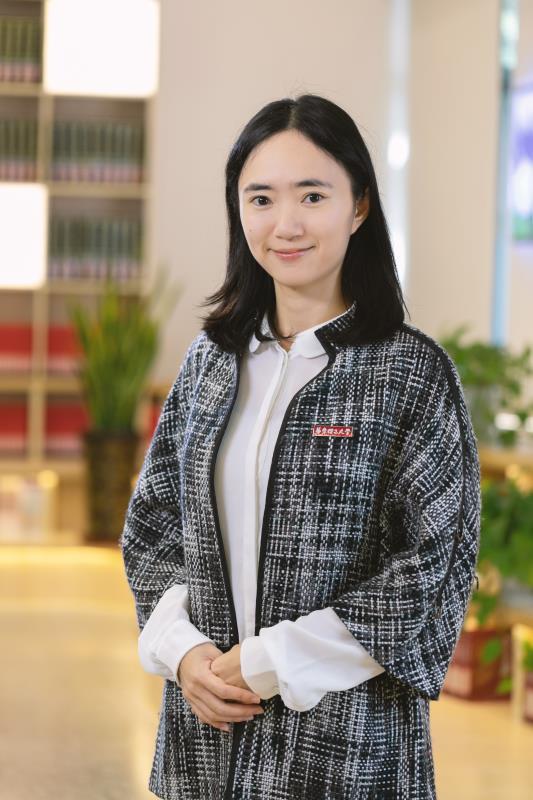
Dr Xiao Ma received her doctoral degree in Chinese Studies and Anthropology from Leiden University Institute for Area Studies, The Netherlands. She is currently conducting postdoctoral research in the Department of Sociology at East China University of Science and Technology in Shanghai. Her research interests include migration and education, ethnic community and economy, foreigners in China, Korean migration, agency and structure. Her recent publications also include “Unpacking ‘Koreatown’ in Chinese Metropolis: urban governance, variations in ethnic incorporation and consequences” in Journal of Ethnic and Migration Studies. She can be contacted via: xiaoma@ecust.edu.cn; maxiao8784@163.com.
References
Farrer, J., & Greenspan, A. (2015). Raising cosmopolitans: Localized educational strategies of international families in Shanghai. Global Networks: A Journal of Transnational Affairs, 15(2), 141–160.
Giddens, A. (1991). Modernity and self-identity: Self and society in the late modern age. Polity Press.
Groves, J. M., & O’Connor, P. (2018). Negotiating global citizenship, protecting privilege: Western expatriates choosing local schools in Hong Kong. British Journal of Sociology of Education, 39(3), 381–395.
Hannerz, U. (1990). Cosmopolitans and Locals in World Culture. Theory, Culture & Society, 7(2–3), 237–251.
Hayden, M. C., Rancic, B. A., & Thompson, J. J. (2000). Being International: Student and teacher perceptions from international schools. Oxford Review of Education, 26(1), 107–123.
Koo, H. (2016). The Global Middle Class: How Is It Made, What Does It Represent? Globalizations, 1–14.
Park, S., & Abelmann, N. (2004). Class and cosmopolitan striving: Mothers’ management of English education in South Korea. Anthropological Quarterly, 77(4), 645–672.
Sassen, S. (2008). Neither global nor national: Novel assemblages of territory, authority and rights. Ethics & Global Politics, 1(1).
Seo, J. (2007). Interpreting Wangjing: Ordinary Foreigners in a Globalizing Town. Korean Observer, 38(3), 469–500.
Weenink, D. (2008). Cosmopolitanism as a Form of Capital: Parents Preparing their Children for a Globalizing World. Sociology, 42(6), 1089–1106.
How mobilities and schooling experiences of Chinese cross-border students (CBS) affect their sense of belonging to Hong Kong?
Research Highlighted:
Chan, A. K.-W., Chiu, M. M., Yang, S., & Ngan, L. L.-S. (2020). Mobility, belongingness and schooling experiences of Chinese cross-border students. Children and Youth Services Review, 111, 104870. doi: https://doi.org/10.1016/j.childyouth.2020.104870
In the last two decades, globalization has caused students of diverse migration statuses to flow into school systems, which contribute to the rising concerns of educational or international student mobilities. While the educational mobilities of young people and students of higher education have received much academic attention, those of younger children have not, despite the rising trend of many young children in Asia, China in particular, have crossed local or regional borders for better education (eg. Yeoh, et al. 2012).
On the other hand, belongingness has been a pertinent topic for scholars interested in immigrant students. As schools play a central role in integrating immigrant children and youth into their new society, studies have found that when immigrant students’ needs for belonging are met in schools, they show positive emotions, life satisfaction, and greater commitment to stay in the country of destination (eg. Chiu et al. 2016). Nevertheless, few research has examined whether and the ways in which young, mobile child migrants develop belongingness in the context of mobility, and whether and how schooling experiences mediate their belongingness. Therefore, our study on Chinese cross-border students (CBS) addresses these research gaps.
CBS in Hong Kong offers a unique example in the growing trend of young mobile children, because their daily commuting to school comprises physical, spatial and cross-border mobilities. CBS are young schoolchildren who are permanent residents of Hong Kong but live on the mainland and travel across the border to school every day. The phenomenon first emerged in the twenty-first century and intensified in relation to the changing economic relations between Hong Kong and the mainland, border policies and formation of diverse cross-border families (Chan and Ngai 2018). The growth finally subsided in 2012, after the Hong Kong Government introduced the zero-quota policy (see Chan et. al. 2017). The 3,567 CBS in 2002/3 skyrocketed to 28,106 in 2015/16 (with about 10,000 CBS kindergarteners and 15,000 primary school students). In 2018/19, about 20, 000 CBS attended primary school.
Our study, based on 417 Chinese CBS, has three research questions.
How did the sociodemographic characteristics of the CBS affect their sense of belonging to Hong Kong (SOBHK)?
How did the mobility of the CBS affect their SOBHK?
How did schooling experiences of the CBS affect their SOBHK?
We first used factor analysis to validate the instrument and create the construct index SOBHK, and then a structural equation model to assess whether sociodemographic characteristics, mobility or different dimensions of schooling experiences are linked to CBS’ SOBHK.
Our results indicated that SOBHK was not significantly affected by the cross-border students’ sociodemographic characteristics (age, gender, parents’ Hong Kong permanent resident statuses, educational attainments or occupations). Our analyses also showed that cross-border mobility (hours on commuting) was not significantly related to the students’ SOBHK. Instead, we found that the CBS who had better relations with local peers, whose friends were mostly from Hong Kong, or who engaged in more extracurricular school-based activities in Hong Kong experienced stronger SOBHK.
This study has several important contributions. First, it includes mobility – an increasingly important feature of immigrant students – to education and migration studies of belongingness and schooling experiences. Second, it disentangles the relationships between sociodemographic characteristics, mobility and schooling experiences that may affect the belongingness of Chinese CBS to Hong Kong. Third, it widens the current concern of Chinese immigrant students, an important growing population (Kaisr, Ma, and Chao 2019), from higher education to other age groups.
Our study has also practical implication. In view of the rising tensions between Hong Kong residents and mainlanders (Xu 2015), which are further aggravated by the anti-extradition protests in 2019, we believe more positive intergroup interactions among young students of diverse cultural groups will foster mutual understanding and friendships, and reduce such tensions.
References:
Chan, A. K. W., Ngan, L. L. S., Wong, A. K.W., & Chan, W. S. (2017). “Border” matters in discussions of cross-border students. Social Transformations in Chinese Societies, 13(1), 56–70. https://doi.org/10.1108/STICS-04-2017-0005
Chan, A. K. W., & Ngan, L. L. S. (2018). Investigating the differential mobility experiences of Chinese cross-border students. Mobilities, 13(1), 142–156. https://doi.org/10.1080/17450101.2017.1300452
Chiu, M. M., Chow, B. W. Y., McBride, C., & Mol, S. T. (2016). Students’ sense of belonging at school in 41 countries: Cross-cultural variability. Journal of Cross-Cultural Psychology, 47(2), 175–196.
Kaiser, M., Y. Ma, and Q. Chao. 2019. “Are Western Universities Doing Enough for Their Chinese Students?” Times Higher Education https://www.timeshighereducation.com/features/are-western-universities-doing-enough-their-chinese-students
Xu, C. 2015. “Identity and Cross-Border Student Mobility: The Mainland China–Hong Kong Experience.” European Educational Research Journal 14(1): 65-73.
Yeoh, B., A. E. Lai, C. Alipio, L. A. Hoang, T. Lam, and M. C. W. Lu. 2012. Report for Children’s Geographies: Inter-Asia Roundtable on Transnational Migration and Children in Asian Contexts.” Children’s Geographies 10(1): 123–129. https://doi.org/10.1080/14733285.2011.636594.
Author Biography
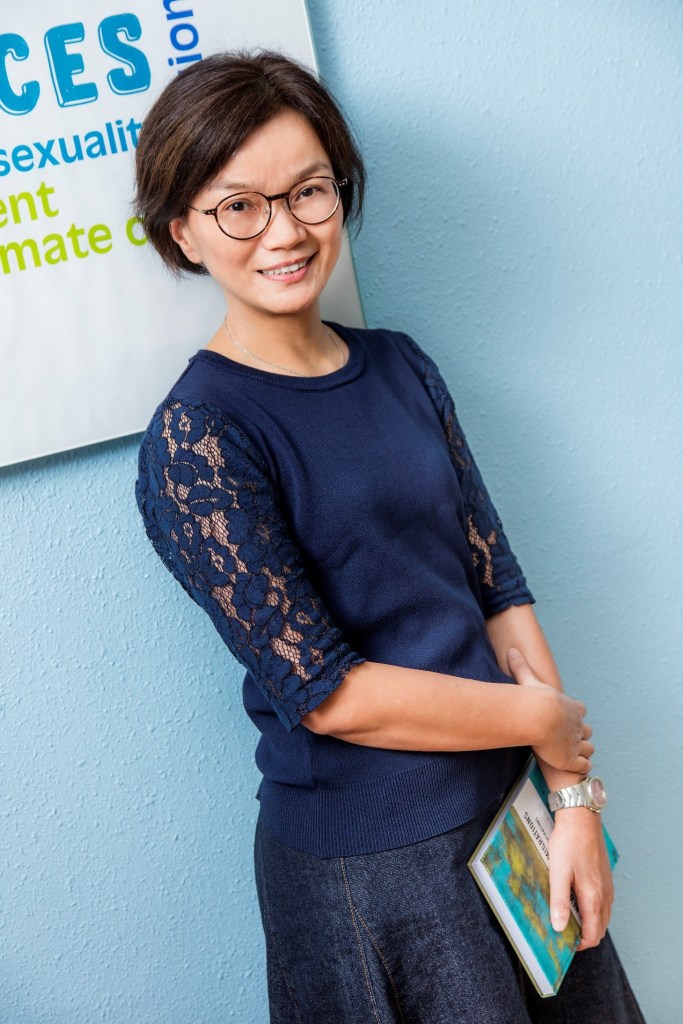
Dr Anita Chan is Associate Professor at The Education University of Hong Kong. Her research interests cover gender, education, family and migration studies. She is currently involved in several research projects on topics ranging from adoptive families, masculinities of young men, global childhoods, transnational families, and older women’s subjectivities. Her publications can be found in academic journals such as Mobilities, Children and Youth Services Review, Urban Studies, Journal of Consumer Culture, Gender and Education, Compare, and History of Education.
Lectureships and Postdoc position in Sociology and Anthropology in Renmin University, China
中国人民大学社会学系
2019-2020学年教师招聘启事
为有效推进“双一流”建设,满足学院和学科发展需要,中国人民大学社会学系2019-2020学年拟面向海内外公开招聘教师4名和师资博士后1名。
一、岗位需求及条件
1、社会学方向:教师,3名
◆ 社会学专业博士学位,毕业于海内外一流高校。
◆ 49岁及以下,师德高尚、具备良好教学能力、富有团队合作精神、英语交流能力较强、科研发表突出。
◆ 能够承担社会学及相关学科教学与科研任务,积极参与学科建设;社会理论、社会政策、经济社会学、组织社会学、政治社会学等方向优先,其他社会学分支领域亦可。
2、人类学方向:教师,1名
◆ 人类学专业博士学位,毕业于海内外一流高校。
◆ 35岁及以下,师德高尚、具备良好教学能力、富有团队合作精神、英语交流能力较强、科研发表突出。
◆ 能够承担相关学科教学与科研任务,积极参与学科建设。
3、社会学方向:师资博士后,1名
◆ 社会学专业博士学位,毕业于海内外一流高校。
◆ 35岁及以下,师德高尚、具备良好教学能力、富有团队合作精神、英语交流能力较强、科研发表良好。
◆ 能够承担社会学及相关学科教学与科研任务,积极参与学科建设。科学社会学、大数据与互联网研究优先,其他社会学分支领域亦可。
二、招聘程序
有意向应聘者请访问中国人民大学人才招聘网(网址:zhaopin.ruc.edu.cn),在“教师招聘”和“师资博士后招聘”栏目中查看我院招聘岗位类型、招聘人数、岗位职责、任职条件、专业要求、招聘截止日期等重要信息。应聘者请在网站中注册并填写简历,根据网站提示上传相应材料。简历填写完成后,根据个人情况和岗位信息选择希望申报的岗位。
三、联系方式
联系人:李老师,010-62514984,summer8998@ruc.edu.cn;
本招聘启事常年有效,招满为止。
关于所招聘教师的岗位类型、招聘对象、基本条件、招聘程序及其他具体事项,请详见“中国人民大学2019-2022学年教师岗位、师资博士后岗位招聘公告”(附件一)。
附件一:中国人民大学2019-2022学年教师岗位、师资博士后岗位招聘公告
【中国人民大学社会学系简介】
中国人民大学社会学系是具有国内领先水平、国际良好声誉、理论特色鲜明、师资实力雄厚、培育层次健全、基础条件优越、兼收并蓄包容、发展潜力巨大等特点的社会学教学与科研机构,在社会学学科领域中占据重要地位和拥有重大的影响力。
追溯既往,社会学在中国人民大学有近70多年的历史。20世纪50年代初,中国人民大学成立伊始,许多著名社会学家来到人民大学工作,例如陈达、李景汉、吴景超、赵承信、戴世光、陈文仙、全慰天等,为人民大学20世纪80年代初社会学的恢复和发展奠定了重要基础。
1984年,中国人民大学建立社会学研究所;1985年,建立社会学理论与方法硕士点;1987年,建立社会学系,同年开始招收本科生;1993年,建立社会学理论与方法博士点;1996年,被列为“211工程”重点建设学科;2002年,被列为国家重点学科;2007年,入选国家级特色专业;2016年,获得“双一流”建设资金支持。
中国人民大学社会学系拥有博士学位一级学科授予权,拥有博士、硕士和学士学位授予权。1998年,经国务院学位办批准始建博士后流动站,同时建立人类学硕士点;2001年,建立人类学博士点;2002年,建立民俗学硕士点。
 Network for Research into Chinese Education Mobilities (NRCEM)