WeChat as a public platform for strenghtening HSS academics’ global competitiveness & autoethnographic reflections of early career research trajectory between Australia and China

This entry introduces two research articles recently published by Dr Helen Jinjin Lu.

Research Highlighted 1

Jinjin Lu (2020): The WeChat public platform: strengthening HSS academics’ global competitiveness in non-English speaking countries. Culture and Education, DOI: 10.1080/11356405.2020.1785141

Dr Jinjin Lu, China University of Geosciences, Wuhan, China

Background

Chinese professional autonomy, particularly for academics, has been fairly restricted in higher education for years. The academic restrictions bring significant challenges for the development of higher education in mainland China (Dirlik, 2012; Klotzbücher, 2014). Klotzbücher (2014) argues that gatekeeping is particularly high for the ‘social status and autonomy of a researcher’ (2014, p. 7). Dirlik (2012) claims that compared with Chinese staff in the disciplines of science and technology (S&T), academics in the humanities and social sciences (HSS) have more challenges due to different ideologies, higher education management and less internationalization. The tension appears to have become more severe after the ‘Double First Class’ strategic plan was put into place (MOE, 2015) in mainland China. Since 2015, the number of overseas returnees who are working as academics in Chinese higher education is trending upward. However, due to media censorship in mainland China, those HSS academic returnees and home-trained fellows have been cut out of the communication channels with the West because they are not allowed to use popular social media tools such as Google, Facebook and YouTube. The communication isolation could potentially enlarge the gap between Chinese HSS academics and their counterparts in S&T for international scholarships. For the reasons mentioned above, it is necessary to seek an effective social media tool for connecting both Chinese and Western scholars in the twenty-first century (Harwit, 2017).

WeChat is not only a social media tool but also a mobile payment application (hereafter, ‘app’) developed by the Chinese company Tencent. It has been widely accepted since 2010 in China, and currently more than 600 million Chinese citizens are using it in their daily lives. Harwit (2017) claims that WeChat has become such a powerful social media tool that it has caused the ‘Chinese government to ensure that this rapidly spreading technology does not challenge its authority’ (p. 313). Ju, Sandel, and Thinyane (2019) empathize that this efficient technology tool is popular among migrants across borders, such as those in Zhuhai mainland and Macao. Because of this, WeChat, as a domain social media tool used in China, as well as a friendly app for the West, has been adopted as an instrument tool in this project.

Method and Findings

The study is underpinned by Gibbon’s managerialism theory, in particular the ‘Mode 2’ (1994). The larger project aims to enhance HSS academics’ global competitiveness in international scholarships via WeChat public platforms in non-English-speaking countries in Asia and Europe. The first objective of the current project is to identify the major communication access and challenges of Chinese HSS academics with Western academics. Second, based on their perceptions, a WeChat public programme was constructed that could be effective to strengthen the public communication between Chinese and Western academics.

The pre-survey and post survey were adopted using the WeChat public programme. There were 224 participants, who used the social media tool WeChat in the quantitative study. After the pre-survey, workshops were designed to introduce the WeChat platform and to explain to the HSS staff at the selected universities how the platform was constructed at the first stage. This was followed by a post-survey questionnaire which was adapted to evaluate the effects of the programme. The results show that Chinese HSS academics are interested in using WeChat public platforms in order to have potential collaborations with the West in research publications, conference presentations, visiting scholar programme applications and students’ mobility programmes.

References

Dirlik, A. (2012). Zhongguohua: Worlding China. The case of sociology and anthropology in 20th-China. In A. Dirlik, G. Li, & H.-P. Yen (Eds.), Sociology and anthropology in twentieth century China. Between universalism and indigenism (pp. 1–32). Hong Kong: The Chinese University Press.

Gibbons, M., Limoges, C., Nowotny, H., Schwartzman, S., Scott, P., & Trow, M. (1994). The new production of knowledge: The dynamics of science and research in contemporary societies. London: SAGE.

Harwit, E. (2017). WeChat: Social and political development of China’s dominant messaging app. Chinese Journal of Communication, 10, 312–327.

Ju, B., Sandel, T. L., & Thinyane, H. (2019). WeChat use of mainland Chinese dual migrants in daily border crossing. Chinese Journal of Communication, 12, 377–394.

Klotzbücher, S. (2014). Western-Chinese academic collaboration in the social sciences. Journal of Current Chinese Affairs, 43, 7–12.

MOE. (2015). Jiakuai Jiancheng yipi shijie yiliu daxue he yiliu xueke. Retrieved from http://www. moe.edu.cn/jyb_xwfb/s271/201511/t20151104_217639.html

Research Highlighted 2

Lu, J. (2020) Cinderella and Pandora’s box – Autoethnographic Reflections on My Early Career Research Trajectory between Australia and China, Interlitteraria, 96-109.

This paper is the second essay of my auto-ethnography collection. In the first part, I focused on my reflections on my bilingual learning trajectory from China to the USA (Lu, 2018). Compared with the first one, this article focused on describing my own working experiences as an early career researcher between Australia and China. I examine my immigrant experiences as a female, bilingual early-career researcher in multilingual and multicultural environments and my subsequent re-entry into China to work as a global researcher within a span of ten years. My series of auto-ethnographic dialogues between a cast of characters, in which they recall experiences, perceptions, and emotions, provides readers with ample opportunities to actively respond to the text. Through this autoethnographic memoir and performance, I hope to contribute to new directions for narrative research in intercultural contexts.

The poem called Love, written by Professor Jüri Talvet, has motivated me to complete this piece of writing. While reading the poem, loving memories played in my mind like a film. As I was born into a middle-class family in China, all my family love has come to me. Since I became an immigrant in the West, love has been always a main theme in my family and career. In the article, I reviewed studies of immigrants’ cultural identities, cultural transfusions, and hybrid spaces. As a first-generation immigrant who completed higher education in the West, the way I was brought up and my early learning trajectory have had a significant influence on my life in Australia. I use my diaries to provide a window through which both I and others from a similar cultural background can explore immigrants’ cultural identities. My shifting spaces have brought me many opportunities and challenges, and they have also inspired me to reflect on myself and reconstruct my identity.

I chose three diary excerpts: Humility Makes Progress, Guilty for Going Out on Weekends, and Struggling to Be Back to present the cultural nuances between Chinese and westerners. Some emerging social and cultural issues, such as tiger parenting, leftover women, and Chinese circle, would be interesting for further exploration by socialists.

References

Lu, J. 2018. Of Roses and Jasmine  – Auto-Ethnographic Reflections on My Early Bilingual Life through China’s Open-Door Policy.  Reflective Practice, 19(5), 690–706. https://doi.org/10.1080/14623943.2018.1538959

Love English translation by Harvey L. Hix. DOI: https://doi.org/10.12697/IL.2020.25.1.10

Author Bio

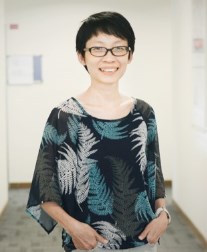
Dr Jinjin Lu completed her PhD in the Faculty of Education at the University of Tasmania in Australia. She was a full-time research fellow in Charles Sturt University between 2015–2017 in Australia. Currently, she is an Associate Professor in the School of Foreign Languages at China University of Geosciences (Wuhan), China. Her research interests are in language education, digital technology and cultural studies. She can be contacted at helen820919@sina.com.
‘Mandarin Fever’ and Chinese Language-learning in Brunei Middle Schools: Discrepant Discourses, Multifaceted Realities and Institutional Barriers

Research Highlighted

Koh, S.Y., Hoon, C.-Y., & Noor Azam Haji-Othman. (2020). ‘Mandarin Fever’ and Chinese Language-learning in Brunei Middle Schools: Discrepant Discourses, Multifaceted Realities and Institutional Barriers. Asian Studies Review. doi:10.1080/10357823.2020.1801577

The rise of China as a global economic powerhouse has led to a surge in Chinese language-learning worldwide (i.e. ‘Mandarin Fever’), including in Southeast Asia. The rapidly growing interest in Chinese language-learning around the world has brought about shifts in some Southeast Asian governments’ stances towards Chinese education and Chinese language-learning in schools. Given the long histories of suppression or curtailment of Chinese schools and Chinese language-learning in many Southeast Asian countries, does Mandarin Fever signal the cusp of a transformative change in ethnic minority education and language-learning in these multicultural contexts?

We explore this question through the case study of two Chinese middle schools in Brunei Darussalam, a Muslim and English–Malay bilingual majority country. Drawing on participant observations at two private Chinese middle schools, 19 interviews with teachers and parents, and 10 focus group discussions with students conducted in 2018, we find that there are discrepant discourses and multifaceted realities within and between different groups. By this, we mean that there are conflicting and irreconcilable desires and realities in the learning of Mandarin in Brunei.

Teachers and parents agree with and understand the need for Brunei’s school children to learn Mandarin, and often articulate this in relation to ethno-cultural preservation as well as China’s global and local economic position. Despite their desire for ethno-cultural maintenance, parents ironically emphasised that a basic understanding and command of Mandarin was the least they expected from their children. This paradoxical co-existence of desire and actual expectation among parents is understandable, given the context of Brunei’s linguistic and cultural environment, which does not usually require advanced use of Mandarin either in the workplace or in everyday life. Furthermore, parents themselves may not be fluent Mandarin speakers and may lack the ability to nurture their children’s learning of the language outside the classroom.

Students, however, struggled to understand the broader and longer-term benefits articulated by their parents and teachers. Instead, they articulated banal motivations such as being able to communicate with non-English-conversant family members (e.g. their grandparents) and new migrants from China. This suggests that students primarily considered Mandarin to be a communication tool with ‘others’ who are not conversant in English. Some students gave deviant responses, demonstrating their inability to understand the utility of the Mandarin, and their frustration at having to learn what they perceive to be a difficult and an unnecessary subject.

We found that students repeated the discourses of ‘should learn the mother tongue as a Chinese person’, ‘at least being able to speak Chinese’ and ‘shameful if we can’t speak our own language’ that their parents and teachers had verbalised. In their study on language attitudes and linguistic practices among parents and students in the Chinese diaspora in Britain, Australia and Singapore, Li and Zhu found that the parents articulate similar ethno-essentialist ideologies, but the younger generation tend to embrace multilingualism and desire ‘a more dynamic and fluid definition of Chineseness’ (2010, p. 166). In contrast, our student respondents did not seem to downplay their Chineseness. For them, learning Mandarin appeared to be a necessary task that they should do because their parents and teachers told them to.

This apparent lack of inherent motivation on the part of students was linked to the institutional barriers to Chinese language-learning in Brunei. First, there is a lack of textbooks and teaching materials appropriate to Mandarin school learners in Brunei. Second, there is a heavy reliance on foreign teachers since there is no teacher training programme for Mandarin teachers locally. Third, Mandarin is not a compulsory or significant subject in key examinations (e.g. Primary School Assessment, end of Year 6; ‘O’ Levels, end of Year 9). Finally, while there have never been any official bans on languages other than Malay (the official language of Brunei), many younger Chinese perceive an instrumental and integrative need to master the Malay language and English (the main working language of Brunei).

Our study finds that there are similar challenges to Chinese language-learning in Brunei as there are in neighbouring countries where the Chinese are ethnic minorities, such as Indonesia, Thailand, Vietnam and the Philippines. We argue that it is the cumulative effects of these educational and non-educational institutional barriers that hamper the development of an effective and comprehensive Chinese language-learning environment in Brunei.

Our findings suggest that the rise of China has had a limited impact on Chinese language-learning among Chinese students and parents in Brunei at this stage. A plausible explanation for this is that the cumulative institutional barriers are relatively entrenched, and there may be a time lag before the effects become evident. This highlights the importance of contextualising any analyses of ‘Mandarin Fever’ to the specific ethno-cultural and ethno-political contexts of the location under study.

Nevertheless, our exploration of the emergent interest among non-Chinese students and students of mixed ethnic genealogies in Chinese language-learning suggests that the rise of China may have potential longer-term impacts on Chinese language-learning in Brunei as a whole. With the continuing rise of China and increasing trade exchanges with Brunei, it remains an open question whether attitudes towards learning Mandarin will change in the future.

References

Li, W., & Zhu, H. (2010). Voices from the diaspora: Changing hierarchies and dynamics of Chinese multilingualism. International Journal of the Sociology of Language, 2010(205), 155–171.

Author bios

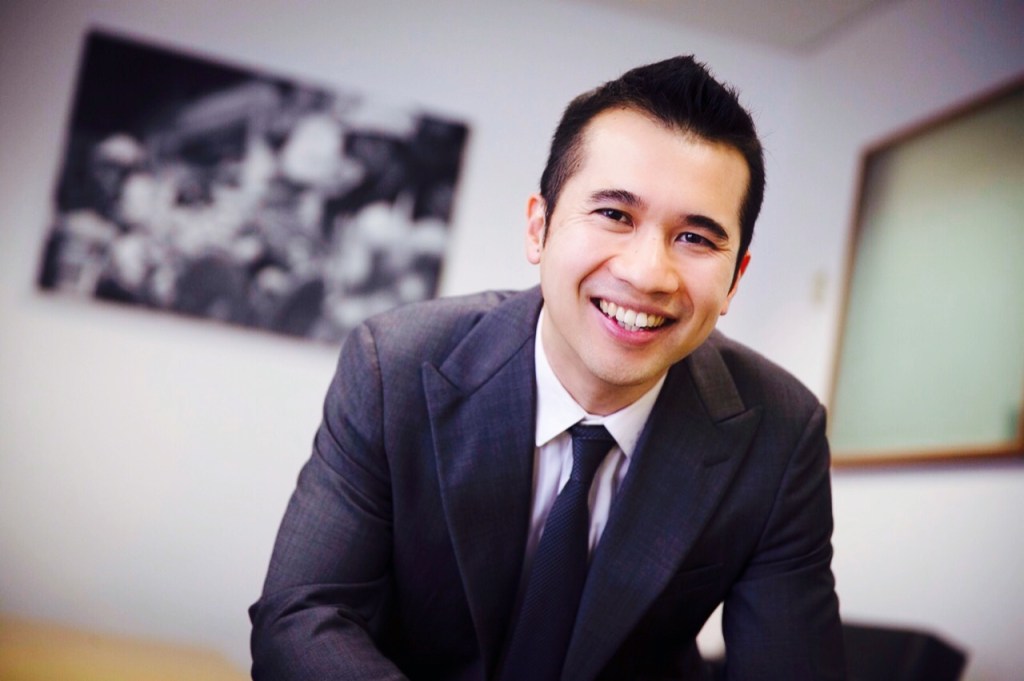
Dr Sin Yee Koh, Monash University Malaysia

Sin Yee Koh is Senior Lecturer in the School of Arts and Social Sciences at Monash University Malaysia. Her work seeks to understand the causes, processes, and consequences of structural and urban inequalities, and how people cope individually and collectively under such conditions through the lens of migration and mobility. She is the author of Race, Education, and Citizenship: Mobile Malaysians, British Colonial Legacies, and a Culture of Migration (Palgrave Macmillan, 2017) and co-editor of New Chinese Migrations: Mobility, Home, and Inspirations (Routledge, 2018).

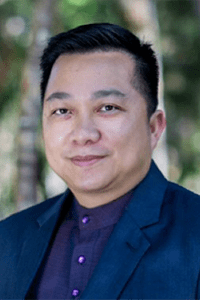
Dr Chang-Yau Hoon, Universiti Brunei Darussalam

Chang-Yau Hoon is Director of Centre for Advanced Research and Associate Professor of Anthropology at the Institute of Asian Studies, Universiti Brunei Darussalam. He specialises on identity politics, diversity and inclusion, multiculturalism, and the Chinese diaspora in contemporary Southeast Asia. He is the author of Chinese Identity in Post-Suharto Indonesia: Culture, Media and Politics (2008, Sussex Academic Press), which was translated in Chinese and Indonesian; and co-editor of Chinese Indonesians Reassessed: History, Religion and Belonging (Routledge, 2013),  Catalysts of Change: Ethnic Chinese Business in Asia (World Scientific, 2014), and Contesting Chineseness: Ethnicity, Identity and Nation in China and Southeast Asia (Springer, Forthcoming).

Dr Noor Azam Haji-Othman, Universiti Brunei Darussalam

Noor Azam Haji-Othman is Associate Professor in English language and linguistics at Universiti Brunei Darussalam, where he currently serves as the Dean of the Faculty of Arts and Social Sciences. His main research interests include the indigenous languages of Brunei, minority communities, bilingualism and bilingual education, and more recently transnational education, involving English as Medium of Instruction. He is particularly interested in issues of language and identity in relation to those topics mentioned above in the context of inter-cultural encounters. He is co-editor of The use and status of language in Brunei Darussalam: A kingdom of unexpected linguistic diversity (Springer, 2016).

Study Abroad Experience and Career Decision-Making: A Qualitative Study of Chinese Students

Research highlighted

Wu, Y. (2020). Study Abroad Experience and Career Decision-Making: A Qualitative Study of Chinese Students. Frontiers of Education in China, 15 (2), 313-331. https://doi.org/10.1007/s11516-020-0014-8

Yihan Wu, City University of Hong Kong

In recent years, there has been an unprecedented increase in the number of Chinese students undertaking degrees abroad in the context of globalization. Amongst other levels of study, most of these students are seeking to pursue international education and postgraduate degrees abroad (Mazzarol, Clark, Rebound, Gough, & Olson, 2014). Gaining an overseas education can however pose challenges, particularly in terms of taking important career-related decisions following graduation. It is important to carry out more in-depth investigations to gain a more profound insight into the cultural value that international students have in their home countries and how this impact on their overseas study life. Hence, my research explores factors influencing Chinese overseas students’ career decision-making. Based on the social cognitive career theory, a semi-structured interview schedule was devised to qualitatively investigate how Chinese students evaluated different factors and coped with career decision-making while studying abroad.

Drawing on qualitative data from 16 interviewees, my research findings illustrate that family influences, overseas social life, and personal improvements were three key factors in shaping Chinese overseas students’ career decision-making.

Firstly, family influence has been identified by numerous studies as a central factor that has a significant impact on young people’s career decisions (Fouad, Kim, Ghosh, Chang, & Figueiredo, 2015; Ma, Desai, George, San Filippo, & Varon, 2013). However, the results obtained in the present study did not entirely corroborate those of previous research with respect to the extent to which Chinese students’ career decision-making was influenced by their family. More than half interviewees in this research stated that their career choices were not directly influenced by their families, but indirectly, through the impact they had on career interest and values, despite the fact that other participants did admit that they had received advice from their parents regarding what academic subject and/or career to pursue.

With respect to personal improvement, previous research has indicated that students studying abroad are not independent in their career decision-making, do not score highly on the career maturity scale, and have extrinsic and pragmatic career values (Hardin, Leong, & Osipow, 2001; Lee, Choe, Kim, & Ngo, 2000; Tang, 2002). Nevertheless, this study shows that participants knew exactly what they were interested in and passionate about. Indeed, the current study discovered that career and personal values were both directly and indirectly influenced by the experience of learning and living in a different country and this experience in turn, shaped their career decision-making.

Lastly, the findings in this research highlight the importance of a positive overseas social life and its impact on students’ career decision-making. This was consistent with previous studies which have addressed the importance of acculturation and cultural values and their impact on Asian students’ living and learning experiences abroad (Hou et al., 2018; Reynolds & Constantine, 2007). In the case of some participants, their career choices were not directly impacted on by the process of cultural learning, but rather by the fact that they were aware of differences between Eastern and Western cultures, and it was this awareness that shaped their self-construction and how they interacted with local students.

Furthermore, my research also found that the factor of family influences including family members, family advice, and the factor of overseas social life including balancing two cultural values, together play essential roles in shaping personal improvement factors including self-development and fulfilment, career, and personal values. Thus, it can be argued that there is a complicated interplay among the three factors, which exert a combined effect on Chinese international students’ career decision-making.

To gain an insight into Chinese overseas students’ career decision-making, the present research has applied the social cognitive career theory to interviews. The theory helped understand the living and learning experiences of Chinese overseas students, because, in addition to dealing with the factors shaping career decision-making, it highlights the interaction between individuals’ learning experiences and their abilities to promote personal interests and self-efficacy. The findings further suggest that participants’ learning experiences, self-efficacy, and career values, the main elements highlighted in the social cognitive career theory, were also heavily influenced by academic supervisors and tutors. The participants stated that positive learning experiences, performance accomplishments, and favourable feedback from supervisors and tutors made them feel happy and fulfilled, which in turn improved their self-efficacy, strengthening their conviction in their career interests and shaping decisions made regarding their career. Social cognitive career theory places great significance on such interplay between factors as it further clarifies how different factors shape individuals’ career decision-making.

In general, my research findings were intended to aid and expand investigations of career decision-making among college students, and may prompt individuals coming from similar backgrounds as the participants to identify the factors that have shaped their career development. Since the social and cultural perspectives influencing international students’ career decision-making were particularly emphasized in this study, it will be useful to both researchers focusing on young people’s career development and concerned institutions looking to improve the international career support services they offer to non-local students.

References:

Mazzarol, T., Clark, D., Rebound, S., Gough, N., & Olson, P. (2014). Perceptions of innovation climate and the influence of others: A multi-country study of SMEs. International Journal of Innovation Management, 18(1), 1–24.

Ma, P.-W. W., Desai, U., George, S. L., San Filippo, A. A., & Varon, S. (2013). Managing family conflict over career decisions: The experience of Asian Americans. Journal of Career Development, 41(6), 487–506.

Fouad, N. A., Kim, S.-Y., Ghosh, A., Chang, W.-H., & Figueiredo, C. (2015). Family influence on career decision making: Validation in India and the United States. Journal of Career Assessment, 24(1), 197–212.

Hardin, E. E., Leong, F. T. L., & Osipow, S. H. (2001). Cultural relativity in the conceptualization of career maturity. Journal of Vocational Behavior, 58(1), 36–52.

Lee, R. M., Choe, J., Kim, G., & Ngo, V. (2000). Construction of the Asian American family conflicts scale. Journal of Counselling Psychology, 47(2), 211–222.

Tang, M. (2002). A comparison of Asian American, Caucasian American, and Chinese college students. Journal of Multicultural Counseling and Development, 30(2), 124–135.

Hou, P. C., Osborn, D., & Sampson, J. (2018). Acculturation and career development of international and domestic college students. The Career Development Quarterly, 66(4), 344–357.

Reynolds, A. L., & Constantine, M. G. (2007). Cultural adjustment difficulties and career development of international college students. Journal of Career Assessment, 15(3), 338–350.

Author Biography

Yihan WU is a PhD student at the Department of Social and Behavioural Sciences, City University of Hong Kong. Her PhD project focuses on identity issues and adolescents’ mental health. She is also highly interested in educational psychology and has published articles on international students’ emotion regulation, career decision-making and study abroad experiences. She can be contacted at yihanwu2-c@my.cityu.edu.hk

Open rank positions in Education at Graduate School of Education, Shanghai Jiaotong University

上海交通大学教育学院诚聘海内外英才

上海交通大学是中国历史最悠久的重点大学之一,是一所享誉海内外的世界百强大学。按照中共中央、国务院《关于全面深化新时代教师队伍建设改革的意见》的精神,上海交通大学决定成立教育学院。植根于综合性、研究型、国际化的上海交通大学,肩负着培养人类灵魂工程师的伟大使命,教育学院重点培养高品质的高中教师和管理者、开展高水平科学研究和高端咨询服务。为高起点建设教育学院,现面向海内外常年招聘有志人才,热诚欢迎海内外优秀学者加盟上海交通大学教育学院!

 一、学科方向1. 教育基本理论2. 课程与教学论3. 学生心理健康与促进研究4. 教育政策与实践研究5. 教育管理与领导力研究6. 教育大数据与评价7. 未来教育研究

 二、岗位类型

讲席教授、特聘教授、长聘教授、长聘教轨副教授、助理教授

  三、基本要求

讲席教授/特聘教授/长聘教授

1. 在世界一流大学、一流学科或科研机构担任教授或相应职务;

2. 在相关领域内取得同行公认的研究成果和较高的国际影响力;

3. 身心健康,为人正派,具有良好的职业道德和团队合作精神。

长聘教轨副教授

1. 在世界一流大学、一流学科取得博士学位,并具有三年以上工作经历;

2. 具有良好的教书育人能力,有主讲课程和指导博士生经验;

3. 已体现出优秀的学术研究能力,并取得突出的研究成果;

4. 身心健康,为人正派,具有良好的职业道德和团队合作精神。

长聘教轨助理教授

1. 在世界一流大学、一流学科取得博士学位;

2. 具有较强的学术研究与教学能力,具有成为本学科领域优秀教师的潜力;

3. 身心健康,为人正派,具有良好的职业道德和团队合作精神。
四、薪酬福利

按照学校相关标准,提供有竞争力的薪资待遇、科研启动费等,具体面议。

 五、应聘材料

  1.  个人简历;

  2.  个人陈述;

  3.  三篇代表性成果(五年以内)。

 六、联系我们

有意应聘者,请将个人应聘材料+应聘方向+应聘岗位发送至:gse_office@sjtu.edu.cn。

联系人:高老师

联系电话:021-34205654

地址:上海市闵行区东川路800号陈瑞球楼

学院常年接收应聘者简历,定期组织选聘评审。