The micro-politics of cultural change: A Chinese doctoral student’s learning journey at an Australian university

Research Highlighted:

Dai, K., & Hardy, I. (2020). The micro-politics of cultural change: a Chinese doctoral student’s learning journey in Australia. Oxford Review of Education, 1-17. DOI: 10.1080/03054985.2020.1825369

Read about Kun’s other publication here.
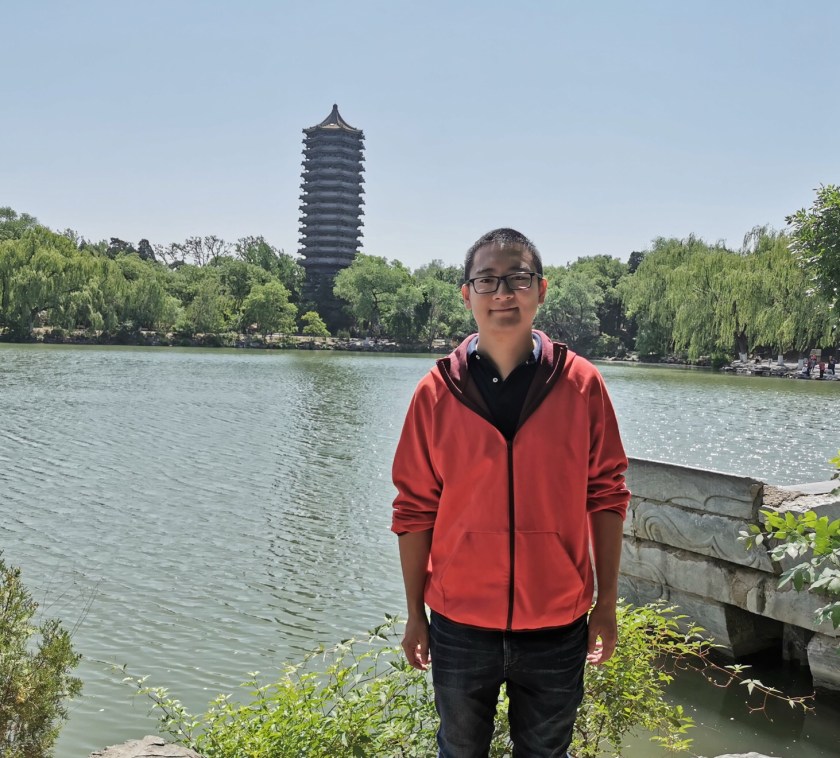
Dr Kun Dai, Peking University, China

Abstract

Considerable research has investigated Chinese students’ intercultural insights in different national contexts, where culture is understood as coterminous with nationality/regionality. However, few have explored the more micro-political aspects of Chinese doctoral students’ narrative experiences in national settings, within a more cultural framework. This article seeks to take such an approach through a reflexive narrative account of the first author’s experiences as a Chinese doctoral student in Australia. To do so, we draw upon Bhabha’s notion of “in-between space”, and work by Gill on intercultural adjustment. We show how the first author’s doctoral journey was characterised by a sense of “in-betweenness” at the micro-political level, including in relation to the cultural boundary crossing associated with having to change fields of study and supervisors. This narrative provides a nuanced account of an international student’s experiences and reflects the usefulness of examining the particularity of international doctoral students’ learning experiences at a much more fine-grained level, via a more intercultural lens.

Introduction

Doctoral education is a significant part of the HE system and doctoral students are also one of the major groups contributing substantively to creativity and innovation in knowledge, which productively influences the development of society (Shin, Postiglione, & Ho, 2018). At the same time, when international doctoral students encounter different academic and sociocultural contexts, they experience complex changes to their identity, with attendant changes to their sense of agency as diasporic academics (Lee & Elliot, 2020). As part of this journey, vacillating between the standpoints of being a more independent and dependent learner, as a Doctor of Philosophy (PhD) candidate, can be associated with senses of both empowerment and disempowerment (Goode, 2007). Thus, doctoral students’ learning experiences can be very diverse, so it is necessary to understand the specificity of the circumstances within which these students conduct their research in different educational contexts (Pearson et al., 2011). To contribute to scholarship in this field, we illustrate and analyse the first author’s experiences as an international doctoral student at an Australian university, and how specific micro-political intercultural issues that he faced during his journey influenced his learning through this experience.

Research Method

This study adopts notions of intercultural adjustment, especially Gill’s (2007) analysis of Chinese students’ transformative learning framework. Furthermore, Bhabha’s (1994) concept of in-between space was used to examine the fluidity of the first author’s experiences through a more critical lens. To tell the story of this positioning in various in-between spaces of intercultural adjustment as part of the first author’s doctoral journey, we draw upon a reflexive narrative approach. In this study, we adopted narrative as the method to frame the data analysis. At the same time, we recognise that the first author’s story/ies is/are not simply a product of his “own” understandings of the world, but also the result of the broader conditions within which his story/ies become comprehensible. By adopting these approaches, we were able to critically and reflexively examine his experiences whilst maintaining confidentiality.

Findings

The narrative started with illustrating the first author’s doctoral research journey in a cross-disciplinary context from Digital Media to Education. As he has studied in Australia for about three years, he felt confident in this initial stage even though he changed his focus from digital media to educational technology. After starting his journey, he gradually realized that he might not get proper supervision, and then he worried about his research. However, dramas always happened. His supervisors left the university, and he had no choice but to change supervision teams. Due to the differences between his research focus and the new supervisor’s expertise, while they worked together and attempted to make his study better, his research was still not on the right track. In the third-year assessment, internal panel members still questioned his research. After this assessment, change happened again. Unfortunately, the new supervisor needed to retire due to personal reason and left the university. In this case, he felt so disempowered and lacked the confidence to complete the study. Luckily, he found new supervisors to support him. Although research topics have been changed due to the shift of supervisions teams, he did not give up and finally completed the study. When he reflected his journey, he felt that the doctoral journey is a process of shaping a sense of in-betweenness: shifting between different research fields, topics, and supervision teams.

Discussion

Based on the first author’s ‘zigzag ‘doctoral learning experience, this study reveals that his PhD journey positioned him in an in-between space where he was constantly immersed in a cycle of stress-adaptation-development, and where he established a sense of in-betweenness, characterised by different senses of agency, identity, and belonging. In these arrangements, power was always at play. Various predictable (e.g. change of majors) and unpredictable changes (e.g. changes of advisors) dynamically and constantly positioned him within different power dynamics. The interaction between intercultural adjustment model and the concept of in-between space shed light on this learning transition, particularly in relation to the micro-politics of cultural change that surrounded the forms of cross-disciplinary academic cultural adaptation he had to undertake in his journey. Importantly, they also flag the significant power relations more broadly that infused his whole doctoral journey. His reactions to the changes indicate a resilience towards expected and unexpected adversities as well as the effects of such power relations.

His journey suggests that he was in the stress-adaptation-development trajectory, but in a very different way from how such a trajectory is conceptualised in existing literature. It could not only be adopted in the analysis of more typical nationally/regionally based intercultural learning and adjustment, but also could be used as a lens to theorise and analyse more micro-political processes of learning trajectories. Moreover, his PhD research trajectory indicated he was ultimately able to become a self-determined and active agent (Marginson, 2014) but this process was tortuous with many twists and turns, establishing a complex sense of in-betweenness in response to different expected and unpredictable changes. His experience indicates that he was immersed in a unique in-between space that was created by constant negotiations between colonising and colonised cohorts, complicated relations of power, and various clashes in and between different types of “cultures”, which potentially shape individual hybridity and sense of in-betweenness.

Conclusion
This study revealed that as a result of the first author’s peculiar cross-disciplinary academic cultural adaptation, he became an in-betweener at not just the macro level of culture, but at a micro-political level. In this particular space, he had to navigate twists and turns in different stages of the learning journey which was not a straightforward process of stress-adaptation-development as some other studies have found. In contrast, his journey was a pathway of continuous processes of stress, adapting and development, characterised by a more or less continuous sense of in-betweenness in relation to each of these states. His experiences certainly confirm doctoral learning and research journeys as complicated rather than linear. However, students may engage in multi-faceted and complex journeys, far beyond what might be anticipated.

Authors’ bios:

Dr Kun Dai is a Postdoctoral Research Fellow (Funded by China International Postdoc Exchange Program) at Graduate School of Education, Peking University. His research focuses on transnational higher education, international students mobility, intercultural learning and adjustment, teaching and learning in higher education.

Dr Ian Hardy is an Associate Professor at the School of Education, University of Queensland, Australia. Dr Hardy’s research focuses on educational policy, globalisation, and teacher education.

Language of the future or national threat? Unpacking the discourses of teaching and learning Chinese in Australian schools

Research Highlighted:

Weinmann, M., Slavich, S. & Neilsen R. (forthcoming 2021). ‘Multiculturalism and the “broken” discourses of Chinese language education’, In: Halse, C. & Kennedy, K. (eds.). The future of multiculturalism in turbulent times. Asia-Europe Education Dialogue series, Routledge Taylor & Francis Group.

The context of Chinese language education in Australia

Mandarin Chinese has a unique place in Australian society. As China is Australia’s key trading partner, the teaching of  Mandarin has received significant government support (Chen, 2015), especially as Australian schooling policy highlights the importance of language learning for future global citizens (Council of Australian Governments, 2019). Chinese also has the highest number of speakers in the Australian population after English, and is widely taught in Australian schools (Orton, 2016). However, despite the accolades, learners from non-Chinese backgrounds often feel demotivated for two reasons: the relative difficulty of Mandarin compared to cognate European languages (Scarino et al., 2011), and their perceived disadvantage compared to their classmates of Chinese heritage (Chen & Fletcher, 2016).

The same tropes of ‘hope, hype and fear’ (Duff et al., 2015, p. 139) that frame the teaching of Mandarin in Australia are also reflected in recent media and professional teacher conversations around popular discourses of Chinese language education. In order to tease out these complexities, our study followed a mediated discourse research approach (Scollon & Scollon, 2004), which is ‘grounded in the notion that human action is accomplished through discourse as it appears in many forms, whether talk, a wide range of hard copy and digital texts, mental representations of texts from the near or distant past and potential futures’ (Roozen & Erickson, 2017, p. 2.03).

Data sources

We drew on two studies investigating recent perspectives on the teaching and learning of languages in Australian schools. In the first, we analysed how Chinese (Mandarin) language programs and policy rationales had been represented in mainstream Australian print media between 2012—when the now-archived Asian Century White Paper (Australian Government, 2012) was released—and 2017.

In the second study, we interviewed languages teachers from Victoria, Australia, for their perspectives about the implementation of the National Curriculum (Languages). Here we draw on one group interview with two teachers of Asian languages: ‘Stephanie’, Head of Languages at a Catholic secondary school in metropolitan Melbourne and a teacher of Japanese, and ‘Eric’, who works at an independent Foundation–Grade 12 college. He also holds a leadership position in Languages, and teaches Chinese, his native language.

Thematic analysis was used for both studies (Nowell et al., 2017). We began by grouping the selected articles in terms of the socio-historical and political discourses that they represented or challenged regarding China and Chinese language learning, followed by a close analysis of textual features. For the interview data, we analysed stories the educators told in relation to their experiences, pedagogy and practice, then explored underlying beliefs and tensions—and the discourses that shaped them (Lather, 2013).

Theoretical underpinnings

Our exploration of the discourses of (Chinese) language takes as its premise that languages teaching and learning ‘both reflect and constitute language ideologies, … [which] involve not just language issues, they also intersect with taken-for-granted ideas of race, ethnicity and culture, producing and reinforcing complex relations of power’ (Kubota, 2019, p. 111).

The multilingual turn (May, 2014) in language studies has highlighted the complex interconnections between language, culture, identity and difference (Kramsch & Zhu, 2020). In Australia, the tensions between Western, white and Anglophone ‘norms’ (Kincheloe & Steinberg 1997) and ‘others’ (Said, 2003) are reflected in the contentious relation between monolingualism and multilingualism in Australia (Piller, 2016), which continues to impede ‘a more constructive approach that seeks to … integrate the multiplicity of linguistic stimuli and various cultural settings for any language user, irrespective of whether they speak one or many’ (Nord, 2018, p. 9). Drawing on these theoretical directions, we re-examined how speakers, teachers and learners of languages, and multilingual classrooms are constructed and perceived, and how these dynamics could be more comprehensively understood and interrogated (Weinmann & Arber, 2017).

Findings and discussion

We found a strong discrepancy between advocacy for Chinese language instruction as strategic for Australia’s economic future, and media and public debates that portray Chinese as ‘too difficult and too foreign to learn’. The overarching themes that emerged from our data were:

  • Chinese as the ‘language of the future’
  • Ambivalence towards teaching and learning Chinese
  • Chinese culture and language as too foreign and ‘difficult’.

The ‘language of the future’

In half of the articles selected, Chinese programs were portrayed as ‘state of the art’; headings such as ‘bilingual first in schools’ suggested that bilingual programs are a new phenomenon, rather than long-established in Australia. Several articles also celebrated Chinese language programs as technologically innovative, enabling students to form ‘virtual relationships’ with ‘digital sister schools’ in China, suggesting that the goal of language learning is to communicate with ‘foreign people’ overseas—and excluding the significant Chinese-speaking community in Australia’s ‘own backyard’.

Ambivalence towards Chinese language study

Reflecting the controversy of China’s investment in ‘cultural projection to the world’ (Gil, 2015), many articles criticised the role of Confucius Classrooms. Headings such as ‘Schools paid $10,000 to teach Chinese, and ‘China sends teachers to Palmerston’,suggest that such programs are driven by China alone. In the same article, a statement such as ‘the Territory will soon be speaking Chinese if the NT [Northern Territory] Government gets its way’ imply hostility towards the arrival of ‘twenty Chinese teachers set to be calling the Northern Territory home’. Chinese language and culture are thus politicised as threats to Australian national identity—a view reinforced and manifested by a hierarchical view of languages.

‘It’s too foreign’

Chinese may be the ‘language of the future’—but for some, ‘survival’ Chinese may be enough, as an Australian company manager comments: ‘I don’t believe Chinese is essential as all Chinese students learn English … however, basic Chinese skills assist in business etiquette and overcoming the cultural barrier’ (Irwin, 2016).

With this view, proficiency—and a deeper understanding of Chinese culture and society—are therefore supposedly unnecessary. Surprisingly, some Languages teachers we interviewed expressed similar concerns:

We’ve always viewed Japanese with a sense of prestige. Kids like animated cartoons, feel like there’s things they can really relate to. Now, Chinese hasn’t got that. (Stephanie)

Popular culture can generate an interest in language learning, but it does not occur as often as assumed (Armour & Iida, 2016). Stephanie’s comment suggests that China and Chinese language lack cultural aspects that Australian students can relate to, and are therefore perceived as distant from ‘Australian’ culture. This is a theme echoed by Eric:

The [Chinese] textbook layout … doesn’t feel Western. It feels, just even opening the book, [the] quality of the pages, fonts … kids look at it and go, ‘This looks really foreign.’ (Eric)

For Eric, even a common textbook resource represents a linguistic and cultural chasm between East and West, which alienates Australian students when they first encounter Chinese.

These research snapshots reflect well-documented themes in media and teacher discourses in Australia about Chinese language education: Chinese language study as purely instrumental, exoticising cultural and linguistic ‘others’, along with strong ambivalence towards China and speakers of Chinese.

With current Australia–China tensions, re-establishing relationships that move beyond the binaries of ‘us versus them’ could be crucial for stability in our region.  If Chinese is to be positioned as the ‘language of the future’ and worth studying, it requires progressive policy and language programming that recognise that ‘while multilingualism is laudatory, the means by which one becomes multilingual also matter’. More critical engagement with Australia’s multicultural identity is needed, which will also raise new questions about how Australia communicates with its Asian neighbours.

References

Armour, W. S., & Iida, S. (Eds.). (2016). Are Australian fans of anime and manga motivated to learn Japanese language? Asia Pacific Journal of Education, 36(1).

Australian Government. (2012). Australia in the Asian Century White Paper. http://www.defence.gov.au/whitepaper/2013/docs/australia_in_the_asian_century_white_paper.pdf

Chen, P. & Fletcher, C. (2016). Politics, economics, society, and overseas Chinese teaching: A case study of Australia. Chinese Education and Society, 49(6), 351–368.

Chen, Z. (2015). Challenges of teaching Chinese in Australian schools: Lesson from beginning teacher-researchers. Journal of Language Teaching and Research, 6(5), 933–942.

Council of Australian Governments: Education Council (2019). Alice Springs (Mparntwe) Education Declaration. http://www.educationcouncil.edu.au/site/DefaultSite/filesystem/documents/Reports%20and%20publications/Alice%20Springs%20(Mparntwe)%20Education%20Declaration.pdf

Duff, P., Anderson, T., Doherty, L., & Wang, R. (2015). Representations of Chinese language learning in contemporary English-language news media: Hope, hype, and fear. Global Chinese, 1(1), 139–168.

Gil, J. (2015). China’s cultural projection: A discussion of the Confucius Institutes. China: An International Journal, 13(1), 200–226.

Irwin, D.(2016, 24 October). First job–and where are you now? Gold Coast Bulletin.

Kincheloe, J. L. & Steinberg, S. R. (1997). Changing multiculturalism. Open University Press.

Kramsch, C. & Hua Z. (2020). Translating culture in global times: An introduction. Applied Linguistics, 41(1), 1–9.

Kubota, R. (2019). English in Japan. In P. Heinrich & Y. Ohara (Eds.), The Routledge handbook of Japanese sociolinguistics (pp. 110–126). Routledge.

Lather, P. (2013). Methodology-21: What do we do in the afterward? Qualitative Studies in Education, 26(6), 634–645.

May, S. (Ed.). (2014). The multilingual turn: Implications for SLA, TESOL and bilingual education. Routledge.

Nord, H. (2018). Monolingualism versus multilingualism: Remarks on limiting visions. https://www.researchgate.net/publication/326493960_Monolingualism_versus_Multilingualism_remarks_on_limiting_visions

Nowell, L., Norris, J., White, D. & Moules, N. (2017). Thematic analysis: Striving to meet the trustworthiness criteria. International Journal of Qualitative Methods. https://doi.org/10.1177/1609406917733847 

Orton, J. (2016). Building Chinese language capacity in Australia. The Australia–China Relations Institute (ACRI).

Piller, I. (2016). Monolingual ways of seeing multilingualism. Journal of Multicultural Discourses, 11, 25–33.

Roozen, K. & Erickson, J. (2017). Expanding literate landscapes: Persons, practices, and sociohistoric perspectives of disciplinary development. Computers and Composition Digital Press/Utah State University Press. http://ccdigitalpress.org/expanding/

Scarino, A., Elder, C., Iwashita, N., Kim, S. H. O., Kohler, M., & Scrimgeour, A. (2011). Student achievement in Asian languages education. Department of Education, Employment and Workplace Relations.

Scollon, R. & Scollon, S. W. (2004). Nexus analysis: Discourse and the emerging internet. Routledge.

Weinmann, M. & Arber, R. (2017). Orientating languages: Navigating multilingual spaces. Curriculum Perspectives,37, 173–179. doi: 10.1007/s41297-017-0028-4

Author biographies

Dr Michiko Weinmann, Deakin University

Dr Michiko Weinmann is a senior lecturer in Languages Education, and Director of the Centre for Teaching and Learning Languages (CTaLL) at Deakin University, Melbourne. She has researched and published on multilingual education, Asia literacy, and teacher mobility. Michiko curates the Languages resources website: www.languageteacherhelpmate.com. Her forthcoming co-authored book (with Dr Rebecca Cairns, Deakin University) ‘Rethinking Asia-related Curriculum’ will be published by Routledge in 2021. Michiko is on Twitter at @MichikoWeinmann

Dr Rod Neilsen, Deakin University

Dr Rod Neilsen is a senior lecturer in TESOL at Deakin University, Melbourne. He has worked as an English teacher and teacher educator on five continents. He has conducted research into pre-service and in-service teacher mobility and multilingual approaches to language learning. Rod is the Chief Editor of the Australian journal, TESOL in Context. You can follow Rod on Twitter at @RodNeilsen

Sophia Slavich, Stawell Primary School, Victoria

Sophia Slavich is a Chinese and EAL/D language teacher with experience in primary, secondary and tertiary levels. She conducted research in language education policy as part of her Masters of Teaching degree at Deakin University, Melbourne. Sophia is an advocate for linguistic diversity and the worldviews it represents. She currently teaches Chinese at Stawell Primary School, Victoria and works as an instructional coach for beginning teachers with the Teach for Australia program.

A Phenomenographic Study of Chinese Undergraduates’ Conceptions of Learning in Transnational Programs

Research Highlighted:

Zhao, X., & Hu, Y. (2020). (Open Access) A Phenomenographic Study of Chinese Undergraduates’ Conceptions of Learning in Transnational Programs. SAGE Open, 10(3), 1-13.

Dr Xiantong Zhao, Southwest University, China

In Chinese higher education, transnational programs or Chinese-Foreign Cooperation in Running Schools (CFCRS) programs (Zhongwai Hezuo Banxue Xiangmu), are becoming increasingly prevalent. It a joint venture between local Chinese universities and foreign or overseas higher education institutions (HEIs), with the aim of educating Chinese students only (Hou et al., 2014). The teaching staff is composed of both foreign lecturers from partner universities and Chinese lecturers. The programs include both language learning and specialized knowledge teaching in a foreign language. The educational resources such as teaching plan, instruction outline, teaching technologies, textbooks, and curriculum system are introduced from the partner foreign universities. Due to the education input of the materials and staff, the teaching and learning methods are diverse, including group discussion, presentation, role-play, business game simulations, and so on. Moreover, assessment methods adopted by foreign partner universities have also been borrowed to diversify the traditional Chinese evaluation system. Thus, a cross-cultural education context is formed. Nonetheless little is known about student’s actual learning experience in such programs, which may be valuable for improving the education quality.

The present study investigated Chinese undergraduates’ conceptions of learning in programs cooperatively run by Chinese and non-Chinese universities. The research methodology adopted is phenomenography, which is defined by Marton (1994) as “the empirical study of the limited number of qualitatively different ways in which various phenomena in, and aspects of, the world around us are experienced, conceptualized, understood, perceived and apprehended” (p. 4424). Data are collected through semi-structured interviews with a group of undergraduates and analyzed following the phenomenographic principles to identify the referential and structural aspects of each conception. The referential aspect (also named as the meaning aspect) captures the global meaning of the phenomenon, whereas the structural aspect is composed of an internal horizon and an external horizon. The internal horizon denotes the focus of an individual’s attention and it “consists of the aspects of the phenomenon simultaneously present in the theme of awareness, and the relationships between these aspects and between the aspects and the phenomenon as a whole” (Cope & Prosser, 2005, p. 350). The external horizon, sometimes named as the perceptual boundary (Bruce et al., 2004), is composed of those aspects which constitute the background.

Six main conceptions of learning, including sub-conceptions are identified, namely, learning as increase of new knowledge (A), memorization with (B2)/without (B1) understanding, application with (C2)/without (C1) understanding, making sense of the knowledge acquired (D), gaining a new perspective to view reality (E) and personal change and growth based on an extensive understanding of learning (F). Generally speaking, the relationship found between conceptions is hierarchical, with Conception A as the least complicated learning conception and Conception F as the most advanced learning conception. Yet the sub-conceptions or branches are also notable. The findings not only demonstrate the complexity of Chinese students’ conceptions of university learning under a cross-culture learning and teaching context, but they also point to the possibility of there being something new to discover, even for some familiar and well-established conceptions.

This study calls for the attention which should be paid to the quality of CFCRS programs. In the Chinese context, policy makers considered transnational programs to be a sound way to improve the quality of teaching and learning in universities, as quality foreign education resources could be imported via such programs. However, the findings of this study reveal that the quality of CFCRS programs might be questionable from the learner’s perspective. The undergraduates investigated clearly demonstrated an overreliance on elementary and less advanced learning conceptions, whereas the pursuit of meaning was ignored and understanding, insight, and reflection seemed to be downplayed. Students’ conception of learning will affect their learning approaches and further the quality of learning as a whole as demonstrated by a number of researchers (Duarte, 2007; Edmunds & Richardson, 2009; Ellis et al., 2008). More sophisticated conceptions should be developed if deep approaches to learning are to be attained. Thus, the student participants in CFCRS programs are advised to have more advanced qualitative or transformative ways of understanding learning.

References:

Duarte, A. M. (2007). Conceptions of learning and approaches to learning in Portuguese students. Higher Education, 54, 781–794.

Edmunds, R., & Richardson, J. T. (2009). Conceptions of learning, approaches to studying and personal development in UK higher education. British Journal of Educational Psychology, 79(2), 295–309.

Ellis, R. A., Goodyear, P., Calvo, R. A., & Prosser, M. (2008). Engineering students’ conceptions of and approaches to learning through discussions in face-to-face and online contexts. Learning and Instruction, 18(3), 267–282.

Hou, J., Montgomery, C., & McDowell, L. (2014). Exploring the diverse motivations of transnational higher education in China: Complexities and contradictions. Journal of Education for Teaching, 40(3), 300–318.

Marton, F. (1994). Phenomenography. In T. Husen & N. Postlethwaite (Eds.), International Encyclopedia of Education (pp. 4424–4429). Pergamon

Author Biography:

Xiantong Zhao got his PhD degree at UCL Institution of Education (previously known as Institute of Education, University of London). He has been working at Faculty of Education Southwest University since Sept. 2017. His research interests lie in internationalization of higher education, cross-border higher education (transnational higher education), cross-cultural university teaching and learning, comparative higher education and phenomenography. Since 2017, his research interest has been focused on international aspects of higher education, in particular international visiting scholars, returned early career academics (RECAs), overseas students in Chinese universities and Chinese students in transnational programs. He is now searching for academic collaboration with those who are interested in the topics mentioned above. Please get in touch if you are interested: 314829991@qq.com

International education through a bioecological development lens – a case study of Chinese doctoral students in Australia

Research Highlighted:

Xing Xu, Helena Sit & Shen Chen (2020): International education through a bioecological development lens – a case study of Chinese doctoral students in Australia, Higher Education Research & Development, DOI: 10.1080/07294360.2020.1811646

Read Dr Xu’s other article here.

Background

Scholars have identified an increasing interest in exploring the lived experiences of international research students in Australia (e.g., Ai, 2017; Yu & Wright, 2016), which ranks fourth in attracting international doctoral students (Shen et al., 2016). However, few studies have focused specifically on the Chinese cohort, which remains the largest single national group (Shen et al., 2016) with steadily rising numbers (Chung & Ingleby, 2011). By listening to Chinese doctoral students’ emic conceptualizations of studying in Australia, this study aimed to expand the current literature regarding the enablers and disablers that contribute to their doctoral journey as a developmental trajectory under a self-formation paradigm of international study. Specifically, this article focuses on addressing two sets of research questions:(1) According to the participants, what factors contribute to their positive and negative experiences of studying in Australia? (2) Through the lens of the bioecological systems theory, how do these factors dynamically interact with each other to affect the participants’ doctoral trajectories?

Theoretical Framework

This paper adopts the theoretical framework of Bronfenbrenner’s bioecological systems theory. It offers an analytic framework that explains human development as proximal processes within a constellation of relationships that forms the whole system of a person’s environment. A bioecological approach would contribute to a comprehensive yet nuanced understanding of the person–environment interactivity in Chinese students’ navigation of their doctoral trajectories. It would also offer international education market dominated by the global North countries such as Australia valuable insights to accommodate needs in the global South and capitalize on intellectual assets of the global South. This study bears potential practical significance to the internationalization of doctoral education given the salient status of the Chinese cohort in the international education market.

Methodology

This paper adopts a volunteer-employed photography (VEP) approach, wherein participants use photographs they choose to assist their recall or make concrete their point. Applying VEP to examine doctoral students’ experiences, previous research has revealed that the method (combined with interviews) brings abstract questions down to a hands-on and imagery level due to its visual nature (van Auken et al., 2010). Thus, it enables more disclosures of the students’ lived reality. Snowball sampling was utilised for the recruitment of participants, which secured 24 participants. The data collection was conducted over two phases: the first being the time-point where participants consented to participation, after they were informed of requirements concerning collection of photos and ethics considerations; and the second being the interview, when they elaborated on their chosen photos. The participants were required to prepare self-taken photos depicting settings, activities, or persons that negatively and positively affect their study trajectory. They were guaranteed sufficient time to compile photos they took previously or to take photos to capture a current phenomenon (Bates et al.,2017). The 24 participants were then invited to take part in a one-on-one interview. The photographs with concomitant elicitations, along with the interview transcripts, were transferred into NVivo 12 for thematic analysis.

Findings

Findings of the study reveal that the developing person with varying dispositions, resources, and demands sits at the core of the developmental trajectory. In particular, this study shows how developmentally generative dispositions featuring agency, initiative, and engagement, reflected in inward management, enabled the participants’ doctoral study. Further, the participants demonstrated inviting demand characteristics as agents who reciprocated care and showcased initiative, encouraging favorable reactions from the social nexus. Through these transactions, more developmental dyads featuring mutually supportive effects were nurtured, boosting positive development of the doctoral trajectory. Nevertheless, not all characteristics were developmentally instigative. Health issues, for example, were counterproductive in terms of stimulating and sustaining the students’ momentum, posing barriers to the doctoral development. Further, the evolvement of development was embedded at the intersection of various contexts, ranging from direct settings to broader sociocultural factors. The findings show that the participants’ doctoral trajectory transcended the academic sphere and was influenced substantially by non-academic factors. It was holistically molded by social agents, behaviors, and relationships within the microsystem, mesosystem, exosystem, and macrosystem. The complexity of the content and structure of these subsystems concurrently enabled and restrained the students’ PhD journeys.

The findings suggest some practical suggestions for stakeholders involved in this trajectory. For example, the doctoral students’ situation warrants empathy and cultural sensitivity from supervisors who enact pedagogical principles based on equity and professionalism. As important shapers of students’ experiences, institutions and faculties should give greater voice to PhD students regarding teaching, learning, and other facets of student life, as a holistic understanding can allow for optimization of service delivery. Further, as the core driving force in the bioecological system, it is contingent upon PhD students to initiate their autonomy to negotiate, utilize, and create resources for their development in both their home and host environments. A fine-grained elaboration of these practices, however, is neither the focus of this study, nor possible to accomplish in a piece of this length. Based on a small sample, this study is limited in terms of generalizability and representativeness. Nevertheless, it has contributed to the current scholarship of international education by (1) further substantiating the self-formation paradigm based on empirical discussions with a particular cohort in a particular locale, and (2) unpacking the entwining dynamics shaping the developmental trajectory of international study using the broad framework of the bioecological systems theory.

Authors’ Bio

Dr Xing Xu, Sichuan International Studies University

Dr Xing Xu obtained her PhD from the University of Newcastle, Australia, and is Lecturer at Sichuan International Studies University. Her research interests include internationalization of higher education, doctoral students’ evaluation of educational experience, academic mobility, identity construction of doctoral students, and qualitative inquiry. Her publications have appeared in Higher Education Research and Development, The Australian Educational Researcher, Reflective Practice, etc. Her recent co-authored book The Eastern Train on the Western Track: An Australian Case of Chinese Doctoral Students’ Adaptation was published by Springer in 2020. She can be contacted via email: xing.xu@uon.edu.au.

Dr Helena Sit, University of Newcastle, Australia

Dr Helena Sit is a Senior Lecturer and PhD supervisor in the School of Education at the University of Newcastle, Australia. Prior to joining the University of Newcastle, she worked as a teaching and research academic at Macquarie University and the University of Hong Kong. Her research expertise includes Second Language Education, International Education, Higher Education and Teacher Education. Her research experience is concerned with internationalisation, transformative learning, and innovation language education programmes. She supervises Ph.D. students in Education and her contributions have been recognised at both the national and international levels. 

Dr Shen Chen, University of Newcastle, Australia

Dr Shen Chen is a teacher educator in School of Education at University of Newcastle, Australia. He has extensive teaching experiences including a visiting fellow in Cambridge University, Warwick University, UK, University of California, Berkeley, USA, University of British Columbia, Canada, University of Hong Kong, Nanjing University, Beijing Language and Culture University, China. His contribution has been in the teaching and research of culture in language education and second language teacher education. He was the recipient of the Australian National Teaching Award in 2014. His established record as an excellent researcher has been demonstrated by 8 books and numerous articles.

Consuming UK Transnational Higher Education in China: A Bourdieusian Approach to Chinese Students’ Perceptions and Experiences

Research Highlighted:

Yu, J. Consuming UK Transnational Higher Education in China: A Bourdieusian Approach to Chinese Students’ Perceptions and Experiences. Sociological Research Online, 0(0), 1-18. doi:10.1177/1360780420957040

Dr Jingran Yu, Southern University of Science and Technology, China

Background

Accompanying the ascendance of neoliberal market principles in higher education systems (Naidoo and Williams, 2015), the ‘student-as-consumer’ discourse has prevailed in the Global North while developing great complexity, which diverges across different nation-states (Brooks, 2018). However, little is known about students receiving Western higher education in the transnational education market (TNE), ‘in which the learners are located in a country different from the one where the awarding institution is based’ (Council of Europe, 2002), particularly in China, where a neoliberal approach does not apply. In the Global North, where the ‘student-as-consumer’ discourse took shape, ‘the state’s right to intervene is habitually questioned’; by contrast, in China, the intervention of the state into any social conduct is widely accepted (Marginson, 2018: 498). The Chinese state is the largest promoter and regulator of TNE. On the one hand, TNE represents ‘a faster and more efficient way’ to directly import advanced educational resources and to train competent professionals domestically (Huang, 2007: 428). On the other hand, foreign education, together with the mobilities of foreign people, information, and ideology also present a potential threat and thus must be controlled under a centralised plan (Lin, 2016). Thus, instead of a bottom-up way that is more responsive to the market, the development of TNE in China has been characterised by centralised control and top-down planning (Lin and Liu, 2016). All foreign TNE establishments operating in China are required to operate within the ‘Chinese–Foreign Cooperation in Running Schools’ (CFCRS) framework laid out by the Ministry of Education in partnership with a Chinese higher education institution.

Methodological and theoretical approaches to the case

This article emerged from a research project exploring the influence of TNE in-situ experience on Chinese students’ socio-spatial mobilities, based on a qualitative case study of the University of Nottingham, Ningbo, China (UNNC), the first Chinese-Foreign Cooperative University. In the partnership, the University of Nottingham gained full control over the curriculum and other academic affairs, while leaving the administrative issues to Zhejiang Wanli College and its parent Wanli Education Group, such as campus construction, facilities management and logistics, negotiations with the Communist Party of China (CPC) and government. Drawing upon 30 semi-structured interviews (including 27 with Chinese UNNC students and 3 with UNNC staff), this article examines Chinese students’ perceptions and experiences of UNNC education with reference to patriotism education by the Chinese partner, international education by the University of Nottingham, and investment strategies by students themselves. The analysis of this paper mainly adopts a Bourdieusian perspective, seeing knowledge construction in the global field of higher education as intrinsically linked to power inequalities. ‘The West’ exercises symbolic power that confers the ability to legitimate certain forms of cultural capital, such as the English language, Western lifestyles, Western university credentials, etc. There is thus a‘stratification of knowledge’ between ‘the West’ and ‘the rest’, where the knowledge of the West is legitimised with higher symbolic value.

Findings and discussions

First, Chinese patriotism education is provided at UNNC but has been kept to a minimal level compared to public universities in China. There is only one relevant module, Chinese Cultural Courses, delivered to Chinese students through weekly evening courses outside their university curriculum. Most students showed resistance, although some of them appreciated the necessity of such courses at UNNC. Without having much effect on Chinese students, conversely, the courses have been gradually adapted, with its content being depoliticised and its pedagogies leaning more towards British-style education.

Second, in talking about their experience of ‘a truly international education’ as advertised on the UNNC official website, the students frequently referred to ‘critical thinking’ and often in a positive way. Most students tended to believe that the liberal arts education they received at UNNC was more advanced than traditional Chinese-style education. Nevertheless, there were also students felt the true spirit of British liberal arts education was ‘sometimes not properly delivered’. Students observed a ‘merely rhetorical’ misinterpretation of ‘critical thinking’; in some cases, ‘critical thinking’ was simply understood as ‘rebellious thinking’. Some students also felt ‘cultural bias’ of the Western teachers and challenged the necessarily positive view of ‘critical thinking’ as it was implemented at UNNC. The durable, transposable Western educational habitus is generative of the teaching and learning that Chinese students experienced. As a result, formal education at UNNC served to impose Western discourses on Chinese students.

Third, a consumerist approach emerged in students’ perceptions of TNE. Students have cautiously calculated the quality of service, the long-term return in both the local and international credential markets, and the risk of potential failure. It turned out that UNNC was the ‘most score-effective’ option, which comes with good returns and low risk. On the one hand, UNNC experience is beneficial for Chinese students to gain the linguistic and institutionalised cultural capital that is necessary for future global mobility, as well as to imitate the educational habitus in the field of global education that is dominated by ‘the West’. On the other hand, they can also avoid the risk of potential failure in overseas education, staying embedded within domestic sociocultural networks, with the extra benefit of a good university credential that is convertible within the Chinese educational system.

Despite this consumerist approach, some students regarded their perceived-change in UNNC towards ‘utilitarianism’ as necessarily negative. They attributed this perceived-change to Chinese society and as by no means relevant to UK higher education which represents ‘humanitarianism’, contradicting the intensifying marketisation that many scholars have observed in the Global North, and particularly in the UK.

In conclusion, the case-study students have become voluntary participants in the symbolic violence exercised by ‘the West’, experiencing and perceiving TNE through ‘the symbolic veil of honour’ and thus valuing British education highly in both material and immaterial forms. This unique transnational educational space has emerged as an important factor in shaping students’ perceptions and experiences, incorporating the field of UK higher education into the field of Chinese higher education. They converge and, at times, collide, while both are embedded in the wider field of global higher education. Market-based rationalities converge with a centralised statist agenda, while being subordinated to a symbolic classification in which ‘the West’ dominates and colonial relations of knowledge production emerge. British-style education is perceived as legitimate, not only conditioning students’ perceptions of Chinese patriotism education but also affecting the staff’s approach to the ‘enhancement’ of pedagogies. Consumerist approaches further affirmed its symbolic value, by accelerating the circulation of cultural capital gained in a Western setting through active conversion into economic capital in the global marketplace. However, through transubstantiation, economic capital is presented in the immaterial form of cultural capital, and hence the real instrumentalism of cultural capital is concealed (Bourdieu, 1986). Cultural capital seems to be fundamentally different from economic capital because its self-interested nature is much less transparent. As can be seen in UNNC students’ responses, UK higher education was perceived to be unrelated to ‘utilitarianism’ and was only characterised by ‘humanitarianism’. As a result, Chinese students highly valued UK higher education in both material and immaterial forms, colouring the way in which they experience and perceive TNE, which is strengthened rather than being balanced out by China’s nation-building efforts. This article reveals the persistent symbolic power of UK higher education in the transnational context and its reproduction within the hierarchically structured global field of higher education.

References

Bourdieu P (1986) The forms of capital. In: Richardson JG (ed) Handbook of Theory and Research for the Sociology of Education. New York: Greenwood Press, pp. 241–258.

Brooks R (2018a) Understanding the higher education student in Europe: A comparative analysis. Compare: A Journal of Comparative and International Education 48(4): 500–517.

Council of Europe (2002) Code of Good Practice for the Provision of Transnational Education. Paris: UNESCO.

Huang F (2007) Internationalization of higher education in the developing and emerging countries: A focus on transnational higher education in Asia. Journal of Studies in International Education 11(3–4): 421–432.

Lin J (2016) Basic relationships among scale, quality, and benefits in Sino-foreign cooperative education. Chinese Education & Society 49(4–5): 254–270.

Lin J and Liu M (2016) A discussion on improving the quality of Sino-foreign cooperative education. Chinese Education & Society 49(4–5): 231–242.

Marginson S (2018) National/global synergy in the development of higher education and science in China since 1978. Frontiers of Education in China 13(4): 486–512.

Naidoo R and Williams J (2015) The neoliberal regime in English higher education: Charters, consumers and the erosion of the public good. Critical Studies in Education 56(2): 208–223.

Author’s Biography

Jingran Yu is a visiting scholar at Southern University of Science and Technology (China). She holds a PhD in Sociology from the University of Manchester (2020). Her interests lie at the intersection of sociology, education and geography, including but not limited to socio-spatial (im)mobilities and (in)equalities; international branch campuses; transnational higher education; cosmopolitanism; educational space and place. She can be contacted at yujingran.ac@gmail.com