
Why do we think we are doing everything right [just] because we do it’: what transforms Chinese and Scottish student-teachers’ taken-for-granted views in study abroad experiences

Research Highlighted

Li, H., & Costa, C. (2020). ‘Why do we think we are doing everything right [just] because we do it’: what transforms Chinese and Scottish student-teachers’ taken-for-granted views in study abroad experiencesCompare: A Journal of Comparative and International Education, 1-19. https://doi.org/10.1080/03057925.2020.1852915

About the Study

Our study is set against the backdrop of increasing global interconnectedness and cultural diversity in many communities of the world. It is part of a larger qualitative study which explored how teacher education is internationalised in China and Scotland and how internationalisation shapes Chinese and Scottish student-teachers’ development as globally competent teachers. Although there are emerging studies focusing on how study abroad experiences shape student-teachers’ learning, scant attention is paid to student-teachers’ perspectives about how they come to know and understand themselves and others from perspectives and experiences facilitated by study abroad programmes.

This paper aims to provide an in-depth understanding of the extent to which Chinese and Scottish student-teachers engage with difference while studying abroad in different countries or regions and how these experiences transform their understanding of difference. More specifically, the study drew on data collected through a qualitative questionnaire and semi-structured interviews with 14 student-teachers from two universities in China and Scotland. The research participants featured in the study fall into three groups: 1) Chinese student-teachers who studied abroad through university programmes; 2) Scottish student-teachers who studied abroad through university programmes; and 3) Scottish student-teachers who studied abroad through external means. Using Mezirow’s (1978, 1991, 2003, 2012) transformative learning as the theoretical framework for data analysis, two overarching themes emerged related to how student-teachers experienced and made sense of difference.

Findings:

The research has evidenced that study abroad programmes that provide student-teachers with opportunities to experience difference as cultural outsiders have a transformative potential. Such experiences can trigger strong emotions which are important for setting the stage for student-teachers’ reflection and self-transformation, and thus serve as edge-emotions (Mälkki 2010). However, this requires deep involvement in the ‘new’ environments. Our study shows that limited contact with local cultures can keep student-teachers within comfort zones as happy learners, foreigners, or tourists abroad. To maximise the benefits of study abroad programmes, student-teachers should be provided with opportunities to step outside their comfort zones, ‘enter into the spirit of other cultures’ (Parekh 2000, 227) and thus challenge their taken-for-granted views. We have also found that appropriate learning support – such as preparatory modules, briefings related to cultural awareness before departure and active discussions during and after study abroad programmes – can better prepare student-teachers to imagine themselves in culturally different contexts.

 Additionally, our study suggests that the different forms of reflection that student-teachers experience when abroad can lead to different levels of learning. This finding provides empirical explanations about the distinction between Mezirow’s (1991) three forms of reflection related to transformative learning. Learning predominantly facilitated by content reflection without inquiring into the root causes of difference led many Chinese student-teachers to uncritically assimilate educational ideas and practices from host countries, preventing them from arriving at transformative insights. Further, if student-teachers are not supported to make critical appraisals of the differences they encounter, such encounters can inadvertently reinforce ethnocentric or inappropriate views about themselves and others as shown in some Chinese student-teachers’ experiences. At best, such an approach can trigger some level of process reflection – demonstrating an ability to make changes in their behaviours to accommodate some of the features of the local culture. Nonetheless, ‘change in behavioural repertoire’ through process reflection leaves student-teachers’ assumptions, particularly their challenged views, unquestioned, which cannot allow for ‘epistemological change’ (Taylor 2017, 20).

In contrast, critical reflection on difference moves student-teachers from a transitional stage characterised by challenges in frames of reference and discomforting emotions towards a transformative insight. Students who engaged in  group critique or self-questioning – as facilitated by the Scottish academic support teams – was vital to encourage student-teachers to (re-)examine their taken-for-granted perspectives and formulate more justifiable, open and inclusive views about different cultures and practices. The ‘potentially colonist nature’ of study abroad programmes (Parr 2012, 106) is a common feature in many previous studies exploring the experiences of Western student-teachers sent to developing countries (Buchanan et al. 2017; Santoro and Major 2012), but it was not present in the study abroad programmes promoted by the Scottish university in our study.

Implications:

Our findings presented in this paper provide important pedagogical implications. To provide a discourse for disrupting student-teachers’ frames of reference, the pedagogy of discomfort is an essential approach for both study abroad programmes and teacher education curricula. This requires teacher educators to develop knowledge and skills to “push” student-teachers out of their comfort zones in a supportive way. Central to such an approach is the design of effective learning content and also contexts that can problematise student-teachers’ pre-assumptions and allow them to perceive ‘otherness’ via an informed and reflective approach. Critical pedagogy is also vital to fostering transformative learning in teacher education as it can encourage student-teachers to critically reflect on multiple perspectives or norms held by people of different cultures. This requires teacher educators to develop an appreciation for difference and be critically aware of their own frames of reference and how they influence their practices in teacher education.

Nonetheless, a successful incorporation of the pedagogy of discomfort and critical pedagogy depends on institutional support and professional training of teacher educators who are the key actors in designing, writing up and implementing study abroad programmes (Morley et al. 2019). Meanwhile, conversations among all stakeholders, including student-teachers, teacher educators, researchers, institutional leaders and policymakers, are essential to ensure that the aims of study abroad programmes are effectively communicated and fully integrated in teacher education to foster critical reflection and transformative learning experiences.

Authors’ Bio

Dr Huaping Li, Shanghai Normal University, China

Dr Huaping Li is a lecturer at Shanghai Normal University in China. Her PhD looked at the internationalisation of teacher education in China and Scotland from a comparative lens. She is keen on research themes related to teacher mobility, international student mobility and teachers’ global competence in an increasingly global and multicultural context. She is currently working on research projects focusing on university students’ participation in study abroad programmes in China, Scotland and South Korea, and international students’ online learning experiences. She can be contacted via: huaping_li@shnu.edu.cn

Dr Cristina Costa, Durham University, UK

Dr Cristina Costa is an academic in the School of Education at Durham University in the UK. She has a strong interest in educational and digital practices and inequalities. She has conducted research on different topics including widening participation, digital literacies and digital inequalities, curriculum innovation and digital scholarship practices. Recent past projects include the ERASMUS+ funded project on Digital Literacy and Inclusion of Learners from Disadvantaged Background, and the SRHE and Carnegie Trust for the Universities of Scotland projects on Estranged Students’ Experiences of Higher Education (with Professor Yvette Taylor).

Currently, she is alongside Dr Huaping Li working on a project funded by the BA/Leverhulme Small Grants entitled ‘From on-campus to online: International students returning to academia in the context of COVID-19’.
The value of Xinjiang class education to ethnic minority students, their families and community: A capability approach

Research Highlighted:

Su, X., Harrison, N., & Moloney, R. (2020). The value of Xinjiang class education to ethnic minority students, their families and community: A capability approach. The Qualitative Report, 25(11), 3847-3863. https://nsuworks.nova.edu/tqr/vol25/iss11/5

Dr Xin Su, Henan University, China

Abstract

This article illustrates how families of Xinjiang class students perceive the benefits of the Xinjiang class policy for students. Through the work of Melanie Walker, we adopted the capability approach as an analytical tool and collected data through in-depth interviews with families of Xinjiang class students over three months of fieldwork in Xinjiang and eastern China. We obtained a list of seven functional capabilities that illuminate the value of Xinjiang class education, and complaints that need to be addressed in the future. The results demonstrate how the benefits of Xinjiang class education, from a familial perspective, accrue to students, their families, as well as to the wider community. Also, the findings reveal that agency of parents is limited in this educational process. We propose that a pretransition program and improved communication between parents and teachers would facilitate better outcomes for students and their families, and ultimately result in more effective implementation of Xinjiang class policy.

The Xinjiang class policy, as part of a long-term government strategy to support interethnic relationships, and to provide ethnic minorities with access to higher education in Xinjiang, funds middle school students, mostly ethnic minorities from southern Xinjiang’s impoverished rural and nomadic regions to attend boarding schools in predominantly Han-populated cities located throughout eastern China. Research on the Xinjiang class policy has largely focused on the Uyghur-Han dichotomy, and in particular the interplay between the institutionalized authority of the state agenda and the responses of ethnic minority (especially Uyghur) students, with a small number of studies focusing on students who have graduated from Xinjiang classes. Although there are numerous critiques of Xinjiang class education regarding the discussion of its political goals over educational goals, the value of this schooling for ethnic minority students and their families has been largely overlooked, in the general discussion of how Xinjiang classes translated resources into students’ capabilities, and provided them with real opportunities and options to strive for certain achievements.

Through the Capability Approach developed by Amartya Sen, and further illustrated by Melanie Walker in the educational context, the notion of functional capabilities is used to articulate the capabilities that are fostered through education and valued by undergraduates. Functional capabilities capture the significance of both capability (opportunity) and functioning (achievement) in learning. Four overarching functional capabilities and nine subthemes consist the research finding. Specifically, families of Xinjiang class students recognize individual functional capabilities which contains valuable factors such as independence, employability and knowledge on students, after they received education in eastern China. Second, relational functional capabilities being founded in the data refer to students’ development associated with benefits to their family or ethnic community, it focuses on three dimensions including being respected and inspiring community member in terms of academic achievements, financial contribution to the family, and supporting local community members in education. Third, collective functional capabilities refer to one’s role as an agent of social change, in this sense, graduates of Xinjiang classes are keen to improve the situation of their local society. Besides all the functional capabilities fostered through Xinjiang class education, families’ complaints about limited information concerning the program, and top-down communication with school teachers is founded in the data.

Ethnic minority education in China is often viewed as promoting national integration, while ethnic minority people are viewed as passive recipients of mainstream education and its policy directives. The significance of this research lies in its attempt to involve families of Xinjiang class students into the discussion of government schooling and to voice their perspectives about Xinjiang class education, through which we present evidence showing how parents observed students developing functional capabilities through government schooling. Moreover, we find that educational mobility inevitably influences the parent-child relationship largely through the discontinuity of home and host cultures. Specifically, students are separated from their home and community for at least four years, moving strategically between different settings in their “double life,” thus positioning them as familiar strangers both at home and in schools. On the other hand, parents have high expectations in allowing their children to go-away for education, despite the fact that some lack understanding of their children’s “new” lives in inland China. Hence, the existence of silence between students and their families could not be ignored and should be included in the discussion of the long-term impact of government schooling on ethnic minority students.

Authors’ Bio

Dr Xin Su is currently a lecturer at School of Education, Henan University, Kaifeng, China. She has obtained her PhD degree from the Department of Educational Studies, Macquarie University. Her research focuses on ethnic minority education in China, especially those from Xinjiang, and the interplay between family/community expectation and identity exploration. Please direct correspondence to xin.su@henu.edu.cn.

A/P Neil Harrison works at School of Education, Macquarie University. He has worked in Indigenous education as a primary, secondary and tertiary teacher, and has over 30 years of teaching and research experience in the field. Neil’s current research focuses on teaching about the experiences of trauma, and in particular teaching difficult histories.

Dr. Robyn Moloney used to teach in the Department of Educational Studies, Macquarie University, and she is now a professional casual staff at Macquarie University. She is a language educator with 30 years’ experience. Robyn’s research interests include issues of intercultural language and development.

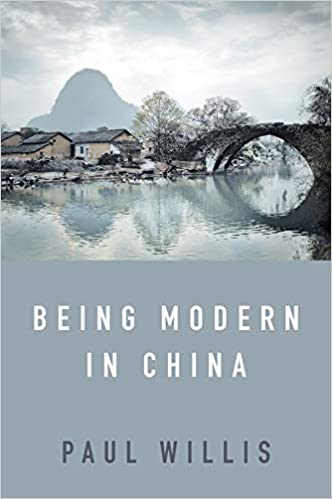
Introducing ‘Being Modern in China’ by Paul Willis

Paul Willis, author of the landmark ethnographic study, Learning to Labour: How Working Class Kids Get Working Class Jobs, has written a brand new book. This book is entitled Being Modern in China: A Western Cultural Analysis of Modernity, Tradition and Schooling in China Today. Michael Apple, perhaps channelling the thoughts of many readers, confessed his surprise upon finding this out: ‘Being Modern in China may come as a surprise to some people who are familiar with his work but are not aware that he was recently a professor at Beijing Normal University (BNU)… I too was surprised—but in a good way’ (Apple, 2020, p. 4). The interaction between schooling and social reality is the core of the analysis in this work, as it was for his previous study. The major difference is that, in this case, Willis’s focus is on contemporary China.

What is this book about?

The book is reflective of Professor Willis’s typical ethnographic style. The materials are either directly derived from, or embedded closely within, his personal experience of Chinese society. From 2014 to 2017, Willis was a Professor at a major university in Beijing. He drew on examples from his everyday lived experience of being a ‘lao wai’ (foreigner/outsider) in this Chinese mega-city to construct his book. The work is based primarily on his three field trips (to a migrant school, an NGO organization, and a remote rural village), his students’ retro-ethnographic writings that they produced as part of their course assignments, and his interpretation of relevant media content. While it is impossible to summarise all of the book’s insights in several sentences, it can be broadly understood, as Willis himself puts it, as an exploration of how ‘mesmerised modernity meets the Gaokao.’ In other words, the book considers China’s ‘quite special relationship with modernity,’ examining how this ‘future-obsessed society is simultaneously structured by and in continuous dialogue with the past, specifically in its forms and grammar, as well as in its ultra-high-stakes exam system and its culture stretching back millennia’ (Willis, 2020, pp. viii).

The book begins with the introduction of three main ‘arrows of modernity’, constituted by the ‘symbolic orders’ (as opposed to ‘material orders’) of human experience. Willis argues that these orders are characteristic of contemporary Chinese society. They include the intense veneration of the city and a corresponding hierarchy in which the city is valued more than the country; a ferocious yet moneyless sort of ‘spectral’ consumerism (e.g. consuming fancy items not by materially possessing them, but by mentally experiencing or imagining them); and the rise of an almost ‘supernaturally invested’ use of the Internet (Willis, 2020).

Subsequently, the book goes on to portray and explore the Chinese school system, with Gaokao and its associated ruthless exam system at its centre. It analyses this system in relation to the ‘arrows of modernity.’ In terms of the ‘city/country’ binary, Willis argues that success in the educational system is both materially and symbolically associated with access to the city. In this model, successful students (referred to as G-routers—G stands for Gaokao) move to the city first by attending university and then by building their livelihood through their new life in the city. These successful people may even end up bringing their families with them to the city (as one mother says to a child: ‘When you grow up, where do you want to take me?’ p. 79). Less successful students (referred to as non-G-routers) are reduced to finding an alternative, probably less dignified, path to the city (for example, by becoming migrant workers). In terms of consumerism, the G-routers who thrive in the rigorous school system develop a mentality of ‘delayed gratification’ which chains them to a dull, commodity-deprived present in exchange for the promise of a bright future. The non-G-routers, on the other hand, who have less hope of a bright future are more likely to ‘consume’ their resources fully in the present. They tend to be emersed in commercial styles, cultures and attitudes, even though, paradoxically, they will eventually be those who are most emblematic of ‘spectral’ consumerism due to their fateful lack of financial resources. As for the Internet, given the educational system’s emphasis on hard work, students are warned of the potential threat that the Internet might pose to their academic success. As a result, those who are at different ends of the school system also relate to the Internet differently. The non-G-routers use the Internet for ‘messing around’ and having fun in an immediate sense, whereas the G-routers restrict themselves to becoming ‘netizens,’ presenting their views as carrying weight in serious debates.

How is this book related to Willis’s previous work?

To compare Willis’s new book with his landmark previous study, it will first be necessary to summarize his earlier work. In Learning to Labour, Willis conducted an ethnographic investigation of the experiences of working-class students in UK context. He concluded that the subculture formed by students of working-class origins was partly responsible for them ‘choosing’ working-class jobs. Rather than resisting or challenging the unjust social order, young ‘lads’ who identify their families as ‘working class’ (rather than middle class), will tend to grow hostile towards the mainstream school system (which, after all, is geared towards the middle class). They will therefore identify even more actively with their working-class origins. This not only stops them from achieving upward social mobility through the equality supposedly provided by formal education but also encourages them to exhibit an apparent eagerness for working-class occupations—as if social reproduction is a result of individual’s willing choices.

In some ways, Being Modern in China can be seen as an extension of the basic logic of Learning to Labour. Just as the working-class ‘lads’ in 1970s Britain seem to ‘learn to labour’ willingly, the students in contemporary China (G-routers and non-G-routers alike) ‘learn’ to accept their own social status voluntarily in relation to the rapid modernisation of the wider nation by either passing or failing to pass the Gaokao. More broadly, as part of a neo-Marxist line of thinking, Being Modern in China further attests to how cultural elements retain a relative level of independence from other material and institutional factors, asserting their own power over the shaping of social destinies. In Apple’s words, this ‘constitutes a substantive contribution to the questioning of the orthodox view of economic determinism within the political economy of education’ (Apple, 2020, p. 1).

Another noteworthy and inherently interesting point is that, rather than limiting his theoretical focus (and even his emotional sympathies) to the non-conformists (as was the case in Learning to Labour), in Being Modern in China Willis observes the social world primarily through the lens of conformists. As an invited professor at a prestigious university in Beijing, Willis was, in his own words, “part and parcel” of China’s contemporary education system. More importantly, one of his most important sources of information was his daily interactions with university students, who would necessarily have been G-routers/conformists in high schools, given that they were taking his class. As a champion of social justice with a working-class background, Willis in Learning to Labour was drawn to the side of the non-conformists and the socially ‘oppressed’ almost naturally. He argued that their unique agency should be recognised. In this light, it is particularly interesting that, in Being Modern in China, he was instead emotionally invested in his own students (necessarily), who were primarily privileged conformists. This likely provided a special kind of ‘tension’.

Why should researchers in the field of educational mobility read this book?

For those who fall broadly into fields related to the sociology of education, this book explores the reproduction of the existing social order within and through people’s experiences of schooling. It also provides detailed examples of how this process is mediated by cultural practice, as well as how it intersects with the wider context of a rapidly changing, modern, and modernised society (a context that should not be seen as limited to contemporary China alone but typical of many social realities).

For those researchers who focus specifically on China, this book offers valuable insights into China’s education systems, the experiences of its students, and more. It also interrogates the Chinese character not through a top-down analysis of policies or propaganda but through people’s daily lives.

On a less formal and more personal note, for researchers who are of Chinese origin or are already very familiar with China, this book offers an opportunity to ‘turn the familiar into the strange.’ For those who are not familiar with the Chinese society, by contrast, it ‘turns the strange into the familiar.’ Finally, by blurring the boundary between academic and popular writing, Willis uses ‘poetic and forceful prose’ that ‘is a great pleasure to read’ (Xu, 2018, p. 162).

References and links

Apple, M. W. (2020). Test Scores, Identities, and Cultural Possibilities, Educational Policy. Online first. Advance online publication. 1-10. doi:10.1177/0895904820904948

Willis, P. (1977) Learning to Labour: How Working Class Kids Get Working Class Jobs. Farnborough: Saxon.

Willis, P. (2020) Being Modern in China: A Western Cultural Analysis of Modernity, Tradition and Schooling in China Today. Cambridge: Polity.

Xu, J. (2018) Being Modern in China by Paul Willis (review), China Review International 25(2): 161-165. Doi: 10.1353/cri.2018.0037

The (in)significance of race in Singapore’s immigration context: Accounts of self-differentiation by academically elite students

Research Highlighted:

Lu, L. (2020). The (In)significance of Race in Singapore’s Immigration Context: Accounts of Self-Differentiation by Academically Elite Students. Journal of Language, Identity & Education, 1-18. doi:10.1080/15348458.2020.1832494

Introduction
Dr Luke Lu, Nanyang Technological University, Singapore

In order to counter low birthrates, the Singapore government recruits top-performing students from China and Vietnam with scholarships to augment the local talent pool. Another criterion, is that most immigrants must be ethnically Chinese, so as to fit into the nation’s majority racial group. This study examines whether and how race (or other factors) might play a part in the formation of friendships and relations amongst a group of top-performing students in Singapore. Rather than assuming the importance of race from the outset, I looked at how various aspects of identity emerge from the ways they described their school experiences and peers in interviews and focus group discussions. What I found was that instead of race, informants referred to themselves and others in terms of Singaporean-ness. They used different labels of nationality and the varying amounts of time they have spent as immigrants in Singapore to mark themselves and others as different. Most importantly, ways of speaking that showed that they were from China were seen as barriers to integration with locals.

Method

The data I present in this paper are part of an ethnographic study I undertook in Singapore between March and December 2014. This paper focuses on two datasets. The first dataset consists of life history interviews that I conducted with 20 individuals. This was aimed at uncovering the educational pathways they undertook, as well as how they experienced life in each school they attended. The second dataset was collected while I was a participant-observer for six months in a particular peer group of 11 core members, of whom three were involved in the life history interviews. This peer group is made up of individuals who had graduated from St Thomas’ in 2011.

I focused on data when informants described their experiences in school, and talked about themselves in relation to others, for example, what and how labels of race or nationality were used in these descriptions. I then considered how the use of these labels and descriptors might be linked to wider attitudes and common stereotypes in Singapore society. The method of data analysis is based on the principles outlined by Bucholtz and Hall (2005) regarding identity, as well as Blommaert and Rampton’s (2011) approach toward investigating rather than assuming categories that individuals (dis)associate themselves from/with. In this paradigm, identity is seen to be an emergent product of linguistic practice, possibly encompassing macro-level demographic categories (e.g. race); it may be indexed through a speaker’s style, use of language forms and positioning, and is relationally constructed between self and other; it may be in part intentional, in part habitual (and less conscious), in part an outcome of negotiation and co-construction with interlocutors, in part linked to wider social structures and systems.

Key Findings

Findings suggest that labels of race were never used in their accounts. Instead, individuals tended to refer to themselves and others in terms and characterisations of Singaporean-ness.

Labels of nationality and the amount of time spent in Singapore are used to distinguish themselves and others. Negative stereotypes were most associated with immigrants from China, though informants from China also reproduced these same associations when referring to persons from China who have arrived more recently in Singapore. Crucially, practices that indicate that someone is from China are not valued and at times to be avoided, while local ways of behaving (such as using Singlish) are seen to be more important when interacting with locals. In Singapore’s context, these patterns of self-differentiation might be explained if they are seen in the light of wider discourses: (i) anti-immigrant sentiment; (ii) the status of English and Singlish in Singapore; and (iii) how styles of English are linked to notions of social class.

Implications

The state’s conceptualisation of race and ethnicity fails to recognise how overt ‘Chineseness’ is not valued in local contexts when academically elite immigrants interact with their Singaporean peers. While both groups might be identified by the state as ethnically Chinese, immigrant informants from China possess different linguistic and cultural practices from Singaporean Chinese. These different practices manifest as inequalities when transported across contexts (different spaces). My informants respond to the altered value of their original practices by adopting acceptable repertoires (English/Singlish) when interacting with locals and abandoning repertoires that index migrant status. The state’s apprehension of ethnicity – expecting that immigrants can fit in locally just because they fit official racial categories – does not consider how cultural practices are re-valued when transported to a different space. Singapore’s case offers a cautionary tale for how the transnational movement of highly-skilled and talented individuals, even when supposedly sharing similar ethnic characteristics with the local polity, is never seamless and straightforward.

Author Bio

Luke Lu is currently Lecturer at the Division of Linguistics and Multilingual Studies, Nanyang Technological University. He has completed a Linguistic Ethnography of academically elite students in Singapore, examining how they discursively positioned themselves to wider structures and discourses in local spaces. He is primarily interested in approaches to interactional sociolinguistics and ethnography, pertaining to issues such as transnational mobility, education, language rights, language planning and policy, and ethnicity. Luke can be contacted via lujiqun@ntu.edu.sg.

Chinese Soft-Power in the Arab world – China’s Confucius Institutes as a central tool of influence

Research Highlighted:

Yellinek, R., Mann, Y., & Lebel, U. (2020). Chinese Soft-Power in the Arab world – China’s Confucius Institutes as a central tool of influence. Comparative Strategy, 39(6), 517-534. doi:10.1080/01495933.2020.1826843

Dr Roie Yellinek, Begin-Sadat Center for Strategic Studies

Confucius Institutes are one of the major ways China invests Soft-Power in the world. Beginning in 2004 China has invested extensive resources and efforts in the establishment of culture and language centers known as “Confucius Institutes” – named after the 6th century b.c Chinese philosopher. These institutes, which operate within universities worldwide, are managed by the Hanban – the Office of Chinese Language Council International, which is a branch of the Chinese Ministry of Education. The official goal of the institutes, as appears on their websites, is to offer Chinese language courses and Chinese cultural activities, with the target audience being mainly students and university academic staff. However, the institutes serve a further purpose, being “an important part of China’s overseas propaganda setup,” as explained by a senior Chinese official. In view of this dual purpose, it is important to expose and analyze the characteristics of the insti- tutes and the local responses to their operation.

Much has been written on the relationship between China and the Arab world. However, most of the studies published on the subject were written from a Chinese perspective, rather than an Arab one. Studies on Confucius Institutes specifically, although the institutes have been operating for over fifteen years, have focused mainly on their presence in Western countries such as Australia and the UK or else focused exclusively on Chinese perspective and interests. The current study, however, aims to fill this gap by discussing the role of the Institutes – which are among the main aspects of Chinese Soft-Power – from an Arab perspective. A further contribution of this paper is its presentation of an initial index for examining the level of success of the penetration of a university institute funded by a foreign country, as shall be presented toward the end of this paper.

This article starts with a short discussion about Soft Power as a theoretical term in the field of international relations. Then, the article bases the argument that universities use, or can be used as leadership institutions. After the theoretical part, the article focuses on the link between this part and China. In order to present and emphasize the connection, the article quotes Zhou Enlai, first Premier of the People’s Republic of China since its establishment in 1949 until his death in 1976, said about this topic that “Culture is a tool in the hands of the political and economic system for promoting collaboration between China and the world.”

In addition, we can learn about the ways in which modern Chinese leaders perceived the need to use their country’s Soft-Power from the words of Current and former Chinese Presidents who have expressed the way they believe China needs to make use of its Soft-Power. Hu Jintao, President of China from 2003 to 2013, said during his keynote speech at the 17th congress of the Chinese Communist party held on 14 October 2007 that “We must expand the use of culture in our country’s Soft-Power… as it holds a growing importance in the overall competition between world countries.” In 2017 Chinese President Xi Jinping said that “We must increase China’s Soft-Power, give a good Chinese narrative, and extend China’s message to the world”.

An Initial index for examining the success of Confucius institutes offered by the article. The index assess the ways in which the Chinese institutes were accepted in Arabic speaking countries. The first measure of the index includes an examination of demand and supply, the second part assesses the extent of response by the local media and leadership, and the third measures the levels of identification among the institutes’ customers, mainly students, with the values that the institute promotes and represents. This index can also be applied to educational-cultural institutes in general.

In 2006 the first Confucius Institute in the Arab world was founded at Beirut’s Saint Joseph University. Since then and until the end of December 2019, fourteen further institutes were established in various Arab countries including Bahrain and Sudan, two in Egypt, the United Arab Emirates, Tunisia, Jordan, and three in Morocco. Institutes were also established in other countries in the region, two of them in Israel, four in Turkey and one in Iran. However, the present paper focuses on Arabic speaking countries due to the fact that these countries have common attributes that are not shared by the other countries in the region. Moreover, other Arabic speaking countries have conducted negotiations for the establishment of Confucius Institutes in their universities, but, as aforesaid, this paper discusses only those already established. In the following sections we review the work of Confucius Institutes operating in the Arab world, analyze their operations and the Arab response to their presence.

The article’s core discusses and analyses the ways Confucius Institutes function and what was the local response to it. This is done systematically with a division into states, which are arranged in the order in which the institutes are established in their territory. This review and analysis of the data point to the conclusion that Confucius Institutes, as a tool of Chinese Soft-Power, have effectively penetrated the Arab world and welcomed among its policy makers, university faculty and students, without significant criticism. Chinese diplomacy, headed by the current Chinese President, tends to claim that China’s operations in the global arena are focused on financial and commercial areas, and that they harbor no political or other aspiration in the global arena, such as replacing the USA in its role as “Global Policeman”. Thus, for instance, to reiterate this concept, Chinese President Xi Jinping often said that China under his leadership promotes a win-win situation in its international relations, by promoting a peaceful coexistence and building a world of cooperation in which both sides, China and the other country, benefit. The scope of the present study does not permit discussing this position further, and it is presented here only to illustrate the nature of Chinese diplomacy and the way in which the Chinese operate their Soft-Power pipes. Consequently, it is not surprising that Confucius Institutes direct their students to studying language and culture and promote these areas, rather than dealing with other topics which may be less acceptable for the Chinese administration backing the Institutes.

Author Bio

Roie Yellinek earned his Ph.D. from the department of Middle-Eastern Studies and the School of Communication at Bar-Ilan University in Ramat-Gan (Israel). In addition, he is a researcher at the Begin-Sadat Center for Strategic Studies, a non-resident scholar at the Middle East Institute and adjunct researcher at IDF Dado Center. He is a specialist in the growing relationship between the Middle East and China, especially in regards to the Soft-Power component of Chinese diplomacy. His research is based on fieldwork conducted in China, Israel and other countries. He has authored numerous articles that have been published by academic publishers, research institutions and newspapers in both Israeli and international media outlets. He can be contacted via Email: roie.yellinek@gmail.com  \ ryellinek@mei.edu.