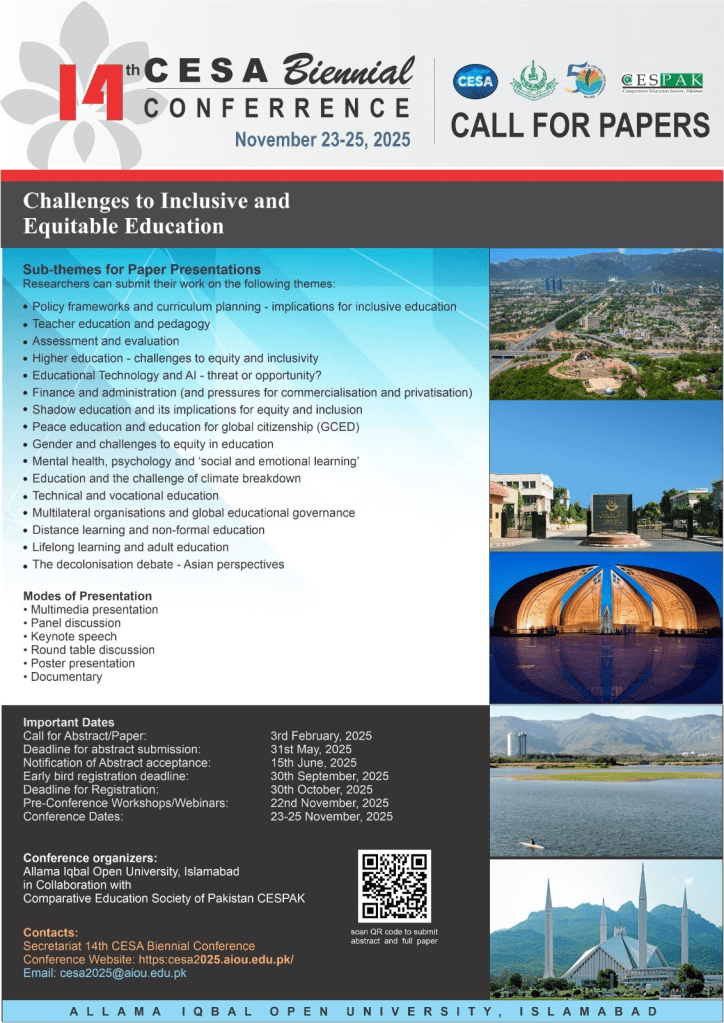
The Comparative Education Society of Asia (CESA), in collaboration with Allama Iqbal Open University and CESPAK, invites paper submissions for the 14th CESA Biennial Conference, to be held in Islamabad, Pakistan, from November 23–25, 2025.
Theme: Challenges to Inclusive and Equitable Education
Deadline for Abstract Submission: May 31, 2025
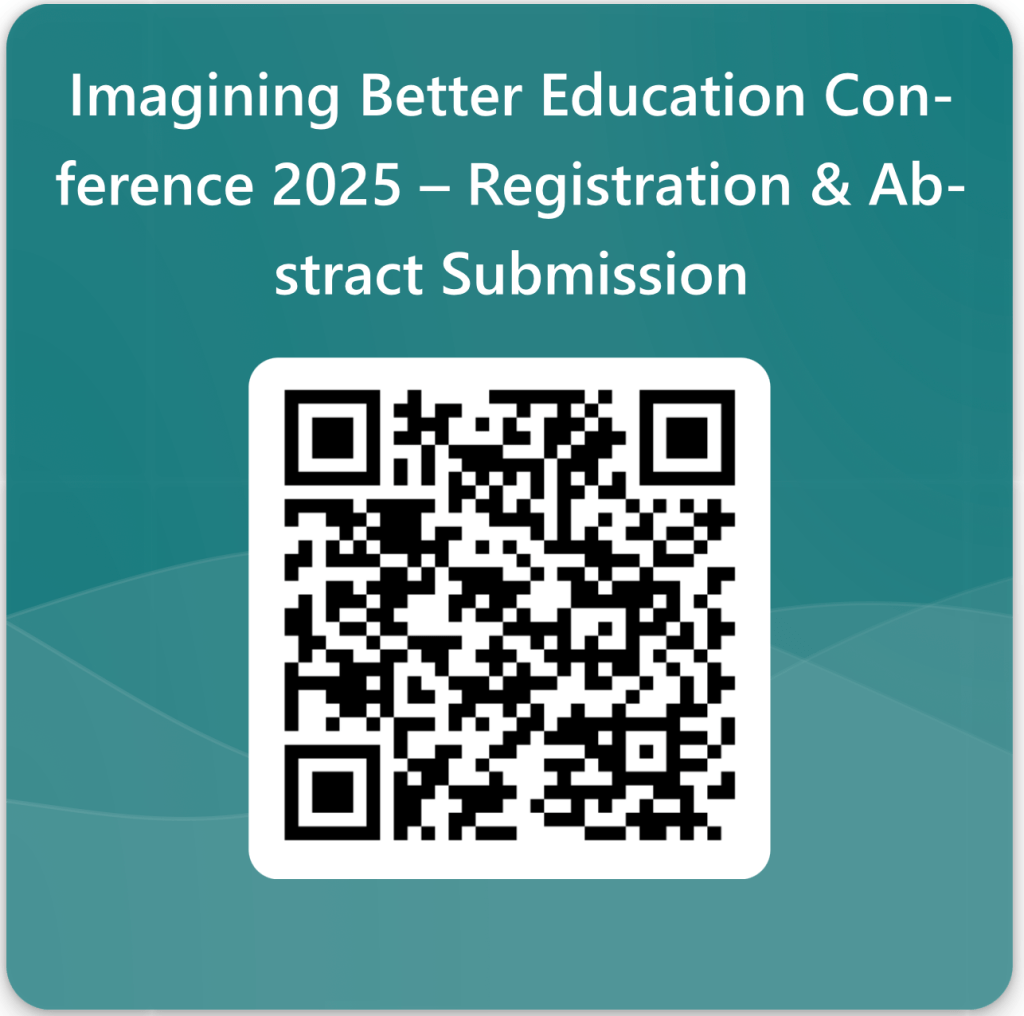
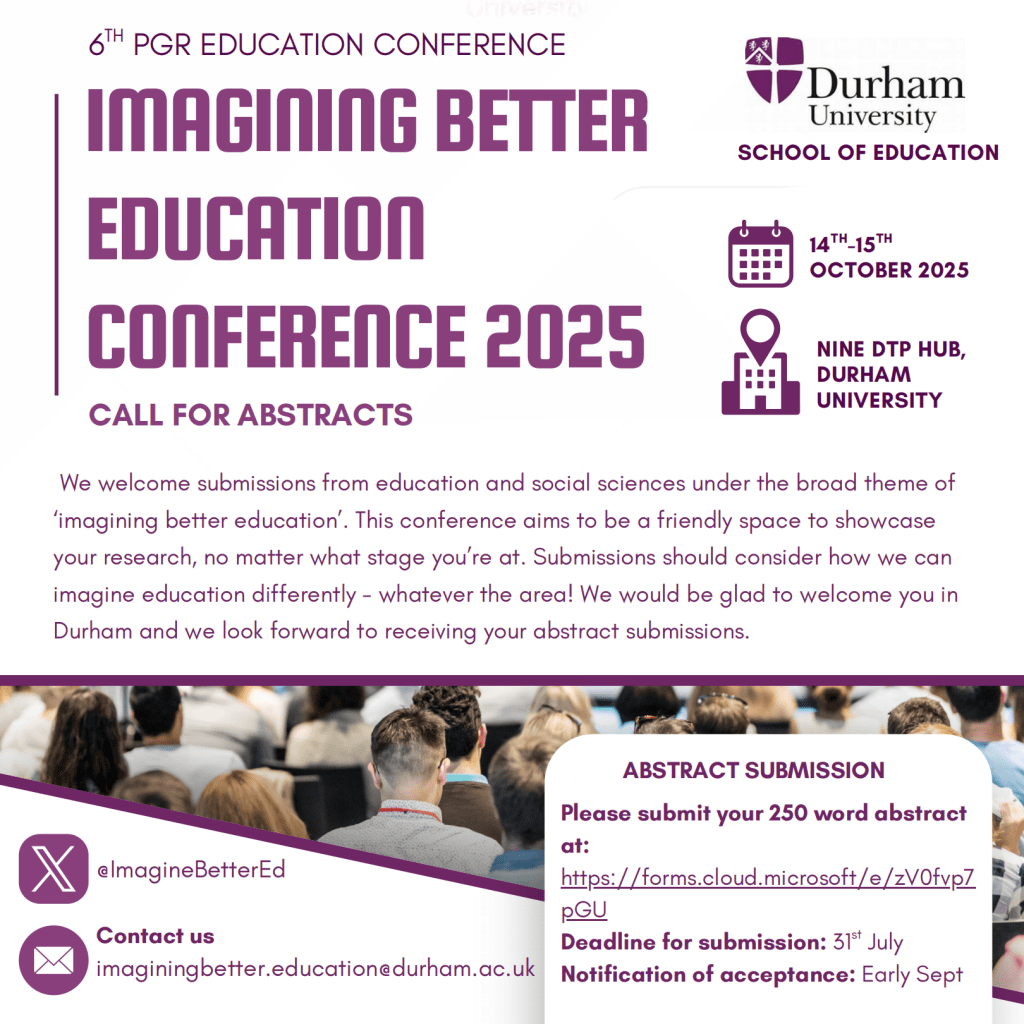
Please submit via QR code in the poster attached below.
Openings for Candidates from Hong Kong, Macao, Taiwan and Overseas
· Find Your Career
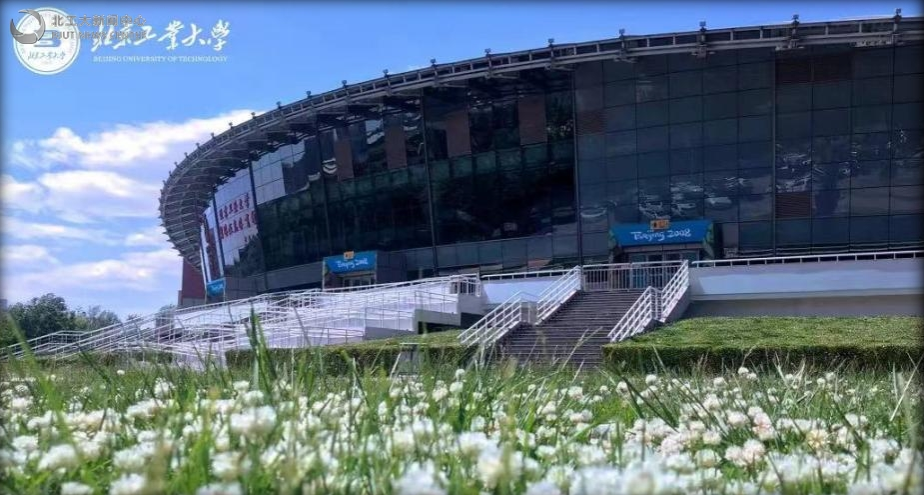
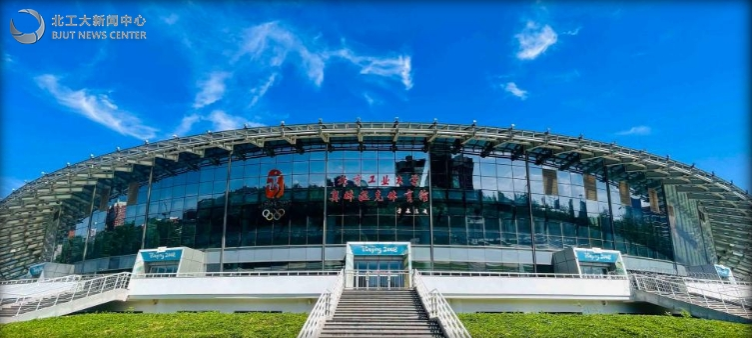
Working at the Beijing University of Technology, from the beautiful campus to remarkable research labs and cultural facilities, you find daily opportunities to live to your fullest. Whether you are already part of our community or just getting to know us for the first time, we invite you to join us and make a fundamental difference.
· About BJUT
In 1960, BJUT was established in the southeast industrial area of Beijing, bearing the mission of providing the capital with engineering talents to build new high-level, high-precision and advanced industrial system. Today, BJUT has developed into a high-level multi-disciplinary research university providing science, engineering, economics, management, literature, law, art and education programs, with engineering as a core focus. Included into the National “211 Project” in 1996, BJUT was listed as one of China’s 95 universities to build world-class disciplines in 2017.Currently, BJUT has over 3,200 faculty and staff, including over 110 international faculty members from more than thirty countries or regions who teach English, Japanese, major courses, conduct research, and supervise postgraduate students.
As a place of learning, discovery, expression and innovation, BJUT benefits from a diverse faculty and staff who create a welcoming environment and opportunities for all students to grow, learn and succeed.
· Aim at a Rewarding Career at BJUT?
We are ready to welcome you. At BJUT, you can produce a meaningful impact on students, faculty, researchers, other staff, the local community, and even the world. You also have the chance to realize your personal goals, build strong relationships, be recognized for your work, and enjoy the unique value only the BJUT employment experience can offer.
· At BJUT, You Can…
Keep Exploring
Explore the possibilities of a BJUT education as you map out your college journey.
Keep Learning
Seize extraordinary freedom of opportunity—to explore, communicate, and challenge yourself.
Keep Discovering
Discover the countless ways that creativity and diversity bloom on the BJUT campus.
· Ready for BJUT Faculty & Staff from Hong Kong, Macao, Taiwan and Overseas Recruitment 2025?
The recruitment for the fall semester of 2025 is now launched!
· Types of Application: New Employee Application
Hired applicants will start working at BJUT from the 2025 fall semester, a total of 17 positions.
· Posts & Requirements
1. Teaching Positions: they are required to deliver language courses for students.
2. Teaching & Research Positions:they are required to deliver courses for students, join the scientific research group of second-level institutions, jointly apply for and undertake scientific research projects with teachers of BJUT, and cultivate graduate students. The unit of the first author for scientific research achievements shall be the Beijing University of Technology during the contract period.
· Job Qualifications
The applicants should meet the following requirements:
1. Be under the age of 60 with a good health condition and no criminal record;
2. Shall abide by the relevant laws and regulations of the People’s Republic of China;
3. Be responsible and work a full-time job during the contract period.
For more information about posts & requirements, please find attached file—the Job Openings for Candidates from Hong Kong, Macao, Taiwan and Overseas 2025.
· Procedures
1. Application: the qualified applicants should apply to secondary-level institutions. The institutions shall assist the applicants with the preparation of documents.
2. Examination: all applications should be examined and ranked by secondary-level institutions, which should be approved by the leadership of secondary-level institutions and then submitted to International Office, Office of Hong Kong, Macao and Taiwan Affairs.
3.Assessment: all documents submitted by the secondary-level institution will be reviewed by the university-level meeting.
4.Announcement: the result of review will be announced on BJUT internal website.
5. Entry Procedures: Those who are approved and have signed the contract need to register in the Human Resource Office and then initiate the procedure officially. The secondary-level institutions shall assist the employees in completing the relevant procedure such as work visa application, accommodation, teaching arrangements and daily issues.
· Documents SubmissionFor new applicants, please submit Application Form for International Faculty Recruitment or Application Form for Hong Kong, Macao and Taiwan Faculty Recruitment and supporting documents as follows:
1) Curriculum vitae
2) Highest degree and diploma certificate
3) Personal information page of passport or Mainland Travel Permit
4) Working experience letter
· Deadline and Contact Information
1. Deadline: Please consult the secondary-level institutions, respectively, for the specific deadline since each of them will have their own employment arrangements. The deadline for secondary-level institutions submitting applications to International Office is 18th April 2025.
2. Submission: Please submit all documents to the secretary of international affairs of the secondary-level institutions as required.
3. Contact: please find attached file.
If you are the one who takes responsibility for your actions andchallenges yourselves in a new culture — We want you! If you are ready to share your passion for education — We want you! If you believe you can contribute to the betterment of BJUT and beyond— We want you!
Please make your application as soon as possible. For more details, please visit the campus website at https://english.bjut.edu.cn/.
Appendix:
Ⅰ. Job Openings for Candidates from Hong Kong, Macao, Taiwan and Overseas 2025
Ⅱ. Application Form for International Faculty Recruitment(for new applications)
Ⅲ. Application Form for Hong Kong, Macao and Taiwan Recruitment(for new applications)
Understanding the challenges and opportunities for internationally mobile academic staff seeking recognition of their teaching experience in UK higher education.
We are inviting you to take part in a research study. Before you decide, it is important that you know why we are doing the study and what is involved. Please read the following information carefully.
What is the purpose of the study?
The purpose of this study is to find out about the experiences of international academic staff who are teaching in UK higher education. Specifically, the study seeks to understand the challenges and opportunities for international staff who are seeking recognition of their teaching practice, for example, through Advance HE Fellowship schemes.
The outputs of the research will contribute to improving how universities recognise and develop the pedagogic practice of internationally mobile staff.
The study is being conducted at the University of Lincoln. It is open to academic staff at any other UK HE institution.
Am I eligible to take part?
You are eligible to take part in the study if you:
Consider yourself to be international staff or an academic of migrant background
Currently work in UK HE in a teaching or learning support role
Have tried to gain recognition of your teaching practice via the Advance HE Fellowship scheme in the past five years (D1, D2, D3 or D4, successfully or unsuccessfully, whether through an internal institutional scheme or direct to Advance HE) or via another route (e.g. Teaching Excellence Award, National Teaching Fellow, Collaborative Award for Teaching Excellence).
You will not be able to take part in the study if you:
Are employed by the University of Lincoln
Do I have to take part?
Participation is completely voluntary. You should only take part if you want to and choosing not to take part will not disadvantage you in anyway.
What will I be asked to do?
You will be asked to participate in a single interview of between 30 minutes to 1 hour in length. The interviewer will ask about your experiences of teaching/learning support in UK HE, and specifically your experience of gaining formal recognition of your teaching/learning support practice. As part of the interview, you will also be asked to share personal data, including your contact details, gender, age, nationality, job title and employer. Before taking part, you will be asked to complete a consent form.
Will I be paid expenses for taking part?
You will not be paid to participate in the study.
What are the possible benefits / risks of taking part?
It is hoped that this project will draw attention to the needs and priorities of international staff who teach in UK universities, to inform practice and policy in this area. All participants will be offered a written summary of the research at the end of the project. It is not anticipated that participating in the study will cause any harm or discomfort.
Will anyone know I have taken part?
The University of Lincoln (UoL) is the sponsor for this study based in the United Kingdom. We will be using information from you in order to undertake this study and will act as the data controller for this study. This means that we are responsible for looking after your information and using it properly.
The research team will keep your name and contact details confidential and secure. The research team will use this information as needed, to contact you about the research study, and make sure that relevant information about the study is recorded for your care, and to oversee the quality of the study.
Certain individuals from UoL may look at your research records to check the accuracy of the research study. The people who analyse the information will not be able to identify you and will not be able to find out your name or contact details.
The interview will be confidential unless you reveal that you or someone you know is at serious risk of harm. We will talk about it with you so that we can work out together how best to handle this.
You will not be identified in any report or publication arising from this research.
Where will my data be stored?
The data obtained from the study will be stored securely on the university OneDrive in password protected files. Only the researcher will have access to it. The data from this study may be put in an Open Access repository for other researchers to use in future research. If so, responses will be anonymised and any personal data (e.g. contact details) will be removed.
What will happen if I don’t want to carry on with the study?
You are free to withdraw at any point from this study, without having to give a reason, by contacting Dr Nicola Chanamuto: nchanamuto@lincoln.ac.uk.
If you choose to withdraw from this study, we will not retain the information you have given thus far, except when such data has already been included in aggregated analyses at the time of your withdrawal.
What will happen to the results of the research study?
The results of the research may be published, shared at external conferences and presented at internal meetings. If you wish, you will be sent a copy of any research outputs produced. You can confirm this at the time of your interview.
Who is organising and funding the research?
This research is being organised by Dr Nicola Chanamuto at the University of Lincoln.
Who has reviewed the study?
All research conducted by the University of Lincoln is looked at by an independent group of people, called a Research Ethics Committee, to protect your rights, dignity and wellbeing. This study has been reviewed and given favourable opinion by a University of Lincoln Research Ethics Committee [UoL2024_20252].
What if there is a problem?
It is very unlikely that this study would cause you any harm. If you have a concern or a complaint about any aspect of this study, you should ask to speak to the researcher who will do their best to answer your questions. Contact details are given at the end of this information sheet.
If you remain unhappy and wish to complain formally, you can make a formal complaint through the University complaints procedure or by contacting ethics@lincoln.ac.uk.
The University of Lincoln is the lead organisation for this study and will be the data controller for this study. This means that we are responsible for looking after your information and using it properly.
If you feel that we have let you down in relation to your information rights then please contact the Information Compliance Team by email on compliance@lincoln.ac.uk or by post at Information Compliance, Secretariat, University of Lincoln, Brayford Pool, Lincoln, LN6 7TS.
You can also make complaints directly to the Information Commissioner’s Office (ICO). The ICO is the independent authority upholding information rights for the UK. Their website is ico.org.uk and their telephone helpline number is 0303 123 1113.
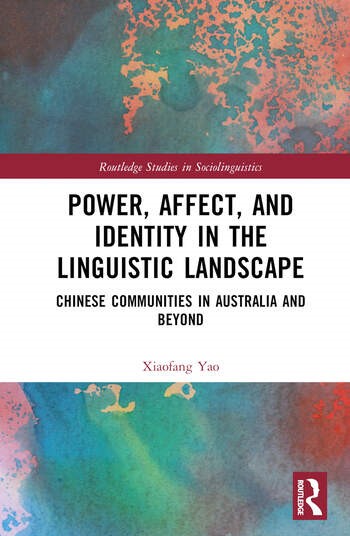
Research Highlighted: Yao, X. (2024). Power, Affect, and Identity in the Linguistic Landscape: Chinese Communities in Australia and Beyond (1st ed.). Routledge. https://doi.org/10.4324/9781003320593
Introduction:
Uncovering the complexity of linguistic diversity and semiotic creativity, this book examines the issues of power, affect, and identity in both physical and digital linguistic landscapes.
Based on fieldwork with various Chinese communities in Australia, the book offers unique insights into the uses of languages, semiotic resources, and material objects in public spaces, and discusses the motives and ideologies that underline these linguistic and semiotic practices. Each chapter frames the sociolinguistic issue emerging from the linguistic landscape under investigation and shows readers how the personal trajectories of individuals, the availability of semiotic resources, and the historicity of spaces collectively shape the meanings of publicly displayed language items in offline and online spaces. Supported by a wealth of interviews, media, and archival data, the book not only advances readers’ understanding of how linguistic landscape is structured by various historical, political, and sociocultural factors, but also enables them to reimagine the linguistic landscape through the lens of emerging digital methods.
Ideal Audience: This book is an ideal resource for researchers, advanced undergraduates, and graduate students of applied linguistics and sociolinguistics who are interested in the latest advances in linguistic landscape research within virtual and material contexts.
Chapter Highlights:
1. Situating Power, Affect, and Identity in the Linguistic Landscape: This introductory chapter sets the stage by explaining the concept of the linguistic landscape and the latest theoretical developments in the field. It focuses on three key sociolinguistic constructs—power, affect, and identity—and explores how a linguistic landscape approach, with its distinctive visual, spatial, and material lens, can offer new insights into these issues. The chapter also provides a brief overview of Chinese communities in Australia to establish the social, cultural, historical, and political contexts for the case studies presented in the book.
2. Theoretical perspectives on the linguistic landscape: Geosemiotics, sociolinguistics of globalisation, and metrolingualism: Linguistic landscape studies often draw on theoretical perspectives and methodological approaches from various disciplines. This chapter addresses the challenge of framing, scoping, and operationalizing a linguistic landscape study by redefining the field’s ever-expanding scope. It reviews seminal works by scholars such as Ron Scollon, Suzie Wong Scollon, Jan Blommaert, and Alastair Pennycook to provide a robust theoretical framework. This framework integrates geosemiotics, the sociolinguistics of globalization, and metrolingualism, emphasizing the importance of material objects and the materiality of language in constructing meaning. The chapter underscores the posthumanist approach in uncovering critical issues related to language, culture, and society.
3. Affect in the linguistic landscape: Conviviality and nostalgia in urban and rural ethnic restaurants: This chapter delves into the emerging field of visceral linguistic landscapes, which investigates the evocative potential of space and how linguistic landscapes can regulate human emotions. It presents a case study of two Chinese restaurants—one in a rural area and the other in an urban setting—to explore how material objects in these spaces evoke feelings of nostalgia and conviviality. By examining elements such as paintings, menus, emblems, and decorations, the chapter reveals how spaces are social and historical constructs that reflect the memories of Chinese migrants and their connections to an imagined community. It also shows how these spaces are agentive, shaping and curating affective experiences.
4. Power in the linguistic landscape: Tourism and commodification as revitalisation of cultural heritage: Power dynamics are a central theme in linguistic landscape research, often studied through the lenses of language policy and ideologies. This chapter goes further by exploring the agency of language, space, and material conditions in shaping, confronting, and resisting power. It examines the interactions between local authorities and the Chinese community in a diasporic context, focusing on the commodification of language and the revitalization of cultural heritage. Through narrated stories, semiotic artifacts, and cultural rituals, the chapter uncovers the tensions between ethnic identity pride and the commercial interests of ethnic tourism, highlighting the motivations and attitudes of stakeholders in the linguistic landscape.
5. Identity in the linguistic landscape: Metrolingualism at the online-offline nexus: The rise of social media has prompted linguistic landscape researchers to consider digital spaces alongside physical environments. This chapter adapts the theory of metrolingualism to analyse how the Chinese diaspora constructs identity on platforms like WeChat. It examines the linguistic and semiotic resources used for self-presentation and identity performances, revealing the ideologies and aspirations behind these practices. The study highlights how hybrid identities challenge traditional notions of ethnicity and showcase the fluidity of identity in the online-offline nexus, where social conventions from offline spaces influence online interactions.
6. Artificial Intelligence (AI) in the linguistic landscape: An agenda for critical digital literacy: Artificial intelligence is transforming the broader field of applied linguistics, including linguistic landscape research. This chapter explores the potential of AI tools, such as ChatGPT, in conducting linguistic landscape studies. It reviews current computational approaches and discusses the levels of critical digital literacy required for researchers in an AI-driven future. By experimenting with AI models, the chapter illustrates how AI can serve as both a tool and a collaborator, assisting with literature reviews and qualitative coding of photographic data. It emphasizes the need for linguistic landscape researchers to understand and critically engage with AI technologies to enhance their work.
7. Transcending boundaries in the linguistic landscape: Towards collaborative, participatory, and empowering research: This concluding chapter synthesizes insights to develop frameworks for understanding power, affect, and identity in the linguistic landscape. It emphasizes transcending boundaries between communities, spaces, and languages, challenging the notion of ethnic enclaves, and recognizing community fluidity. The chapter advocates for research with a stronger temporal and spatial focus, examining interactions between physical and digital linguistic landscapes. It calls for collaborative, participatory, and empowering research approaches to ensure community goals, values, and voices are incorporated, highlighting the importance of community engagement and the transformative potential of inclusive research methodologies.
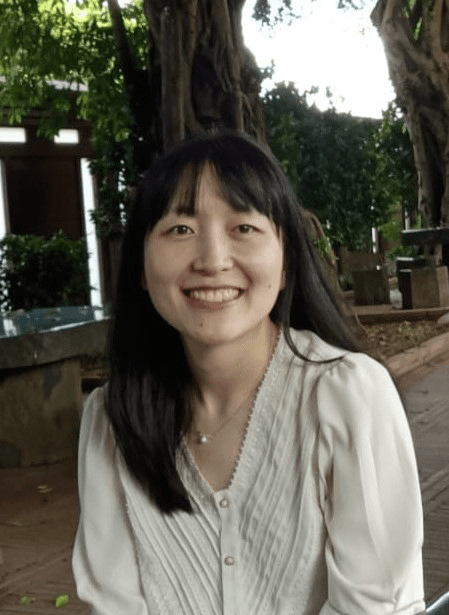
Xiaofang Yao is Assistant Professor in the School of Chinese, The University of Hong Kong. Her research areas include linguistic landscapes, multilingualism, social semiotics, and sociolinguistics. She is particularly interested in the intersection of language, culture, and space as they relate to the Chinese diaspora and ethnic minorities. Her current projects explore the representation of Chinese languages and semiotics in diasporic contexts, as well as the negotiation between standard language norms and creative or transgressive language practices among ethnic minority communities in Hong Kong and Southwest China.





 Network for Research into Chinese Education Mobilities (NRCEM)